


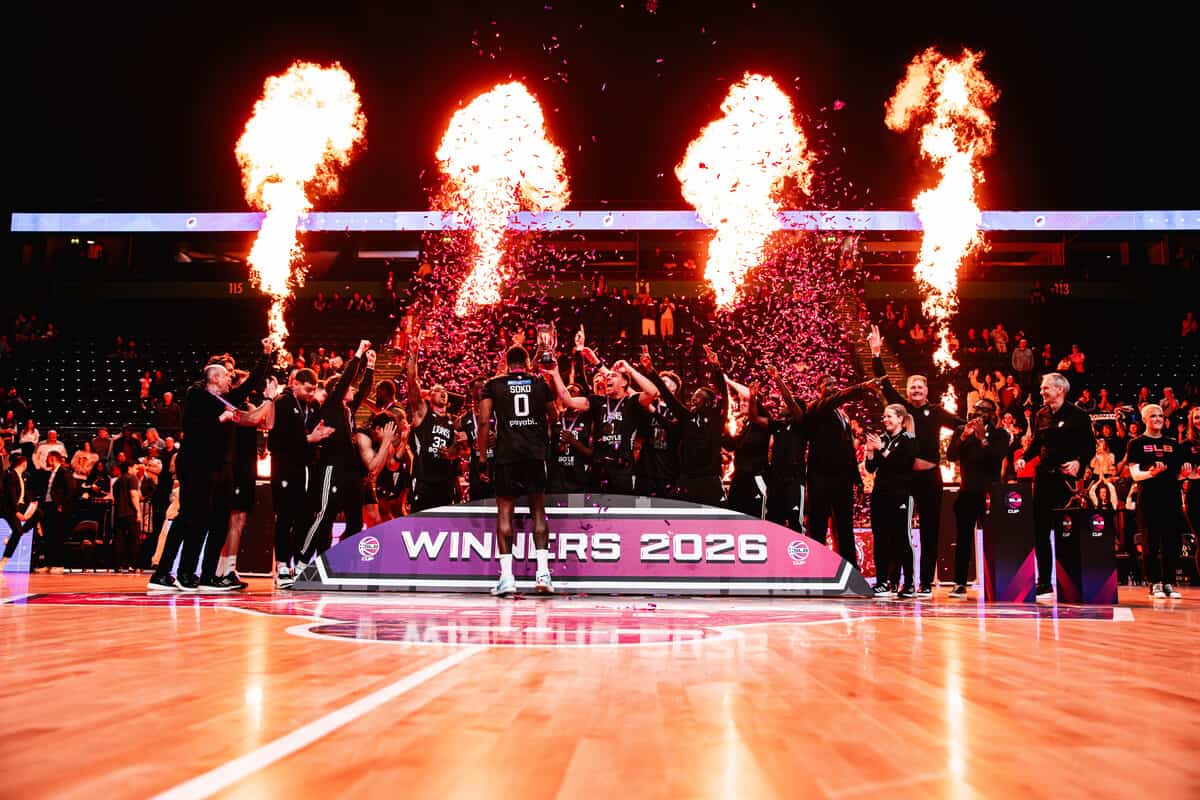
After a historic 2025/26 season, Lenz Balan, London Lions Club President, spoke exclusively to Insider Sport on the next growth phase of the basketball club and the growth of the sport in the UK, exploring how the NBA’s European league could play a role in driving fan engagement, and how he navigated a governance crisis that almost folded British basketball.
London Lions Club President, Lenz Balan, has his eyes firmly fixed on the team’s growth on both a regional and international level. But whether that growth is achieved with the EuroLeague or the new NBA Europe league, remains a question even for Balan.
Coming off the back of a historic quadruple-winning 2025/26 season – winning the Super League Basketball (SLB) Regular Season Championship, Trophy, Cup and Play-Off Championship – Balan and the Lions will be competing in Europe to compete for even more honours.
The Lions agreed a five-year license deal to compete in the 2026/27 BKT Cup, potentially facing off against European basketball royalty such as Real Madrid, Fenerbahçe and Olympiacos.
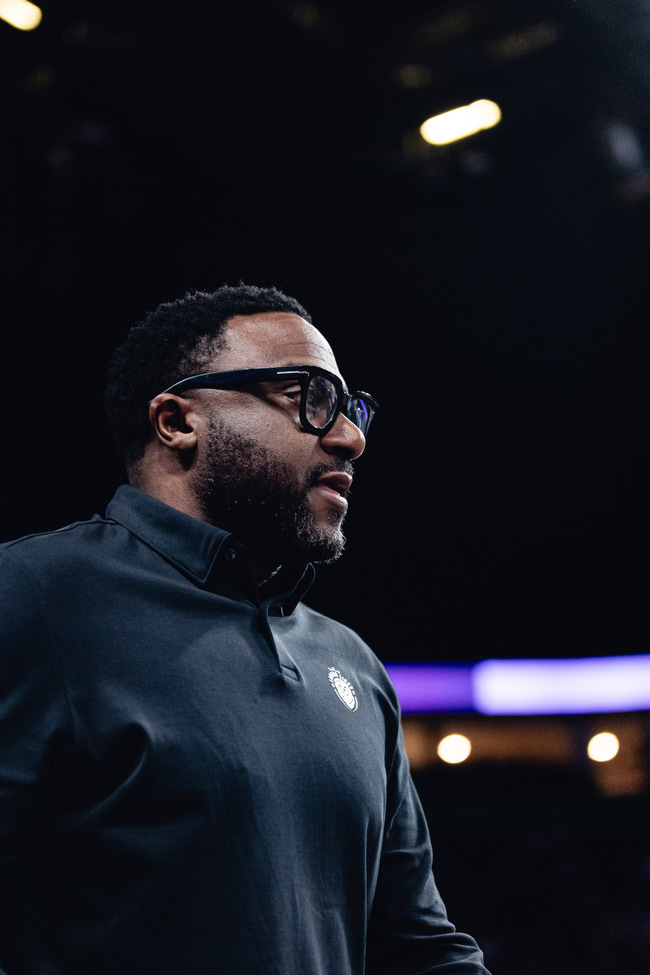
“We need to be having clubs across the UK, and certainly in London, playing at the very top levels of competition,” says Balan, speaking to Insider Sport before transitioning from CEO to Club President, which was confirmed on 14 July.
What level, or which league rather, the Lions will be competing in Europe for the next several years could be contingent on how successful the NBA’s league venture in the continent is.
Recent reports suggest that the Lions’ owners and investors are in talks to acquire an expansion franchise in order to compete in the EuroLeague’s proposed 24-team format, expected to launch for the 2027/28 season.
EuroLeague CEO, Chus Bueno, confirmed the Lions’ interest in building a London-based basketball franchise but cautioned this comes with risk. This is due to London and other UK basketball clubs averaging significantly less crowds than other European cities such as Belgrade and Athens.
However, London is one of the most populous cities in Europe. With a burgeoning basketball market that has just hosted NBA regular season games in January, the Lions’ decision on which league to compete in could define its global growth ambitions.
NBA Europe or EuroLeague?
NBA Europe has been earmarked for a launch date of October 2027, as the league has confirmed it has already received multiple offers to establish teams, including bids in the region of $1bn.
The NBA is pledging to invest up to $3bn for the first several years of NBA Europe, offering 12 permanent places as part of 16-team league to ensure sustainable revenues, according to a source close to the matter told Insider Sport in May 2026.
The NBA also brings brand recognition that will give exposure to high-end commercial deals to franchise owners that join the league, as well as committing to finding valuable media rights partnerships to elevate their visibility to new audiences.
Furthermore, in September 2025, the NBA and the UK government announced a $13.5m investment into supporting basketball facilities across the UK to support greater grassroots adoption.
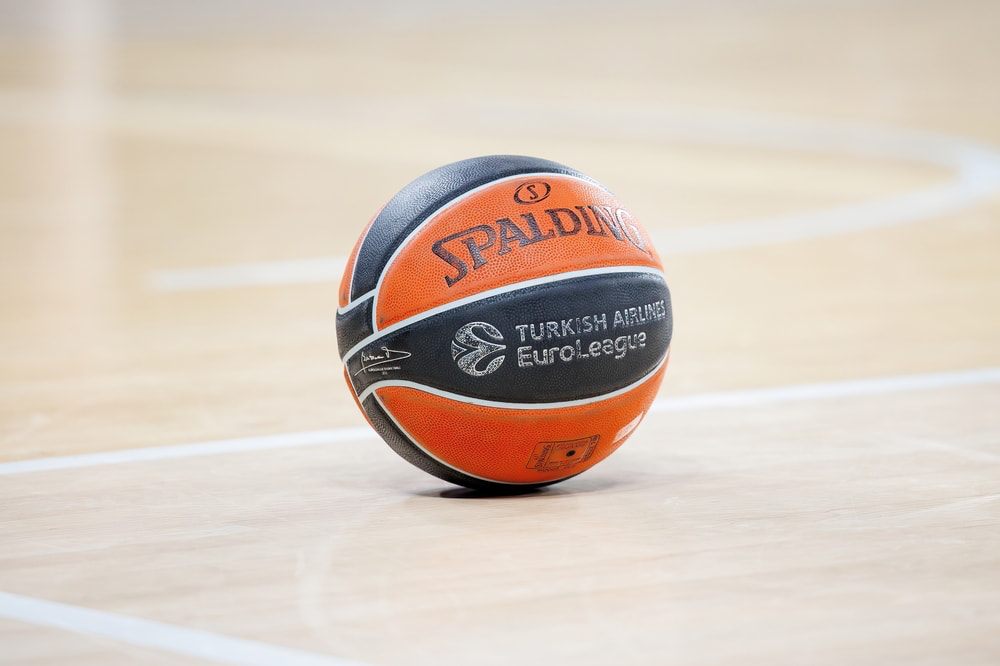
The EuroLeague has been Europe’s premiere basketball league for 67 years, having been founded in 1957. With that comes historic teams and an established competitive level, defined as Europe’s highest peak of basketball competition.
Amid the developments from NBA Europe, EuroLeague has embarked on a new commercial strategy designed to increase its value and the revenues of its teams. Whether that be through sponsorships with Experience Abu Dhabi and Etihad Airways, it has set a $2.5bn fundraising target which will be used to modernise the sport, alongside new media rights agreement that will award 65% of local rights deals to the team’s associated markets.
With that being said, Balan’s primary focus is for the Lions to become a “global basketball franchise”, irrespective of both NBA Europe and EuroLeague.
“The London Lions are absolutely committed to being a global basketball franchise,” says Balan.
“My overall opinion about NBA Europe, EuroLeague and FIBA’s interests in UK basketball is that this is exactly the catalyst that we needed. I think the amount of money that’s pouring into European basketball within the EuroLeague ecosystem, and now with the announcement of NBA Europe, is just really exciting.
“We are focused every single day on growing our fanbase, doing right by the community, building a global brand, and putting together the best product we can have on the court. We’re going to continue to focus on doing that and then see where all of it pans out with EuroLeague and NBA Europe.
“Our goal is to build a club that Chus Buenos can be proud of and to build a club that Adam Silver’s proud of. We think we’ve done our part here. We have a lot of work to do. But we’re really excited about the interests and the influx of capital into basketball in London.”
Overcoming the British Basketball Federation debacle
Balan speaking so openly about European and global aspirations would have been considered a pipe-dream just over 12 months ago.
That is because the British basketball landscape was thrown into disarray in January 2025 after the British Basketball Federation (BBF) had awarded the league licensing rights to EuroLeague advisor Marshall Glickman, all whilst the Lions were competing in the inaugural 2024/25 SBL season.
The British Basketball League (BBL) rebranded to Super League Basketball (SBL) in July 2024 after the BBL’s largest investors, 777 Partners, collapsed and were unable to continue to fund the league.
The founding SBL clubs, including the Lions, opposed the awarding of rights to Glickman’s consortium as they believed there were no consultations on the transferring of licence rights to Glickman’s Group.
Since then, SLB clubs refused to join Glickman’s new league and launched legal proceedings against the BBF over an unlawful tender process for the league’s rights. The BBF was sanctioned by FIBA – temporarily banning the Great Britain national team from international competition. The BBF ultimately liquidated in November 2025.
Many would have been glad to see the back of 2025, but Balan revealed that the governance of the sport in the country demonstrates how people view the potential growth of the sport, even if some of the people may not have genuine intentions.
“It certainly added complexity to the (2025) season, for sure,” says Balan. “I think, since I’ve been involved in UK basketball, there’s always been something that’s adding complexity. I think that’s a function of the fact that it really is a sleeping giant.
“I think there’s a lot of people who may or may not be well meaning, who want to help to drive that forward.”
In the midst of the debacle between the BBF, SBL and Glickman, FIBA established the Taskforce for British Basketball Club matters to mediate and investigate governance issues between the UK government and the sport’s stakeholders.
The task force’s primary objective is to build a new ecosystem for British basketball to thrive and bring order to the country’s top-flight league.
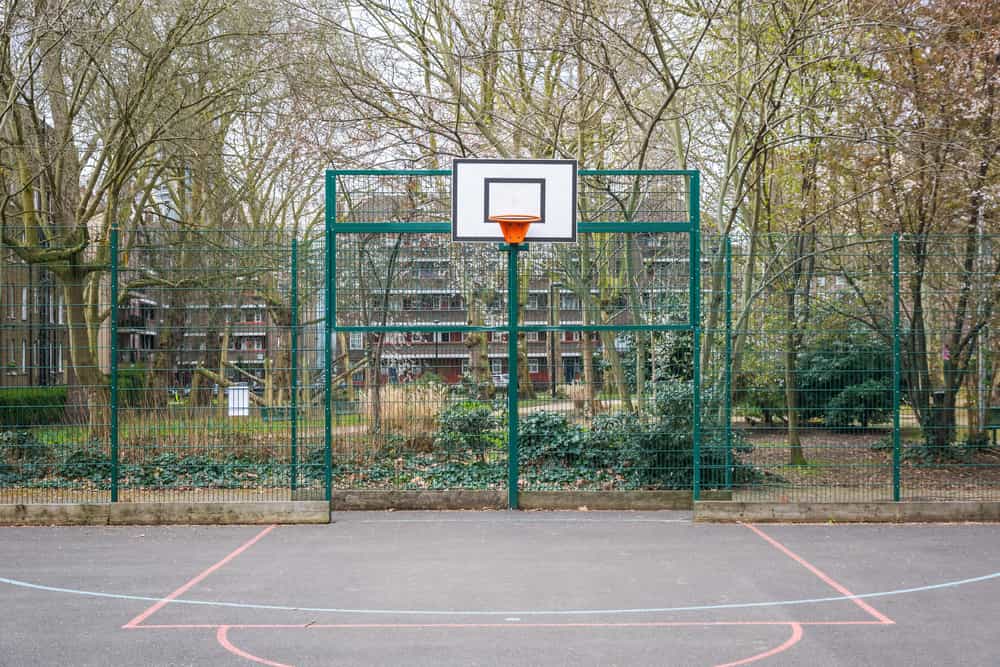
London Mayor Sadiq Khan has also launched his task force to improve grassroots basketball opportunities for the next generation of players. This involves improving infrastructure such as courts and improving player pathways to join clubs like the Lions, a task force which Balan is a part of.
“I’m on the London Mayor’s task force which is really focusing on how do we make London a very healthy space for basketball to grow and thrive,” explains Balan.
“Ultimately, my focus is how do we make the London Lions a world class, globally recognised basketball club, irrespective of what is happening at the governance level.”
Building the next generation of British basketball
With FIBA resolving the issue between the BBF and SLB to allow the league to continue and lifting the ban on the GB national team, the focus for British basketball stakeholders like Balan will no doubt be on how to continue to grow the game on both a domestic and global scale.
More opportunities and funding is on the horizon with the emergence of NBA Europe, but also the growing fandom for basketball in not just London, but the UK as a whole.
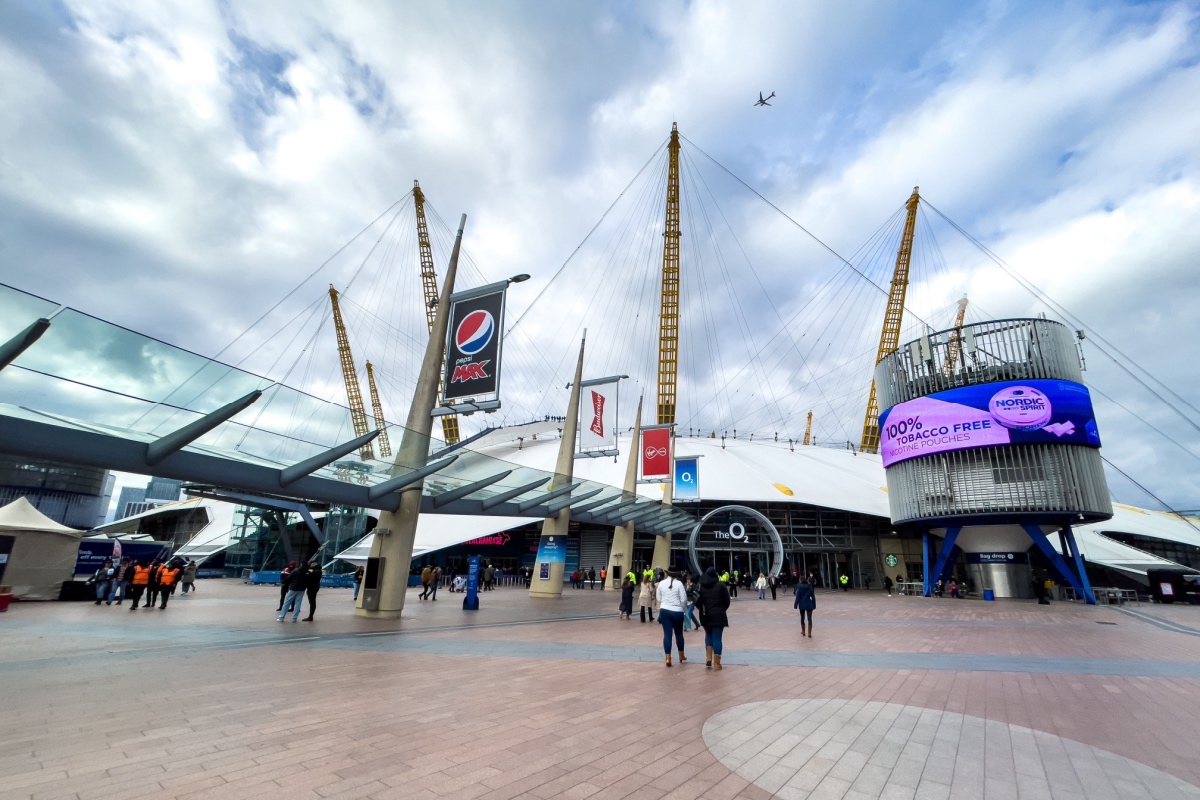
The NBA came to London’s O2 Arena in January where the Memphis Grizzlies competed against the Orlando Magic with more than 18,000 in attendance.
Viewership for the London regular season game became the most-watched NBA game to be held in the UK, increasing 90% from the previous game held in London in 2019. Overall UK viewership of the NBA on Amazon Prime Video has grown 444% year-over-year. That statistic tells a story in and of itself. Brits are becoming more glued to basketball and are starting to build genuine connections to the sport.
The country also has its own player success story as OG Anunoby won the championship this summer with the New York Knicks. Anunoby, born in North-West London, made one of the most crucial plays arguably in NBA Finals history, tipping in an offensive rebound at the end of game four to give the Knicks a 3-1 lead over the San Antonio Spurs.
Balan details the Lions’ elite player pathway, which emphasises youth development from grassroots levels, partnerships with established clubs like New City College in New York, and building an environment that makes high-potential players halt leaving the UK at young ages to further develop in their ecosystem.
“We are really excited to see the basketball community galvanise and recognise that (London) is a very, very important place for their athletes to get discovered, and it’s a very unique opportunity for players to get discovered at the next level and at the highest levels,” says Balan.
The Lions have also focused on bringing in experienced talent that have had reps playing in the NBA and EuroLeague to join the club, acting not just as locker room leaders, but as a place of trust in the British basketball sector.
The latest roster signing was Maxwell Lewis in June. He has played for Zalgiris Kaunas in the EuroLeague having also been drafted in the 2023 NBA Draft by the Los Angeles Lakers, playing with LeBron James while also playing for the Brooklyn Nets the season after.
“I think that’s something that’s really been missing within the British basketball ecosystem,” says Balan.