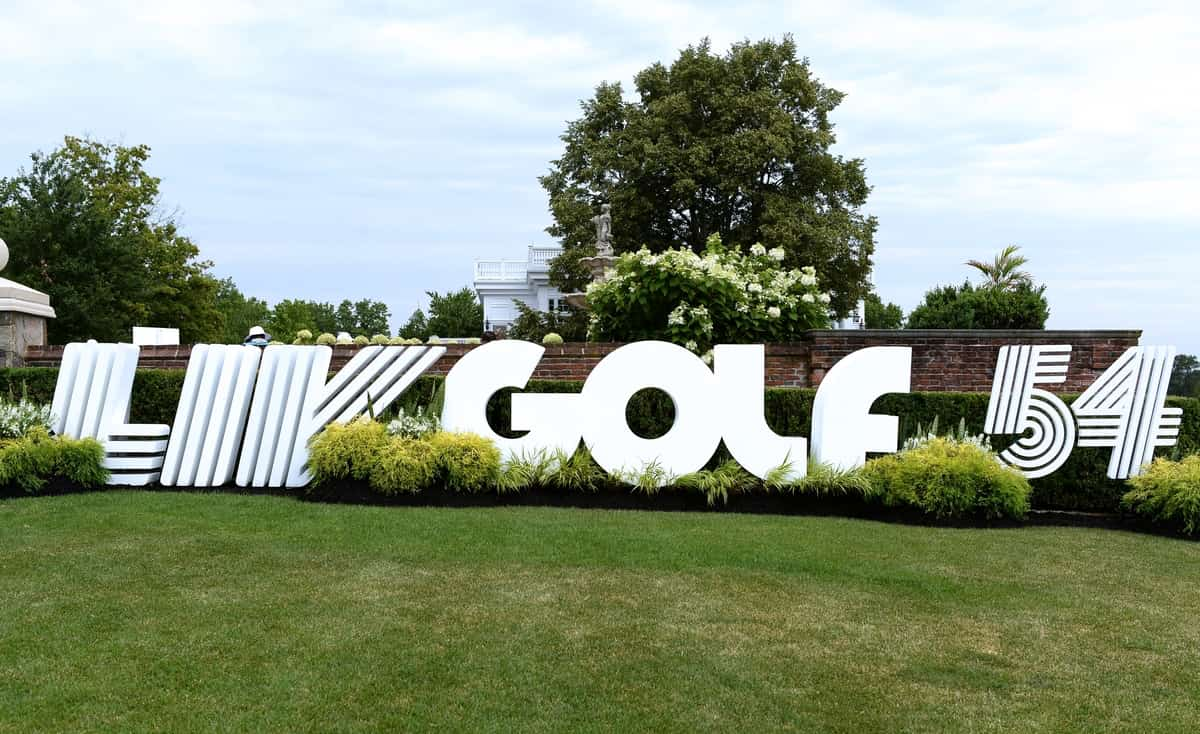



BC Partners’ $300m pledge has kept the league out of liquidation for now… but more than a dozen exits, a DP World Tour ban and no route back to the PGA Tour leave the restructured league with little left to sell.
Saudi Arabia’s Public Investment Fund (PIF) put more than $5bn into LIV Golf over four years. BC Partners Credit, its new lead investor, has so far made an initial committed investment of $4m.
The PIF said in April the long-term investment LIV required was “no longer consistent” with its strategy, before the league cancelled events in New Orleans and Michigan, ended its season in August, laid off most of its staff and filed for Chapter 11 bankruptcy protection in New Jersey on 8 September, owing players at least $45.5m.
BC Partners has pledged up to $300m for what the league calls LIV 2.0: at least 10 events, prize money at half its previous level, and a structure that hands players 52.5% of the reorganised company.
The case for LIV 2.0
Bryson DeChambeau is the strongest argument the league survives. The two-time major winner said on the Figuring Out podcast last week LIV 2.0 is “going to be done right”.
He said players demanded upfront payments under the PIF because they had no say in how the league was run, claiming the new model trades guaranteed pay for control.
LIV appointed former TaylorMade CEO Mark King as a senior adviser in October. Between 15 and 20 unnamed players are reportedly tentatively committed, and the bankruptcy court has approved an amended agreement which drops a fixed player threshold, leaving BC Partners to decide what counts as a “critical mass”.

The players have answered
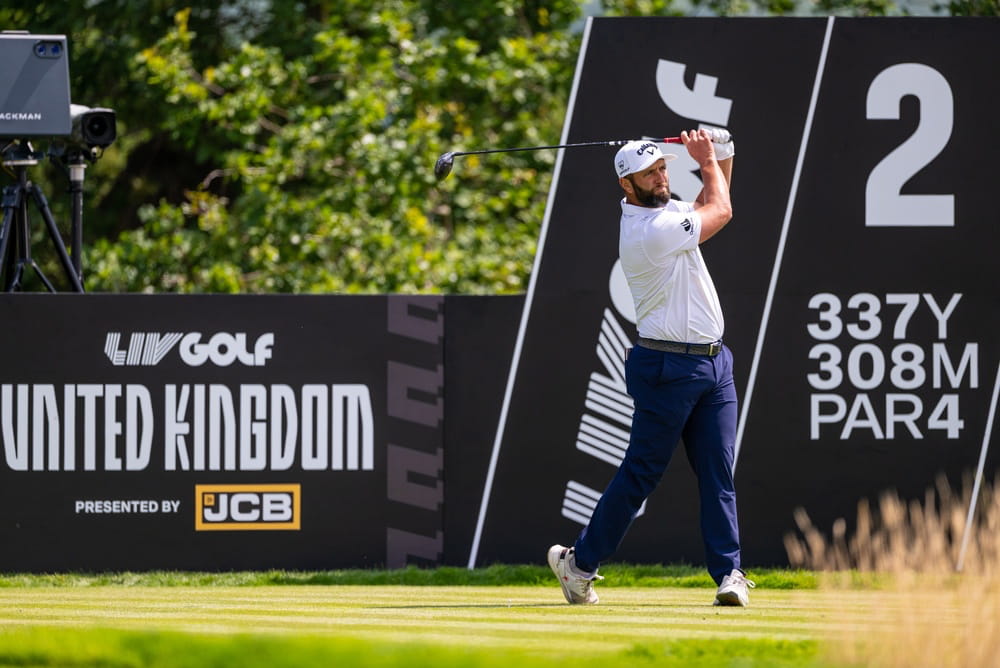
Notwithstanding DeChambeau’s claims players are afforded greater flexibility and control as part of LIV 2.0,, many of the players who gave LIV its profile are leaving. Jon Rahm, LIV’s individual champion in each of the last three seasons, told a court through his lawyer LIV 2.0 terms were “unacceptable”.
He has since signed a separation agreement surrendering his claims against the league – including a reported $100m-plus left on his deal – in return for his image rights. The agreement goes before a bankruptcy judge later this week on 5 November.
More than a dozen players have also left: Sergio Garcia, Tyrrell Hatton, Louis Oosthuizen, Ian Poulter, Graeme McDowell, Tom McKibbin, Adrian Meronk, David Puig, Abraham Ancer, Branden Grace, Lucas Herbert, Thomas Pieters and Charles Howell III. Cameron Smith has asked to be released.
Five players have publicly committed to LIV 2.0, none of them a major champion: Ben Campbell, Brendan Steele, Cameron Tringale, Victor Perez and 53-year-old Richard Bland.
And despite being its most vocal backer, DeChambeau, according to ESPN, is planning a DP World Tour start at the Nedbank Golf Challenge in December.
Why it is probably over
Whether DeChambeau is allowed to play is another matter. DP World Tour has been resolute in saying it will deny membership to any player who joins LIV 2.0 in 2027, ending the conditional releases which let LIV players compete on both tours in previous seasons.
CEO Guy Kinnings has said “players need to make a choice”, and anyone joining LIV 2.0 will be denied membership next year, ending their Ryder Cup eligibility.
It doesn’t look likely the PGA Tour will offer an alternative, after CEO Brian Rolapp said it has no plan to reopen its Returning Member Program.
A player who signs for LIV 2.0 therefore gives up Europe and the Ryder Cup in exchange for half the prize money and equity in a business that, according to its bankruptcy filings, continually ran at an operating loss.
The equity is only worth what LIV can earn, and broadcasting rights accounted for 5% of its 2025 revenue, the same share as merchandise, as reported by ESPN.
Whether players get to make a trade at all depends on the PIF. As LIV’s main creditor, it set 30 October as its deadline to decide whether to let the restructuring continue or move towards liquidation. No outcome had been announced yet as of 2 November.
LIV was built on Saudi money and the star players that money bought. The money left in April and the stars have left since.
A 10-event league tentatively fronted by DeChambeau and filled with players the established tours have shut out is a smaller proposition than the one the PIF spent $5bn failing to make profitable.
So while LIV may still stage a 2027 season – on the evidence of the past six months – it would be a smaller product with no clear route to the profit its predecessor never found.
The LIV which launched at Centurion in 2022 is, in practice, over.