


The ITIA provisionally suspended the former Wimbledon finalist from August 4 after a June sample tested positive for cocaine. He has not appealed
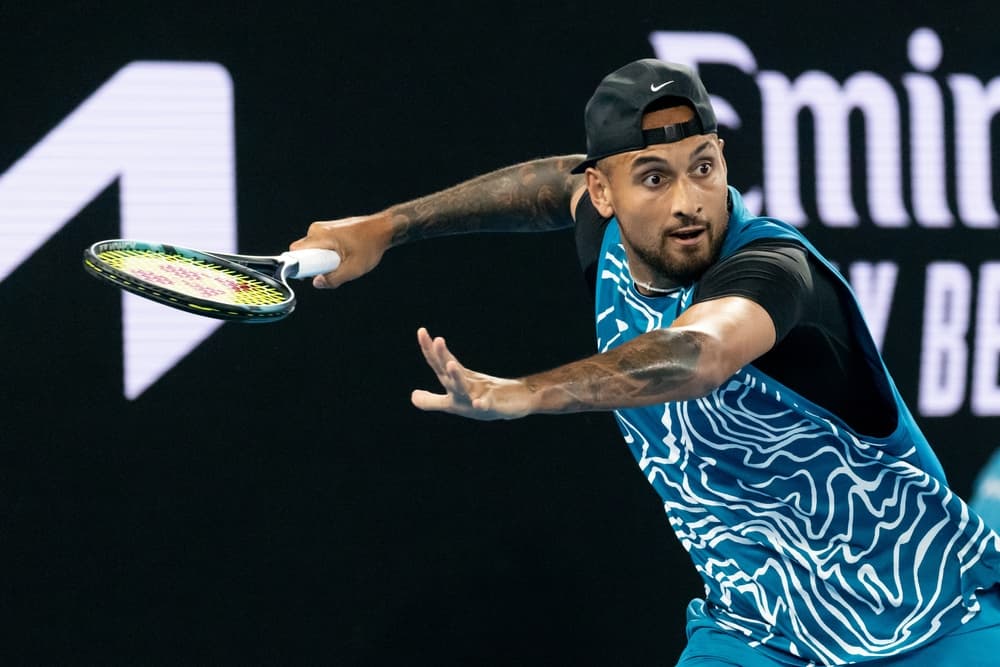
Nick Kyrgios has been provisionally suspended from tennis after testing positive for cocaine, the International Tennis Integrity Agency (ITIA) said on 19 August 2026.
The 31-year-old Australian gave the sample on 22 June during the Mallorca Championships, an ATP 250 grass-court event in Santa Ponça played as a Wimbledon warm-up.
A World Anti-Doping Agency-accredited laboratory confirmed on 17 July that the sample contained benzoylecgonine, a metabolite the body produces when it breaks down cocaine, the ITIA said.
A provisional suspension is mandatory for a positive cocaine test and has run since 4 August. Kyrgios is barred from playing, coaching or attending any event organised by the ATP, WTA, the Grand Slams or a national association. He can appeal and has not done so, the ITIA said. The agency said support was available to him.
Kyrgios: sanctions could range from one month to four years
Cocaine is listed as a stimulant and a substance of abuse on the WADA Prohibited List and is banned in competition under the Tennis Anti-Doping Programme, the ITIA said.
The substance-of-abuse category covers drugs used recreationally rather than to gain an on-court advantage, and each is banned only in competition. Used away from competition, cocaine is not treated as a doping offence.
The ITIA said the possible penalty ranges from three months to four years and that Kyrgios’s case has not been decided.
The World Anti-Doping Code sets a three-month ban for out-of-competition use of a substance of abuse, cut to one month if the player completes an approved treatment programme. The case turns on when Kyrgios used the drug, which the ITIA has not addressed publicly. The agency has not disclosed the amount detected.
Dan Evans received a 12-month suspension in 2017 after testing positive for cocaine at the Barcelona Open. WADA rules have changed since, lowering the standard sanction for recreational substances used away from competition.
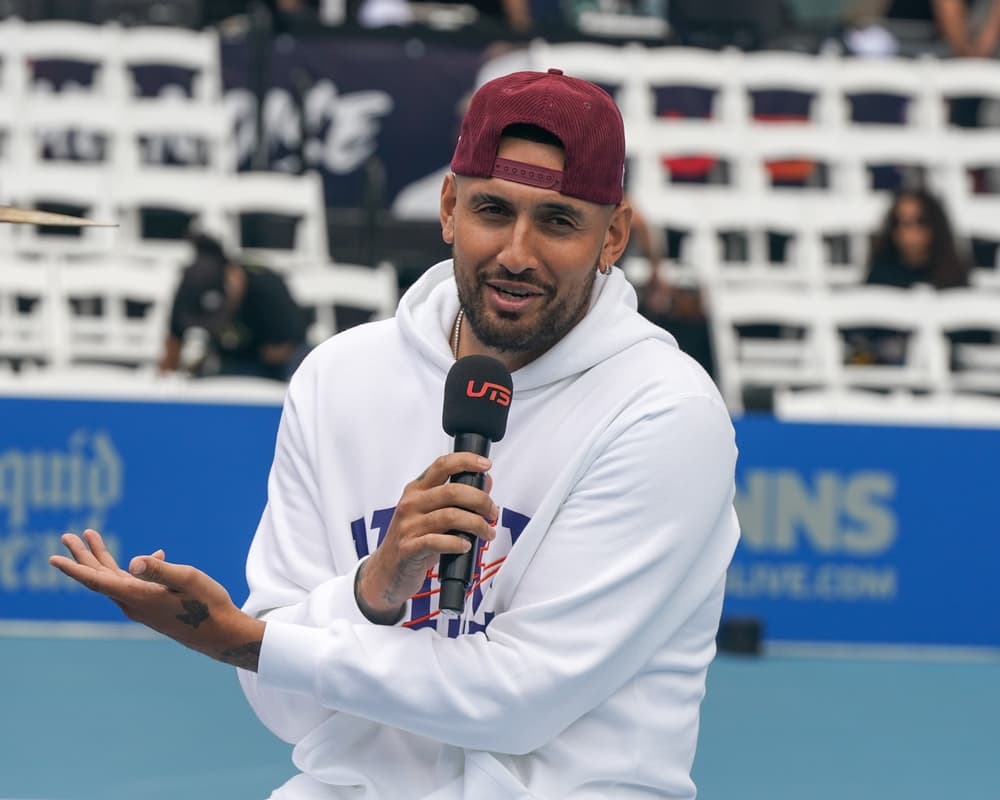
Kyrgios takes ‘full responsibility’
Kyrgios addressed the case on Instagram hours after the ITIA statement. “I made a huge mistake and I take full responsibility for it,” he wrote.
He apologised to his family, fans and sponsors, and said he was sorry to children who follow him. He said he was disappointed in himself and aware of the example he set.
Kyrgios cited the toll of recent injuries. He said the past two years had affected him physically and mentally, and that accepting the end of his career had been harder than he expected.
He said he would step away from social media and public life for 28 days, requested privacy for his family, and said he would use the break to recover and return in better shape.
Case follows his criticism of other players
Kyrgios spent the previous two years criticising the sport’s handling of other doping cases. Sinner tested positive for the anabolic steroid clostebol in 2024; the ITIA initially found no fault, and Kyrgios said the world No. 1 should be removed from the tour.
He called the Sinner and Iga Swiatek cases “disgusting for our sport” at the Brisbane International. Swiatek accepted a one-month suspension in 2024 after a positive test for trimetazidine that the ITIA attributed to contaminated medication.
Kyrgios has previously said recreational drugs should be permitted in tennis, on the Nothing Major podcast.
Kyrgios has not competed regularly for three years. He reached a career high of No. 13 in October 2016 and the Wimbledon final in 2022, where he lost to Novak Djokovic. Wrist and knee surgery followed.
He owns seven career singles titles and is ranked No. 919. He entered the Mallorca Championships on a wild card and lost in the first round to fellow Australian Adam Walton in straight sets.