


Resale fees on FIFA’s own platform and dynamic pricing drove the total, while supporter groups said fans were priced out of the 48-team tournament.
Sales of tickets and hospitality packages for the 2026 World Cup have generated approximately $5bn for FIFA, according to sources who spoke to The Times. This figure exceeds the $3.3bn FIFA had budgeted for this revenue stream. It accounts for one-third of the $15bn the tournament has generated in total.
FIFA has declined to confirm the figure, stating the World Cup’s financial results will be published in its next annual report, once the auditing process is complete.
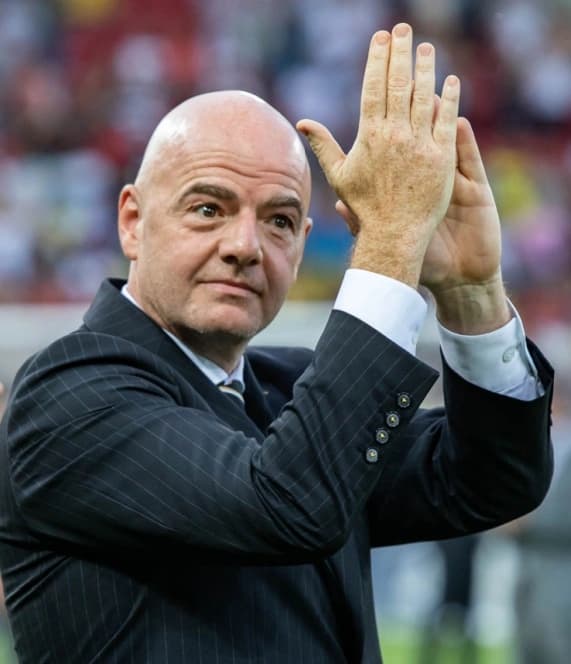
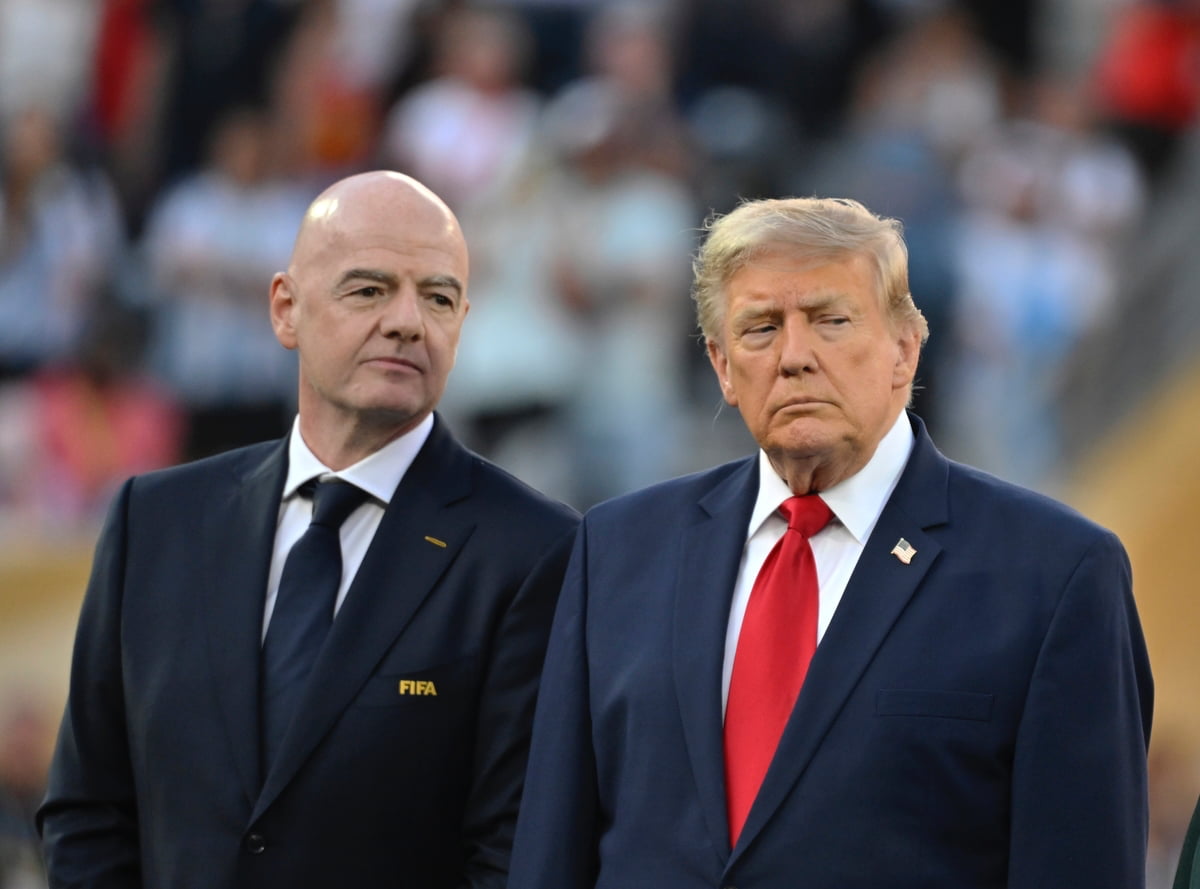
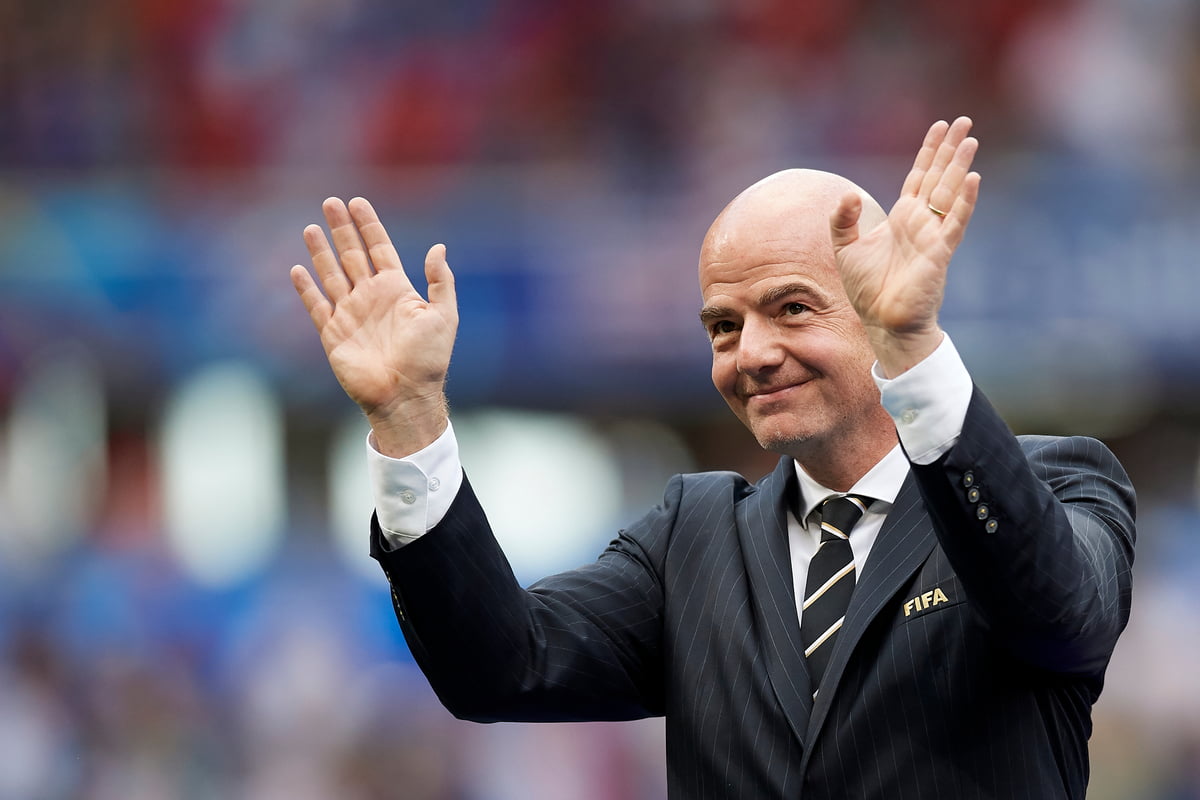
The Guardian reported in July that FIFA had initially projected $11bn in total revenue from the World Cup, and, according to the newspaper, FIFA President Gianni Infantino informed member associations of the higher total on the eve of the final.
FIFA’s resales and dynamic pricing
FIFA’s 2022 financial statements show that the World Cup in Qatar generated $929m from tickets and hospitality, $685.9m from ticket sales and $242.9m from hospitality rights. The total reported for 2026 is more than five times that amount.
The 2026 tournament was expanded to include 48 participating nations and 104 matches, up from the previous 64. The Times attributes this increase largely to pricing policy, rather than the higher number of matches.
FIFA adjusted ticket prices throughout the various sales phases based on demand, operating its own resale platform and retaining 30% from every transaction.
US law permits the resale of sports tickets, and without its own platform, FIFA reportedly would have forfeited this additional revenue to third-party resellers, brokers, and external resale websites.
Funding for member associations
FIFA indicated revenue from the World Cup will contribute to higher payouts for its 211 member national associations. “The revenue from the tournament provides member associations with unprecedented resources to invest in the sport,” the global football governing body stated.
The FIFA Council met in Zurich on October 15 and received a proposal for a ‘Surplus Solidarity Programme’. This plan draws on FIFA’s reserves to increase development funding for the 2027–2030 period to $6.35bn – more than double the previous level – with each association eligible to receive up to $25m.
The Council will review the detailed regulations in December, and the FIFA Congress is set to vote on the package in March 2027. During the same meeting, Infantino apologised for errors in the FIFA Forward Enterprise proposal, which could have brought external investors into FIFA’s competitions; this proposal has since been withdrawn.
According to FIFA, the details of the project remain confidential due to ongoing legal proceedings in the United States.