

Search
Choose a style
Dark
Light
Features

BREAKING
Features
Time to read: min
Sideline Moves - Arsenal to cut 60 jobs amid new Arteta deal
October 16, 2026

BREAKING
Features
Time to read: min
New Paramount-Warner Bros deal creates $55bn sports conglomerate
October 7, 2026
BREAKING
Basketball
Time to read: min
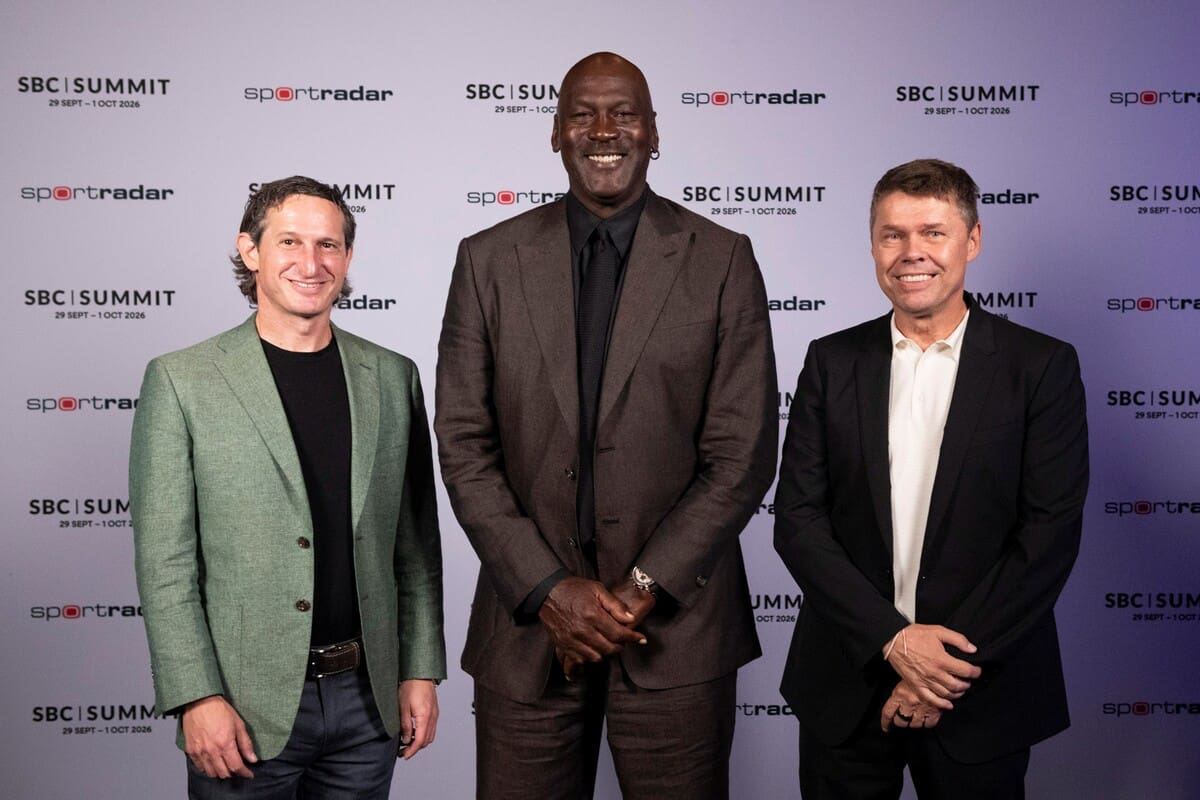
SBC Summit: Michael Jordan on sport branding, NASCAR, and more
September 29, 2026

BREAKING
Features
Time to read: min
Manchester City found guilty of almost 115 Premier League financial breaches
September 25, 2026
BREAKING
Football
Time to read: min
Manchester City’s ‘irrefutable evidence’ to be revealed in appeal
October 19, 2026
BREAKING
Football
Time to read: min
Will Manchester City prove its deals were not ‘sham contracts’ on appeal?
October 1, 2026

03:35
BREAKING
Football
Time to read: min
Manchester City found guilty over £900m 'sham' deals
September 30, 2026

BREAKING
Financial Results
Time to read: min
Manchester City found guilty: the timeline from leaked verdict to a final sanctions ruling
September 28, 2026
BREAKING
Football
Time to read: min
Etihad reveals it was not approached during Manchester City-Premier League case
October 1, 2026
BREAKING
Features
Time to read: min
Manchester City found guilty of almost 115 Premier League financial breaches
September 25, 2026

BREAKING
Football
Time to read: min
Premier League’s Sorare crypto partnership under criminal question
September 1, 2026
BREAKING
Europe
Time to read: min
Should Premier League clubs have long-term doubts over transfer spend?
September 25, 2026
David Winnie’s views on Manchester City 114 and the ramifications
You’ve shared it!
The reports of Manchester City being found guilty of 114 out of 115 charges of the Premier League’s financial regulations have rocked English football in the last several days.
Following the independent commission’s reported guilty verdict, questions have naturally surfaced around what sanctions Manchester City will be hit with. But a sporting legal professional is keen to emphasise what the findings were and the ramifications this could have on the future of English football financial regulations.
David Winnie is a former Scottish football player, having played for St Mirren, Aberdeen and a season-long loan at Middlesbrough – playing once – during his 17-year playing career.
Winnie pursued a legal career in 2009 and has worked as a Partner and Head of Sport at Gilson Gray since 2024. He was also part of a three-person panel which removed Southampton from the 2026 EFL Championship Play-Off Final due to ‘Spygate’.
Winnie lends his sporting legal expertise to Insider Sport on why it is key to understand what the independent commission found Manchester City guilty of and the written reasons, and what he believes will follow next.
The Manchester City case represents one of the most significant developments in the history of football regulation.
An independent Premier League Commission has found Manchester City guilty of 114 of the 115 charges brought against the club, following a case which has taken years to investigate and determine.
The allegations covered a number of areas, including financial reporting, player and manager remuneration, Profitability and Sustainability Rules, UEFA requirements and alleged failures to cooperate with the Premier League’s investigation.
From a sports-law perspective, however, today is not the end of the case.
Liability and Sanction
The distinction between liability and sanction is fundamental. The Commission’s findings determine whether the alleged regulatory breaches have been established.
The next stage is to determine the appropriate consequences. Under the Premier League’s regulatory framework, those consequences can include financial penalties, points deductions and other sporting sanctions.
There is then the possibility of an appeal. Reports indicate that Manchester City is expected to challenge the findings. The Premier League’s rules provide for an independent Appeal Board with broad powers, including the ability to uphold, vary or overturn the Commission’s decision.
That makes it important not to confuse a reported Commission finding with the outcome of the proceedings.
Wider Issue
There is also a wider regulatory issue here. A case of this scale inevitably raises questions about the effectiveness of football’s financial regulatory architecture.
The charges span a nine-year period, while the investigation and subsequent proceedings have extended over many years. The challenge for football regulators is to ensure that financial regulation is not only robust, but also capable of producing decisions within a timeframe that provides certainty for clubs, players, supporters and competitions.
There is another important point. The legal significance of this case should ultimately be assessed by reference to the Commission’s written reasons, rather than simply the number “115”.
The individual charges arise from different regulatory provisions and periods, and the reasoning behind the findings will be critical to understanding precisely what has been established.
Next Stages
For Manchester City, the next stages may therefore be every bit as important as the headlines.
For the wider game, this case could become an important reference point for how financial regulation, independent sporting adjudication, sanctions and appeals operate at the highest level of English football.
The headline may be “114 guilty”. The real legal story is what the Commission has actually found, why it has found it, what sanction follows, and what happens on appeal.
Gilson Gray is a UK-based law and professional services firm that offers legal, financial management and property support. Established in 2014, it also covers expertise in sporting legal cases, as well as investments, tax planning, litigation, corporate and more.