


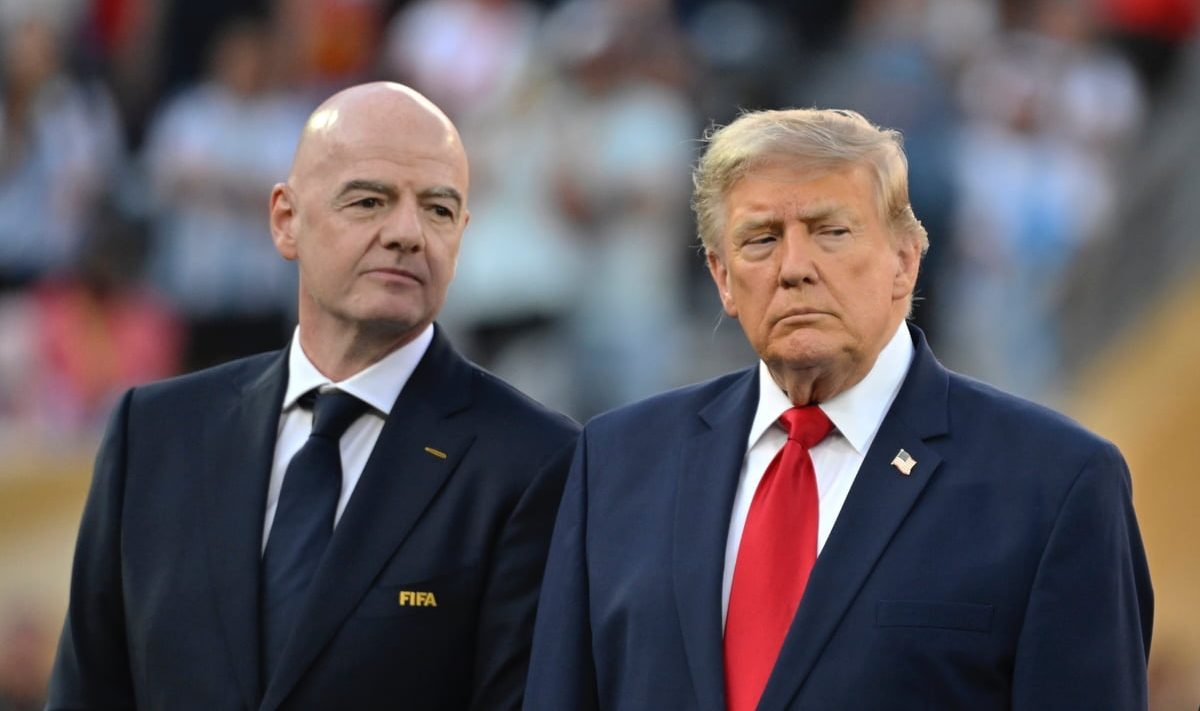
FIFA’s governance continues to be called into question by UEFA after a letter was sent to the global football governing body over its failed private equity proposal and Florian Balogun’s red card reversal. Both involve links to President Donlad Trump.
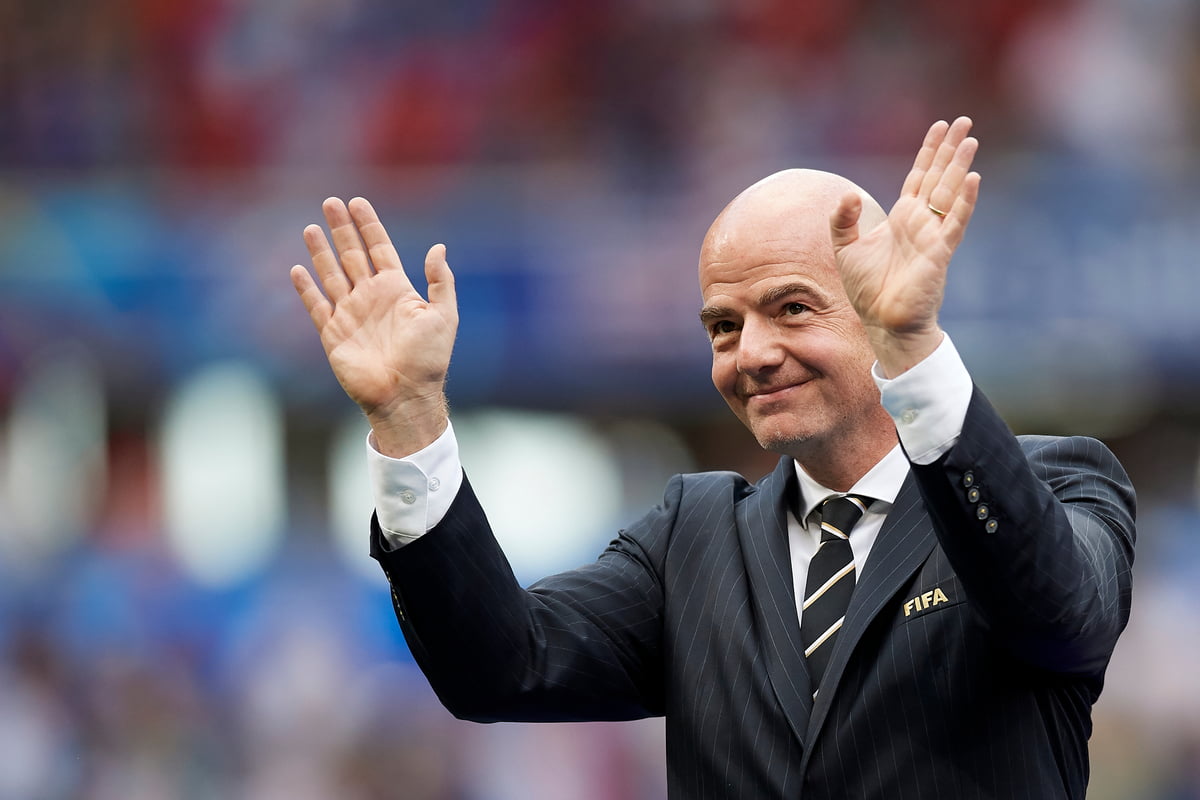
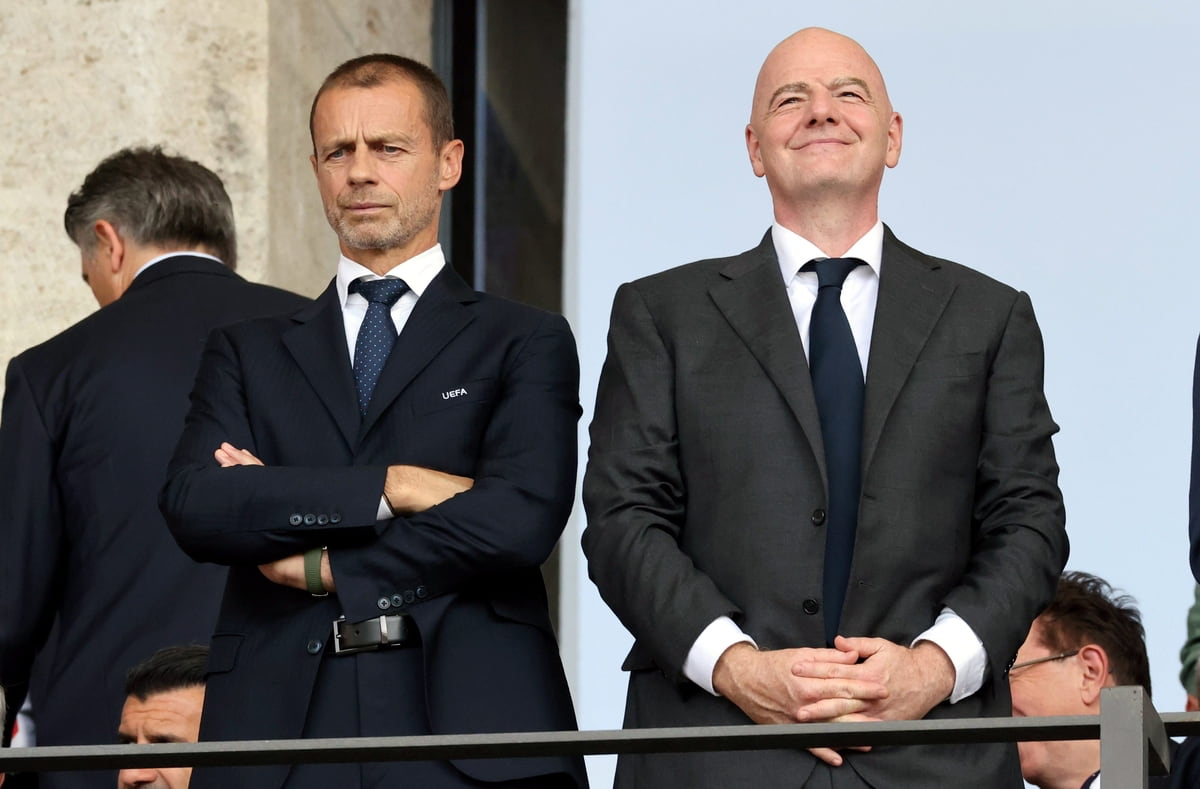
UEFA is calling on FIFA to release documents relating to its governance and its President, Gianni Infantino, ties to US President Donald Trump.
In a letter from UEFA General Secretary, Theodore Theodoridis, seen by multiple news outlets, 42 questions from the European football governing body were sent to football’s governing body, with answers requested for each.
Some of these questions involve FIFA’s overall governance, the failed FIFA Forward Enterprise (FFE) project, and the phone call Trump made to FIFA in his bid to have Florian Balogun’s red card overturned during the 2026 World Cup.
“These questions require answers now,” said Theodoridis in the letter.
“They cannot be deferred until the next meeting of the FIFA Council – nor can future governance reforms substitute for scrutiny of decisions already taken and accountability for them.”
UEFA has set a 2 November deadline for football’s governing body to come forward and respond to these questions, despite Infantino’s apology during a FIFA Council meeting last week.
Delegates from the English and German football associations during the council meeting believe Infantino failed to properly address what transpired over the FFE proposal, and failed to give an explanation for Balogun’s rescinded red card.
“The withdrawal of FFE, the acknowledgement of mistakes and the announcement of ‘potential governance reforms’ do not answer how the relevant decisions were taken or why the FIFA Council was not involved at the appropriate stage,” added Theodoridis.
Answers for the FFE fallout
One of the key questions UEFA wants football’s governing body to address is how FFE came to prominence, why member associations were not consulted on the project, and how the investors became involved.
FFE was proposed as a private equity fund for investors to acquire stakes in FIFA competitions, like the World Cup, to raise up to $20bn for distribution among member associations.
One of the private equity firms linked to FFE was Thrive Capital, founded by Joshua Kushner – the brother of Jared Kushner – who is the son-in-law of President Trump.
The proposal was heavily criticised by UEFA and other member associations, which has ultimately led to calls for Infantino’s resignation despite his willingness to remain President ahead of the next election in March 2027.
In the UEFA letter, Theodoridis questioned why FFE was needed to fund member associations and not the $15bn generated from the World Cup in North America last summer.
He also raises questions around awarding the FIFA Peace Prize to Trump in late 2025, why Thrive was selected as an investor and whether a due diligence tender process was in place. FIFA leased offices in the Trump Tower was another point of contention, given these spaces remain largely unused but have cost football’s governing body $4m across seven years.
A resolution to the Balogun red card?
UEFA is also seeking answers on the disciplinary process which overturned Balogun’s red card, allowing him to play in the US men’s national team’s Round of 32 loss to Belgium in the World Cup.
After Balogun received his red card against Turkey in the final group game, Trump revealed he had called Infantino over possibly overturning the red card to make him eligible to play against Belgium.
The FIFA Disciplinary Committee suspended Balogun’s red card suspension for one year by applying Article 27.
But UEFA is questioning the due process of the disciplinary committee and the call Trump made to Infantino.
“President Trump publicly acknowledged having called the FIFA president to request a review of the Balogun disciplinary case,” said Theodoridis. “What exactly did he ask him to do, and what was his response? Would the case have been reviewed in the absence of his intervention?”
“Following that conversation, did the FIFA president or the Fifa secretary general communicate with anyone within FIFA, including members of the administration or the chair of the disciplinary committee, concerning the Balogun case? If so, could FIFA specify with whom, when and the nature of those communications?”