


FIFA suspended Balogun’s automatic red-card ban under Article 27 after a Trump call, which cleared him to face Belgium
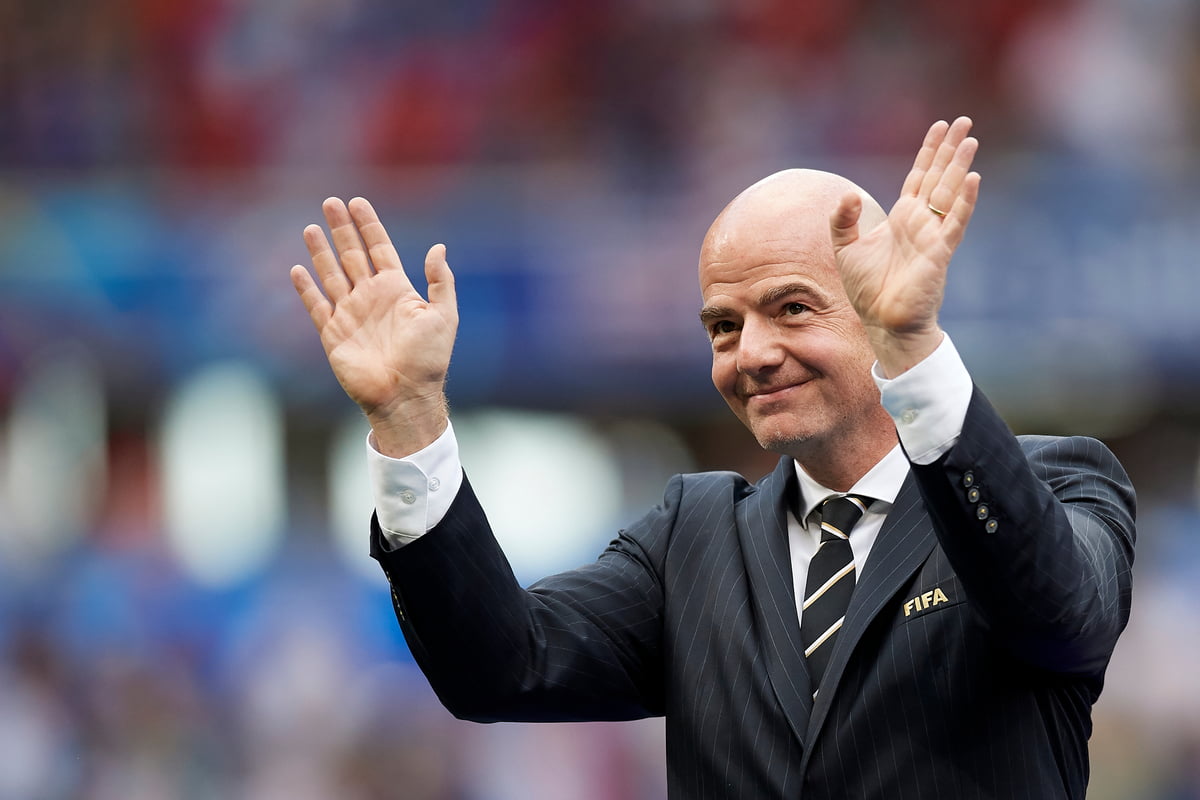
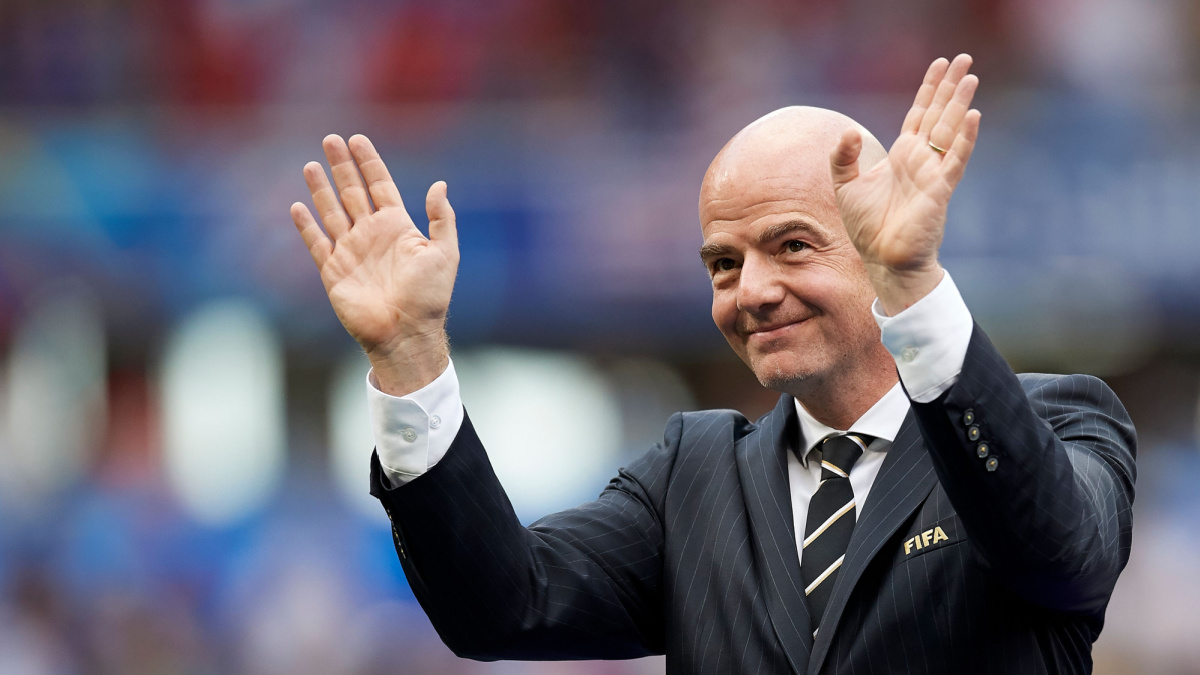
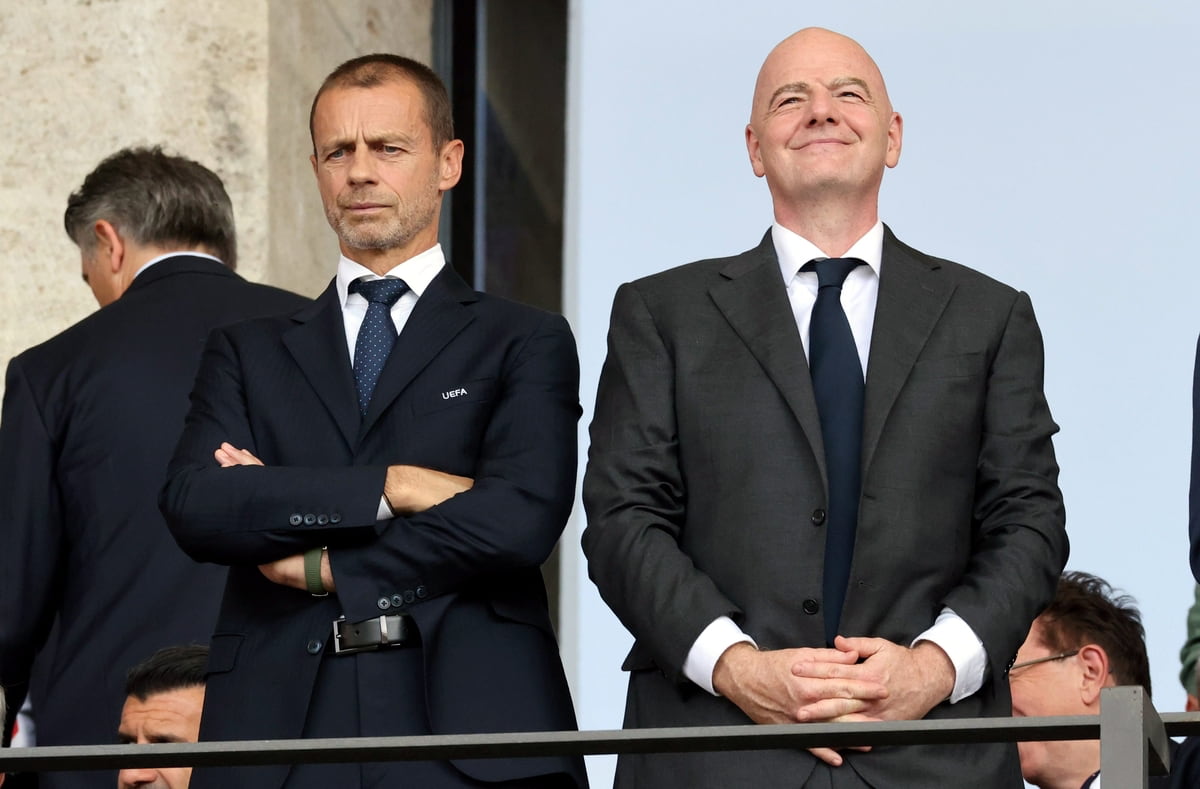
FIFA cleared United States striker Folarin Balogun to play in Monday’s (6 July) World Cup last-16 tie against Belgium by suspending the automatic ban that follows a red card, days after US President Donald Trump called FIFA President Gianni Infantino to demand a review.
The Disciplinary Committee invoked Article 27 of the FIFA Disciplinary Code on 5 July, placing Balogun’s one-match suspension on a one-year probation instead of enforcing it. UEFA responded, saying football’s governing body had “crossed a red line”, calling the decision “unprecedented, incomprehensible and unjustifiable”.
The committee did not technically overturn the sending-off Balogun took for a challenge on Bosnia and Herzegovina’s Tarik Muharemovic in the round of 32, re-judge the tackle, or rule referee Raphael Claus wrong. It merely suspended the punishment, not the verdict.
The card stays on his record; the ban was essentially postponed, which left the USMNT’s three-goal top scorer free to face Belgium.
A suspended sentence, not a reversal
Article 27 of the FIFA Disciplinary Code is a suspended-sentence power taken almost verbatim from criminal law. It lets FIFA’s judicial bodies pause a sanction and swap it for probation of one to four years, reinstated if the player reoffends.
The clause is neither new nor hidden – deferred bans for Cristiano Ronaldo, Nicolás Otamendi and Moisés Caicedo have all run through it at this tournament.
However, no previous World Cup had seen Article 27 wipe the automatic one-match ban attached to a straight red card mid-tournament. Axios reported it as the first time since 1962 – when Garrincha played the final after a semi-final sending-off – that a World Cup red card carried no suspension.
Trump, who confirmed making the call, thanked FIFA on Truth Social for “reversing a great injustice”. A US official reportedly told Axios the government had supplied “additional evidence”, centred on the referees’ use of slow-motion replay.
President Trump called FIFA's move to suspend US striker Folarin Balogun's red-card ban at the World Cup a 'brilliant decision' after he personally contacted global soccer boss Gianni Infantino on the matter https://t.co/uRKXvdBMNs pic.twitter.com/UCqas8lLN1
— Reuters (@Reuters) July 6, 2026
A rule with no criteria
Article 27 names no circumstances for its use – no threshold of clear error, no evidentiary test, no requirement to publish reasons – an issue the Belgium’s federation took particular umbrage with: leaning on Article 66.4, the clause making a red-card ban automatic, and on the 2026 Competition Regulations as cause for complaint.
FIFA’s position is that Article 27’s discretion sits above the automatic ban. Both arguments, in theory, hold – which is the trouble. The code contradicts itself and hands the tiebreak to whoever exercises discretion that day.
Per the 2026 World Cup Regulations, teams cannot appeal a referee’s on-field judgment call. Balogun’s side had no formal avenue to overturn the red card, so the correction came directly from a FIFA committee decision, with no available information on how the committee came to its decision.