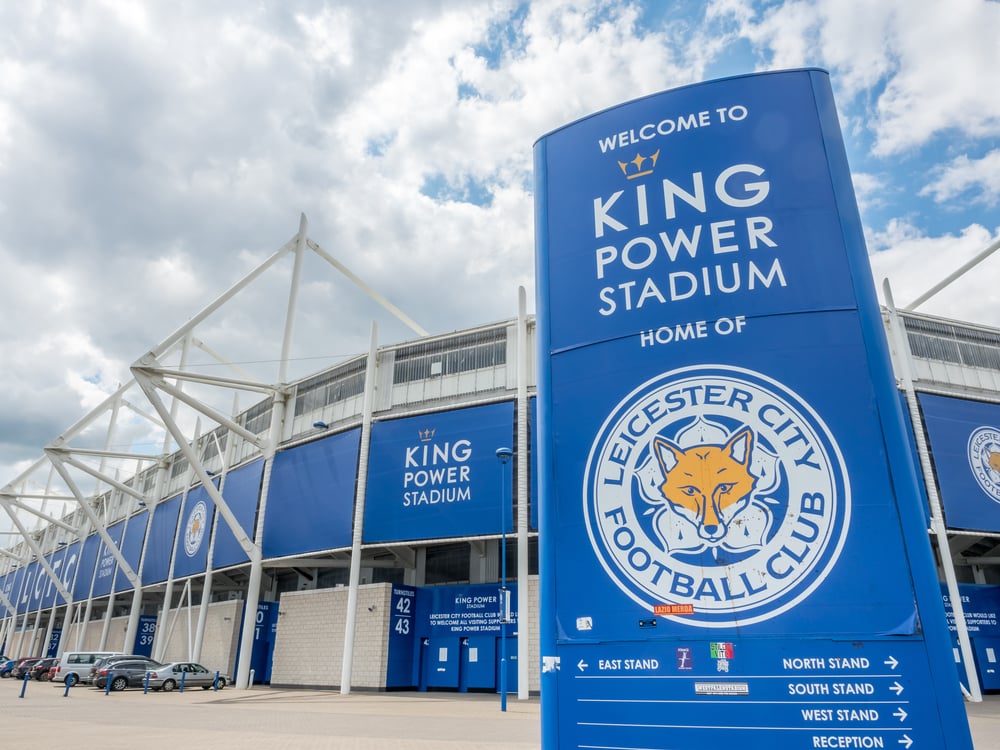



After 16 years of promotion, a Premier League title and relegation, Leicester City’s Thai owner is reportedly seeking to sell the club and has sounded out new suitors.
Leicester City could be on the verge of being sold after owners King Power have reportedly hired financial advisors to seek out potential buyers.
The club, which was relegated to League One – third-tier of English football – for the upcoming 2026/27 season, has hired Citigroup to find buyers that would be suitable to acquire Leicester, according to people familiar with the matter cited by The Financial Times.
Sky Sports News believes an unnamed party based in the Middle East has an interest in acquiring the club.
The League One side’s financial partners have also been consulted on the potential sale and its portfolio has been presented to possible buyers by Citigroup.
Leicester’s recent financial woes
Leicester has been at the mercy of English football regulatory pressure in recent years which has resulted in points deductions under the leadership of Chairman Aiyawatt Srivaddhanaprabha.
Despite winning promotion back to the Premier League after the 2023/24 season, it was during this season the club were found to have broken the English Football League’s (EFL) Profit and Sustainability Rules (PSR).
Subsequently, Leicester were issued a six-point penalty during the 2025/26 Championship season which ultimately contributed to the club being relegated.
Furthermore, the Premier League charged the club during the 2024/25 season after it found the club had broken PSR across the three-year period from 2020 to 2023, amounting to £129.4m in losses, £24.4m over the three-year threshold.
Leeds United are also looking to take legal action against the club as it believes the club’s breach of PSR during the 2023/24 season contributed to Leeds’ failed promotion attempt that season.
There have also been external financial issues relating to the club’s owners.
King Power, based in Thailand which operates travel retail shopping and airport commercial spaces, felt the impact of the Covid-19 pandemic as travel came to a halt for more than a year, affecting revenues.
In January 2025, the club announced Srivaddhanaprabha had wiped £124m in debt by converting new loans into debt-to-equity, which cut the interest of repayments. It brought the Srivaddhanaprabha Family’s total investment into Leicester at the time to £420m.
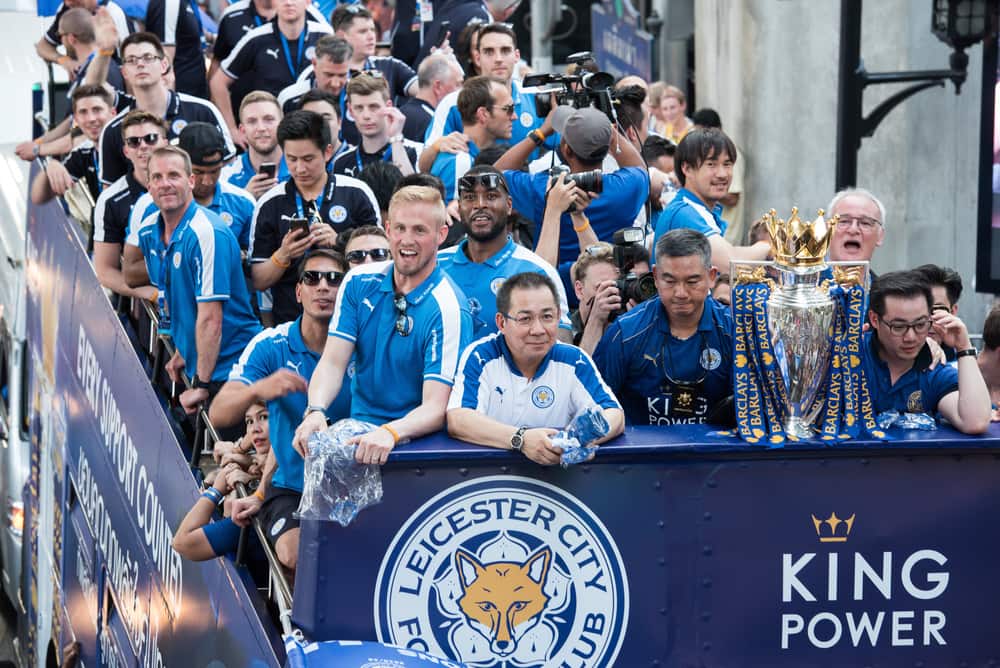
Srivaddhanaprabha’s ownership: triumph, tragedy and protests
King Power Founder and CEO Vichai Srivaddhanaprabha bought Leicester in 2010 when the club was playing in the Championship.
This started one of the greatest underdog stories in sporting history, as Leicester climbed from as low as League One to be promoted to the Premier League in 2014. After surviving relegation the following season, the club achieved the unthinkable and won the 2015/16 Premier League after starting the season as 5000/1 outsiders to win the league.
Despite losing star players, such as N’Golo Kanté to Chelsea and Riyad Mahrez to Manchester City, in the following seasons, Leicester remained a Premier League mainstay.
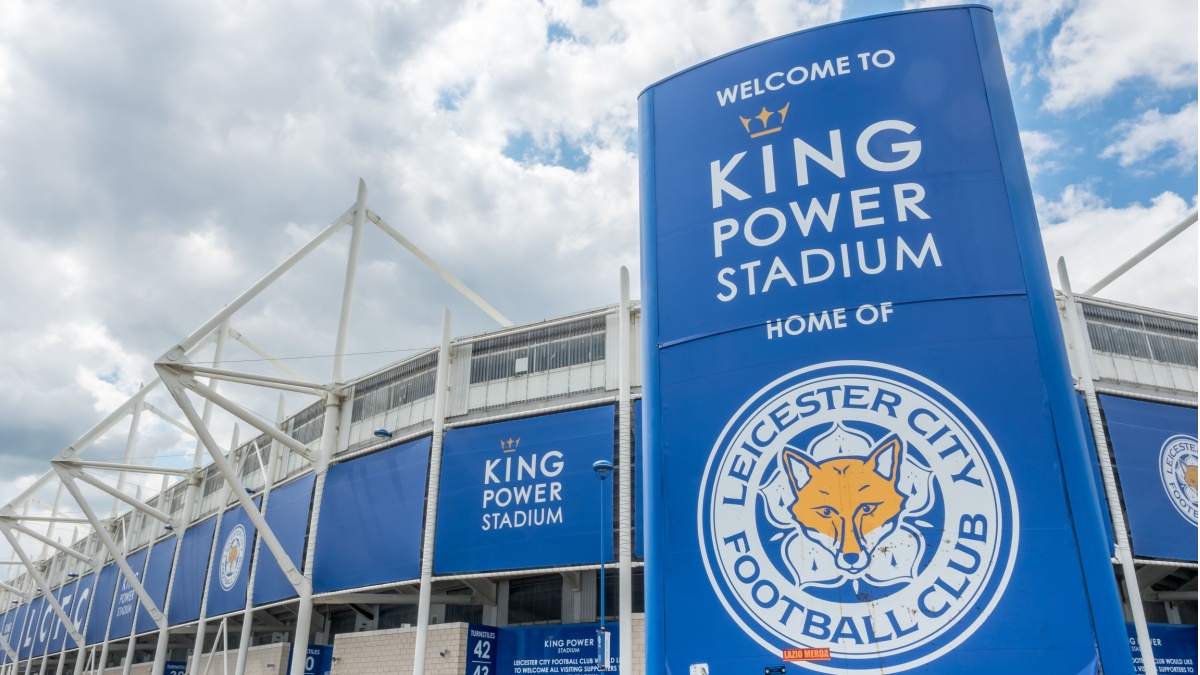
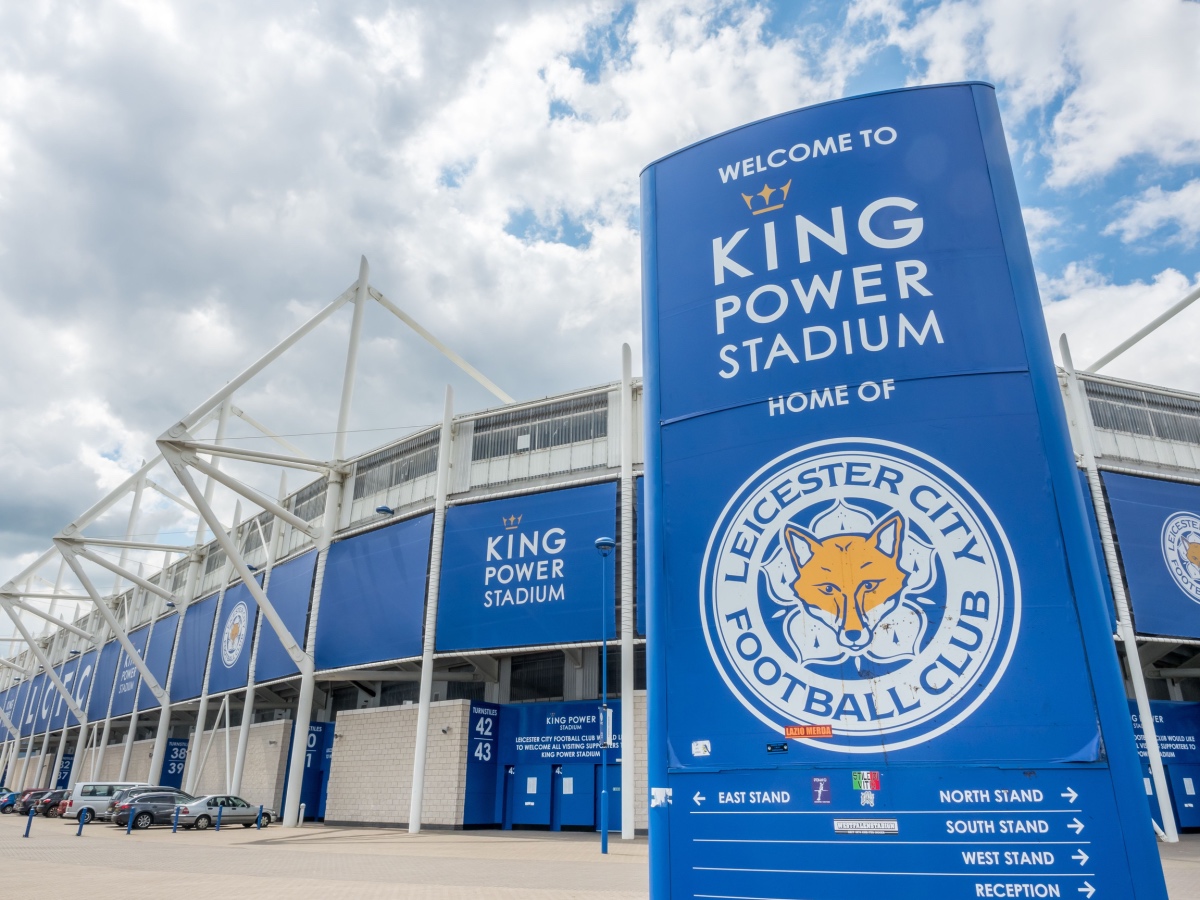
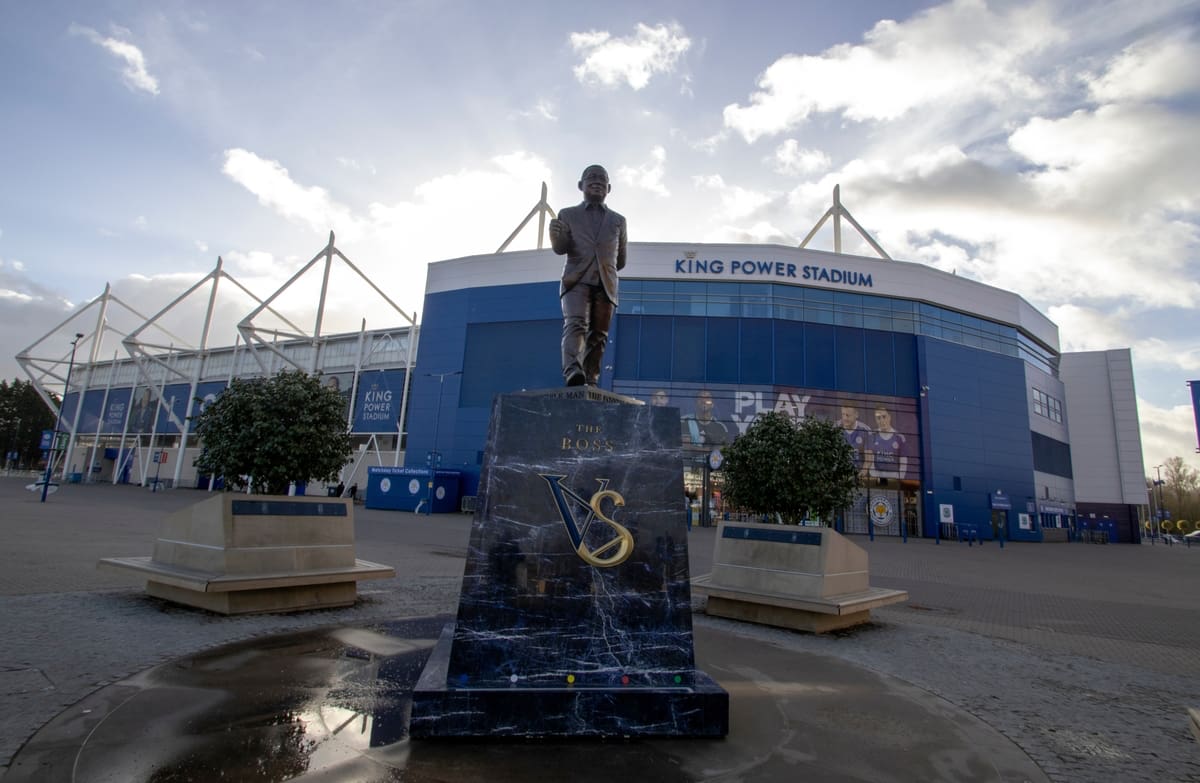
Vichai Srivaddhanaprabha tragically passed away in October 2018 in a helicopter crash outside the King Power Stadium. His son, Aiyawatt Srivaddhanaprabha, took over as CEO of King Power, and Chairman of Leicester.
Under Manager Brendan Rodgers, Leicester won the FA Cup in 2021 for the first time in the club’s history.
However, from 2019 to 2021, Leicester failed to qualify for the UEFA Champions League despite being in contention each season. The club missed out on European football in total – Europa and Conference Leagues – at the end of the 2021/22 season.
Competing in UEFA competitions brings valuable media rights, sponsorship, matchday and competition prize money revenue for football clubs.
After two relegations in three seasons, Leicester fans have begun to voice their concerns in protest against the ownership, with many seats at the King Power Stadium empty towards the end of the 2025/26 season.
A potential Leicester City sale would bring an end to the 16-year Srivaddhanaprabha Family ownership.