







Are the London Broncos set to compete in the 2026/27 Super League season despite being ranked 16th in the Rugby Football League’s (RFL) ratings system?
The same 14 teams that competed in last year’s Super League season will compete in the 2026/27 season due to a ratings system.
Reigning Super League Grand Final winners Wakefield Trinity topped the rankings, which are powered by IMG, at 17.85. The Broncos were rated at 9.77 in 16th, one place below Barrow Raiders in 15th with a rating of 9.85, despite finishing the Championship regular season in sixth.
However, according to The Guardian, the Broncos are likely to still compete in the Super League due to plans to expand the top-flight of the English Rugby League.
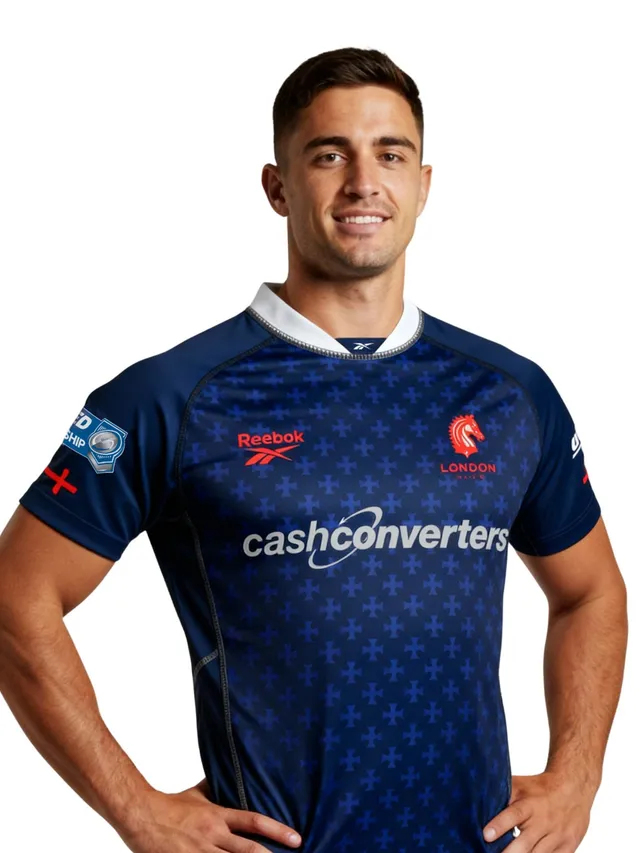
Winning the RFL Championship, which the Broncos managed last season, traditionally meant automatic promotion to the Super League until 2023. The IMG ratings system was then introduced in order for the Super League to be made up of Grade A ranking teams. However, the Broncos ranked in Grade B.
This would place the side outside of Super League contention, but due to the RFL and National Rugby Leagues (NRL) partnership coming to a close soon, it is likely the Broncos will compete in the 2026/27 season because the NRL have made it clear they want the London teams’ presence in the league to fuel its investment.
Expanding the Super League from 14 to 15 with the addition of the Broncos would mean a change in scheduling, with each team missing one weekend in a bye-round.
However, the Super League has yet to make any official announcement of the Broncos’ participation next season.
Is the ratings system weighted against the Broncos?
The IMG ratings system classifies Rugby League teams out of a maximum 20 points through five key pillars. It was introduced by IMG to incentivise sustainability and quality infrastructure.
‘Fandom’ and ‘Performance’ are the two highest metrics a team can score maximum points in at five. Fandom is measured by attendances, digital engagement and viewership. Performance is measured on success in the league and domestic cups.
Finance awards a maximum of four-point-five points and is measured through profitability, owner investment, turn over and how healthy a team’s balance sheet is.
Stadium performance awards a maximum of three points. This is based on how healthy a club’s stadium’s facilities are, as well as LED screens and lighting, along with how long a club has stayed at its home stadium.
The lowest maximum points of two-point-five points is based on the community metric. This is calculated by a club’s fanbase size and the performance of the club’s charity organisations.
In the Broncos’ current situation, a Grade B ranking does not necessarily mean it cannot compete in the Super League, as it reaches eligibility. However, all 14 Super League teams are also eligible to compete.
Broncos owner David Hughes criticised the ratings system back in 2024 when the club ranked 24th with a rating of 4.38.
Prior to joining the Super League in 2024, Hughes took issue with the rating as it represented an near-certainty the Broncos would be going back to the Championship the following season.
“Promotion and relegation should be a staple of all sports,” said Hughes at the time.
“We are proud of this tradition whereas in other countries promotion and relegation is not always the case. It’s what brings the excitement to sport.
“Condemning a club to relegation before a ball has even been kicked takes away the jeopardy and drama that makes the millions tune in week on week, year after year.”