
















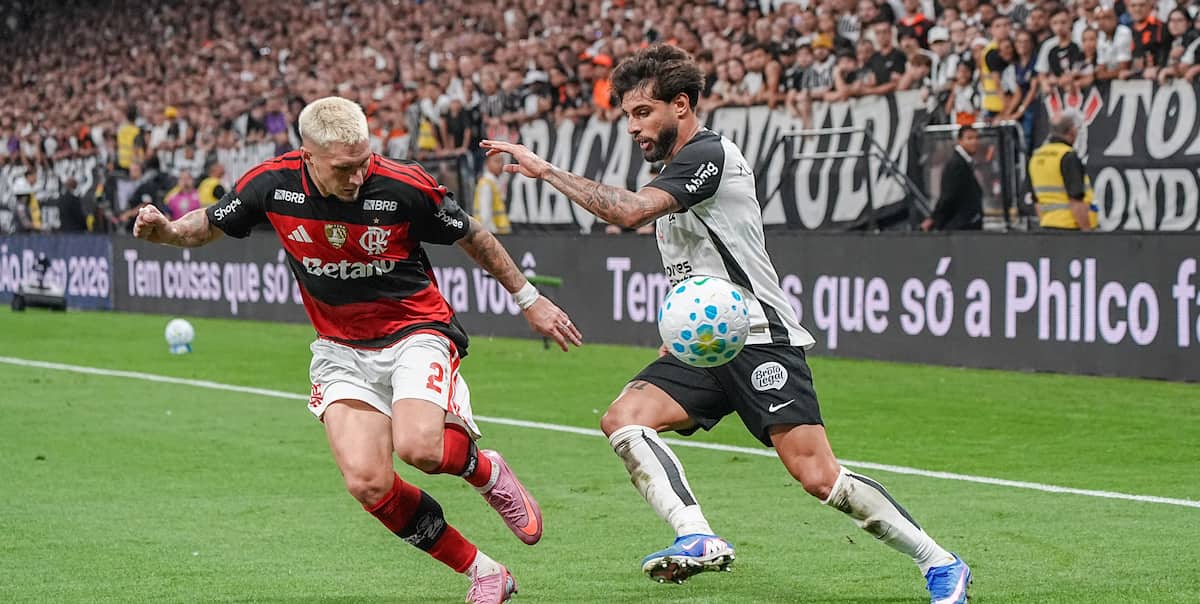
Nine Brazilian clubs and the São Paulo state championship posted coordinated statements defending the regulated betting market, warning that restrictions would drive teams toward insolvency.
Nine Brazilian football clubs published coordinated statements defending the country’s regulated betting market, warning that a ban or tighter restrictions would drive teams toward insolvency and expand illegal gambling.
The clubs taking part were América Mineiro (MG), Vasco da Gama, Flamengo, Cruzeiro, Grêmio, Santos, São Paulo, Palmeiras and Corinthians. The São Paulo State Championship (Paulistão) supported the initiative.
The clubs posted their positions on online betting through Instagram, addressing the possible effects of wider restriction on the sector. They acknowledged the challenges that came with the betting market’s expansion, but said a responsible environment required stronger protection measures, more oversight and education rather than a ban.
Lula’s government is preparing an executive order to ban online casino games, four people familiar with the discussions told Reuters on 17 September. The ban would not extend to sports betting or sponsorship deals with clubs and competitions, two of the sources said, though casino games account for around 75% of licensed operators’ revenue, which funds much of their sponsorship spending.
The clubs pointed to operators’ investment in Brazilian football, which they said had become one of the sport’s main revenue sources and had driven the game across South America.
“This presence is not limited to the biggest clubs. The funds also reach smaller teams, lower divisions and competitions with less commercial exposure. For many of these clubs, especially those in the country’s interior, no other economic sector could immediately replace this investment,” Cruzeiro said.
Flamengo said ending the regulated market would not stop betting but would directly affect football, because regulation set clear rules and provided a safer environment.
“Making the regulated market unviable will be a wide-open door to clandestine betting and a fatal blow to Brazilian football, driving many clubs into insolvency,” the club said.
Flamengo said the measure would also create legal and professional uncertainty, because contracts and agreements were signed under the current regulatory framework, which the state established and Congress approved.
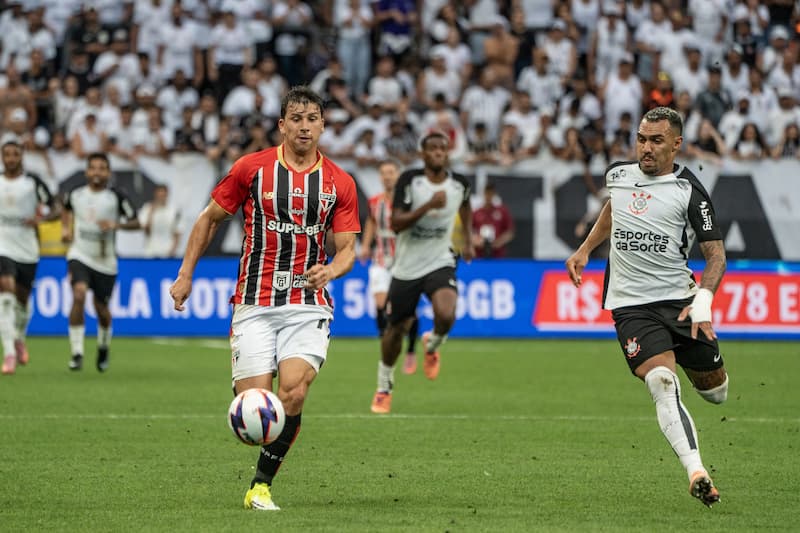
The Paulistão, with Corinthians, Palmeiras, São Paulo and Santos, said betting revenue was “fundamental to maintaining administrative structures, training centres, staff, social projects and departments that do not generate enough resources to sustain themselves independently, such as part of women’s football and the development of future athletes, the first investments threatened when revenue falls abruptly.”
The clubs appear to have coordinated the action, publishing similar messages that reinforced the same view.
América-MG said the possible changes had caused concern among clubs, federations and governing bodies. The government introduced regulation after identifying the need to set rules for an activity that already existed but operated without oversight, the club said.
“It is important to note that, in recent years, investment by authorised betting companies has become one of the sport’s main revenue sources. This investment drove Brazilian football to dominate South American football in competitions such as the CONMEBOL Libertadores and CONMEBOL Sudamericana and put Brazilian clubs in a leading position,” Grêmio said.
Betano holds the naming rights to the Brasileirão Série A and the Copa do Brasil, Brazil’s two largest football competitions. The Brazilian Football Confederation (CBF) has not spoken against a possible ban.
The statements follow a pullback already under way. Only 12 of 20 Série A clubs carried a betting company as their main shirt sponsor at the start of 2026, a 33% drop on the previous season. A separate bill tabled in July would sever commercial ties between betting operators and Brazilian sports bodies.
Juca Kfouri and Paulo Vinícius Coelho, columnists at UOL, backed restriction and oversight over a ban. Kfouri wrote this week that authorities should “restrict, yes” but that “banning is useless.” Coelho backed “regulation and a deadline for changes, not a hasty ban.”
Fans push back
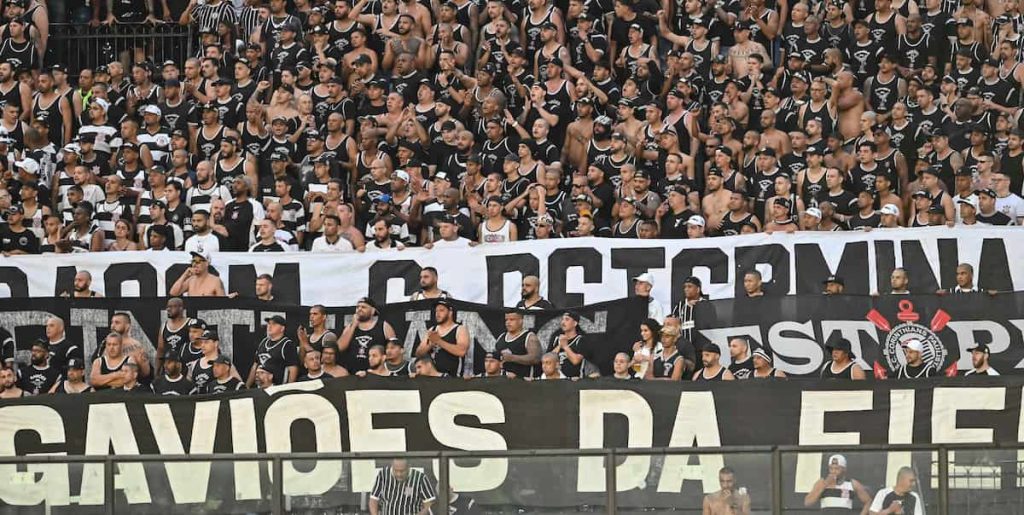
Many comments on the posts went against the clubs’ position, with fans saying they did not support the initiative and preferred football “without bets.”
The posts drew criticism from users, some defending football without betting advertising and others questioning clubs’ financial dependence on the sector.
“I’d prefer football with less investment and no betting ads,” one user wrote. Another said “there is no responsible betting market.”
Other users said “I’d be ashamed to post this” and questioned football’s reliance on betting companies: “If our football can only survive by depending on its own fans’ losses, the problem is in football’s financing model, not the absence of bets.” One user called the initiative “a disgrace.” Another said “My team is defending betting. Today, football was truly buried.”
Betting long part of Brazilian life
The debate involves not only betting’s presence in football but how the activity is conducted. Betting has been part of Brazilian life for centuries, with records of betting games since the colonial period and the expansion of different forms through the 19th and 20th centuries.
Regulation did not create the activity but set a new framework for its legal operation.
The regulated market established rules, oversight and player protection, including measures on gambling-addiction prevention (ludopatia) and identifying risky behaviour.
Access to information on risks, identification of problem behaviour and protection tools form part of the debate on handling an activity that already exists and, under regulation, becomes subject to supervision.