



FIFA wants $4.2bn from investors led by Josh Kushner’s Thrive Eternal. UEFA says the game is not FIFA’s to sell, and European nations discuss a boycott
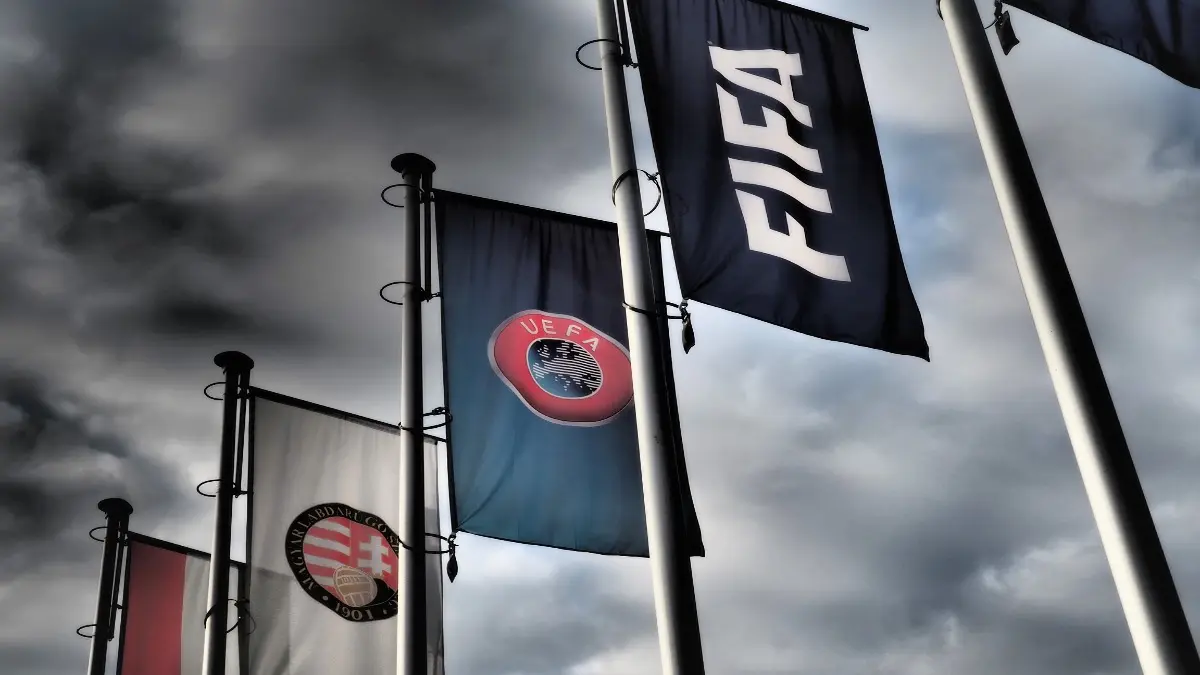
FIFA has confirmed plans to sell minority stakes in a new commercial subsidiary that would control the men’s and women’s World Cups, drawing an immediate rebuke from UEFA and prompting European nations to discuss a boycott.
The subsidiary, FIFA Forward Enterprise (FFE), would consolidate FIFA’s commercial rights – broadcast, sponsorship, ticketing and licensing – with the operational delivery of its tournaments.
FFE would raise up to $4.2bn later this year at an initial equity valuation of $20bn by selling minority, non-controlling interests to long-term investors.
Thrive Eternal, a permanent capital holding company, is expected to lead the investor group, with J.P. Morgan engaged to work alongside football’s governing body and Greg Maffei, the former Liberty Media CEO who oversaw its ownership of Formula One, acting as a key commercial adviser.
Thrive Eternal was launched in April by Joshua Kushner, the brother of Jared Kushner, son-in-law of US President Donald Trump. The fund, created by Kushner’s Thrive Capital, previously purchased a minority stake in the San Francisco Giants. Jared Kushner is not among the investors lined up, though FIFA consulted the Trump administration on the plans.
UEFA responded within hours. “It is not FIFA’s to sell,” the European governing body said in a statement, adding that none of football’s institutions own the game. UEFA accused football’s governing body of “attempting to sell the soul of football” and is believed to be considering its legal position. UEFA nations are expected to hold an emergency virtual meeting this week, with a willingness to use the threat of a boycott if FIFA President Gianni Infantino pushes ahead.
UK Prime Minister Andy Burnham wrote on X: “Football does not belong to investors.”
Let me say this very directly.
Football does not belong to investors. It belongs to the people who fill the stands and who stand on the touchline week in, week out, rain or shine.
The World Cup is not a product. It is the greatest competition in world sport, and it was never…
— Andy Burnham (@andyburnham) July 28, 2026
Concacaf, the confederation covering the 2026 tournament’s host region, said it was only made aware of the matter through media reports and subsequently via a media release.
“We are deeply concerned by the lack of due process,” the confederation said in a statement, adding that it shared the disappointment of many within its region that this level of detail had been designed and shared publicly before any discussion with the relevant governance bodies and stakeholders.
Every decision must be guided by good governance, robust processes and long-term stewardship, Concacaf said, and it trusts all within the football family will act in the same manner.
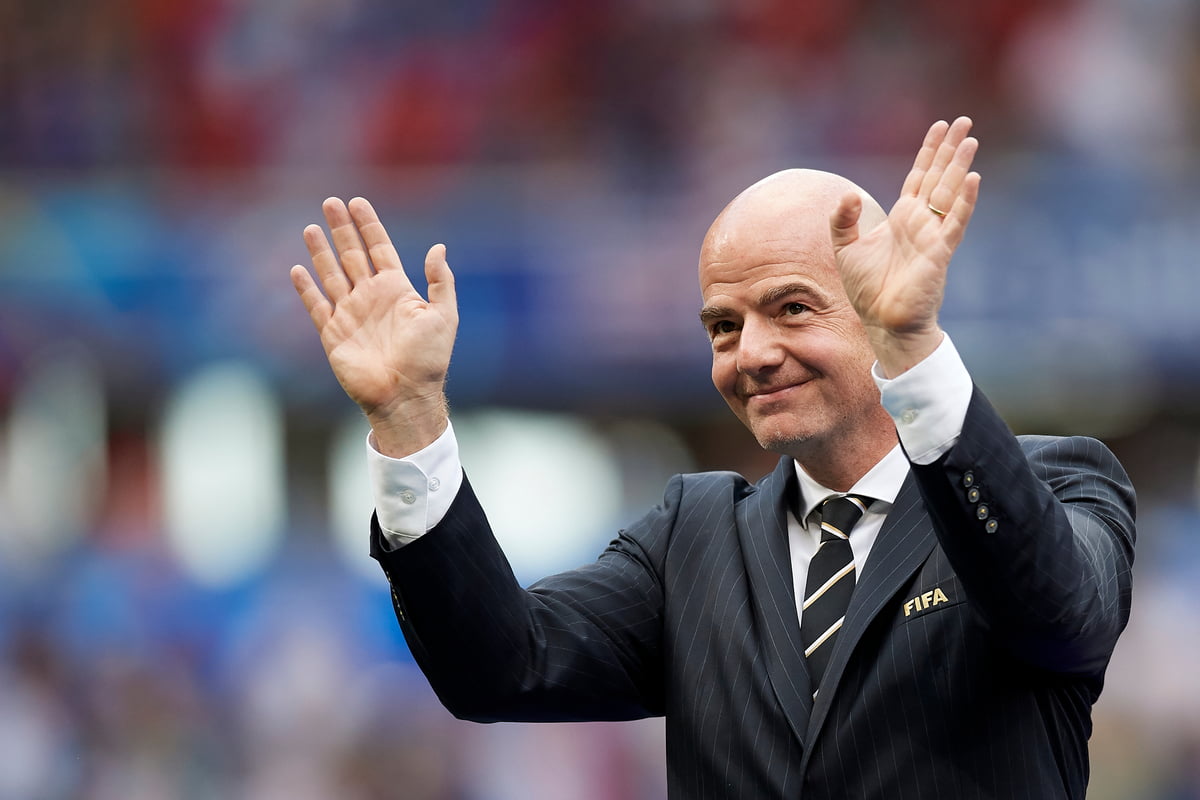
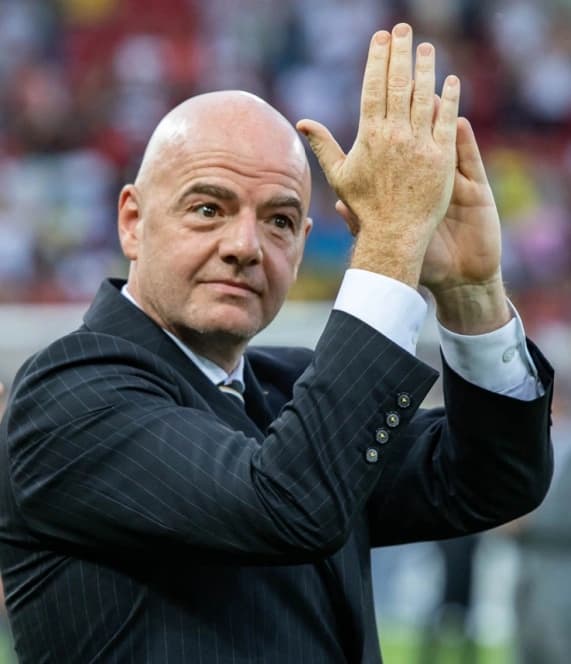
Infantino has defended the proposal. “This is about the democratisation of football worldwide,” he said, arguing every member association should be able to seek a fair share of available funding and shape its own future.
What FIFA is offering its members
FIFA’s statement led on money for its 211 member associations, not on the investors. Forward development funding per association would rise from a budgeted $8m to $20m for the 2027-2030 cycle, then $22m for 2031-2034 and $24m for 2035-2038.
A new FIFA Fast Forward Programme would offer each association an optional one-off $20m in capital for projects such as stadiums and national training centres, financed through the $4.2bn raise. The governing body says the package could take its total planned development funding above $10bn over the next four years.
The Times reported that private investors would purchase 20% to 30% of the entity, with member nations sharing a further 20% – each receiving a stake worth around $20m that they could hold or sell for cash. The structure gives associations a direct financial incentive to vote the plan through.
The raise follows a record 2026 World Cup tournament. FIFA banked World Cup income of about $12bn from the 2026 edition in the US, Canada and Mexico, which had unprecedented high prices for tickets and hospitality.
National leagues receive nothing under the plan; the money flows to associations. The European Leagues body and players’ union FIFPRO filed a complaint with EU antitrust regulators in 2024 accusing football’s governing body of favouring its own competitions and commercial interests and harming the economic interests of national leagues.
External investors could ultimately gain significant influence over decisions affecting the sport, with fears they would push to stage the World Cup more regularly and only in the most lucrative markets.
Is it FIFA’s to sell?
FIFA is a not-for-profit association owned by the 211 associations that make up its membership, registered under Article 60 of the Swiss Civil Code and tax-exempt in Switzerland.
It has no shareholders and cannot be bought, sold or traded like a company. It does, however, own the commercial rights to the World Cup under its own statutes, sells the tickets itself and keeps the proceeds – the legal basis on which it can place those rights inside a subsidiary and sell stakes in that subsidiary, rather than in FIFA itself.
FIFA said it regularly creates subsidiaries unilaterally but is seeking the support of a majority of member associations and FIFA Council approval given the project’s strategic importance. Outside investors would hold only minority stakes with no operational role, all net benefits of FFE would be reinvested into football, and nothing changes for FIFA itself.
This argument is highly contested by UEFA, which said the soul and governance of football are not assets to trade, especially with zero transparency as to who gains financially.
FIFA Council members were sidelined from the decision-making process and were surprised by the announcement, which Infantino had kept under wraps until reports emerged in The Times and Financial Times. FIFA declined to say when a vote will take place.
Infantino, who must stand down as FIFA president in 2031 after three full terms, has aspirations to chair the new commercial company, which could earn him tens of millions of dollars, according to The Times. FIFA said both the president and the administration would need to play leading roles in any new entity to ensure FIFA retains control in line with its statutes.
The Trump connection
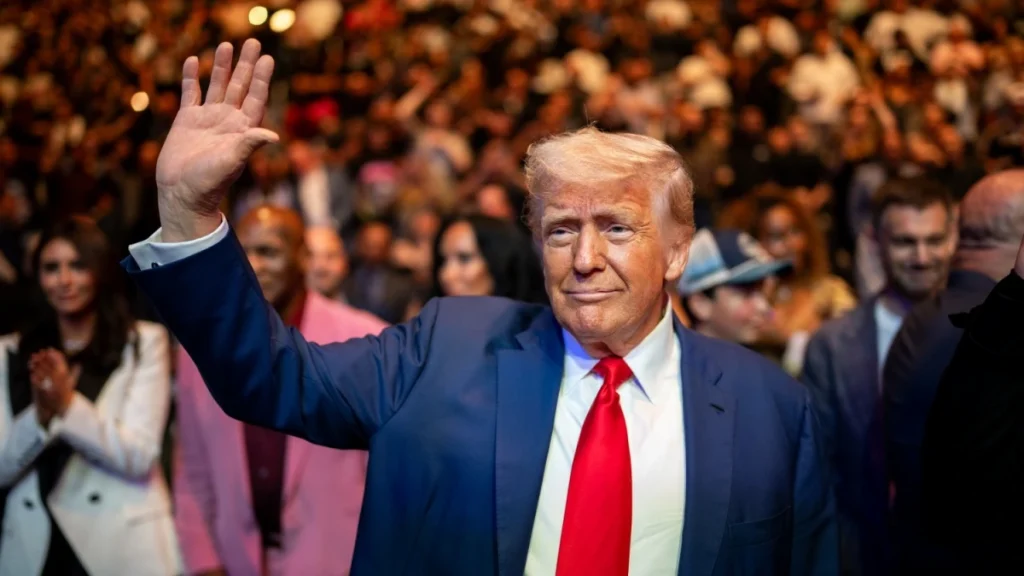
The announcement lands amid arguably the deepest entanglement between FIFA and a host government in the organisation’s history. Trump chaired the White House task force on the 2026 World Cup, and FIFA opened an office in Trump Tower last year.
UEFA accused FIFA during the tournament of damaging the integrity of football by lifting the immediate suspension of USA striker Folarin Balogun following direct pleas from Trump. This contributed to UEFA President Aleksander Ceferin boycotting the World Cup final, alongside other issues. FIFA awarded Trump its inaugural “FIFA Peace Prize” last December.
Prior to the announcement, Infantino put out a 15-slide Instagram post on 27 July, where he told critics to “meditate, pray, or watch a football match” rather than spend their energy hating FIFA. He also defended the Balogun ruling, and called the tournament – which Spain won 1-0 against Argentina at MetLife Stadium on 19 July – the best show in the world.
FIFA has been here before. In 2018, Infantino agreed a deal in principle with SoftBank to provide $25bn in funding for an expanded Club World Cup and global Nations League, but failed to get sufficient support, largely due to opposition from Europe.
In 2021, FIFA dropped a plan to stage the World Cup every two years after Ceferin said European nations would not participate. A potential 64-team expansion is under discussion for the next World Cup in 2030.