


FIFA’s message to the haters: “reflect, meditate, pray, or watch a football match.”
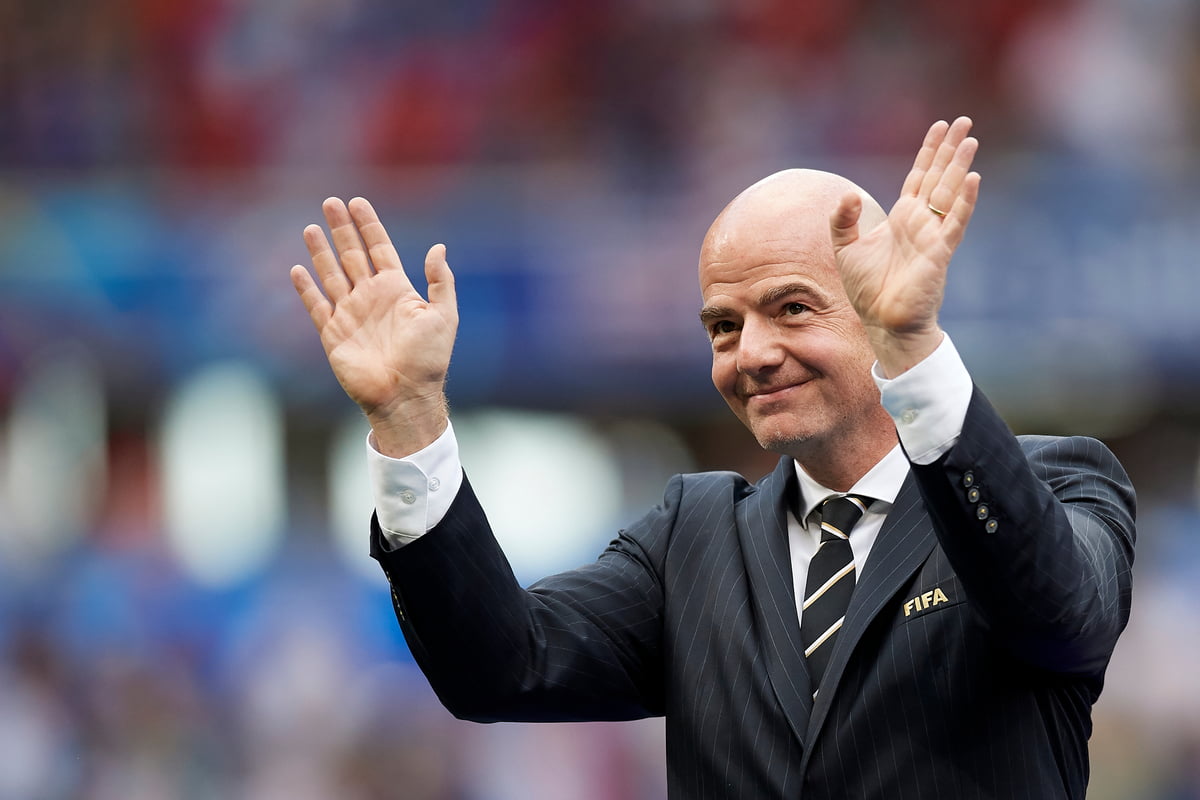
FIFA President Gianni Infantino has defended the governing body’s handling of the 2026 World Cup in a social media statement, accusing critics of “spreading hate and false rumours.”
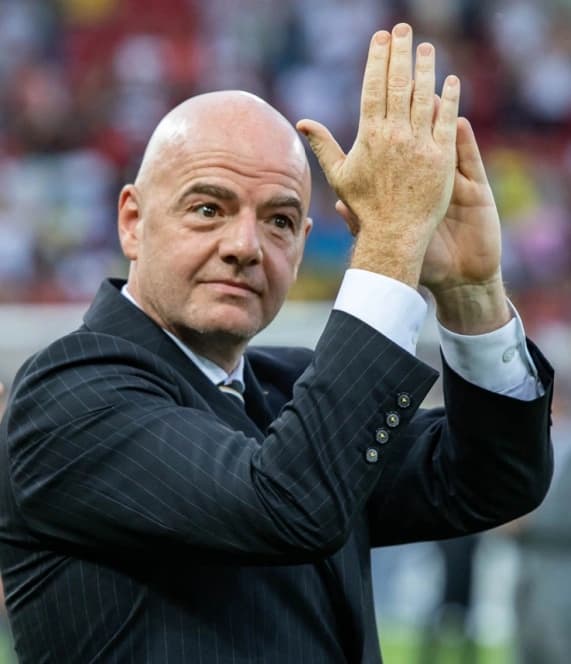
Infantino published a 15-slide post on Instagram addressing those he said had become “so consumed by hate and criticism” that they missed the tournament’s matches, emotions, and celebrations.
The World Cup ended on 19 July with Spain beating Argentina 1-0 in the final, bringing an end to FIFA’s biggest tournament in its history. The expanded format, played across the US, Canada and Mexico, generated more than $15bn but also faced controversies before, during and after the competition.
That criticism has recently escalated into calls for Infantino to step down from UEFA, La Liga, a group of MEPs and former FIFA president Sepp Blatter. The Instagram post didn’t address those calls, but Infantino did take aim at journalists and commentators that he said only focus on negativity.
“While you hide, we are exploring the streets of Canada, Mexico, and the US, talking with fans, engaging with people, and ensuring everyone’s safety,” he wrote, adding, “while you divide, we unite.”
He also praised the governments of the host countries, as well as the police forces, volunteers and FIFA staff, for delivering what he called “the greatest event on earth.”
He ended the post with the message: “To the pens and papers, to all the screens, may you find love and peace where the people behind you couldn’t. May you find peace; we at FIFA have found ours and we deliver it, by delivering the most outstanding FIFA World Cup. May football rise above all hate.”
How accurate are Infantino’s claims?
Infantino made several claims about the 2026 World Cup throughout the post, many of which were linked to the controversies that attracted a lot of media attention during the tournament.
Infantino claimed the tournament welcomed 7 million people from more than 200 countries across 16 cities and stadiums, with “zero incidents, zero hostility, zero violence.”
That claim doesn’t align with FIFA’s own data, which found more than 7 million social media posts were flagged as potentially harmful during the tournament, with over 1,000 egregious threats passed on to law enforcement.
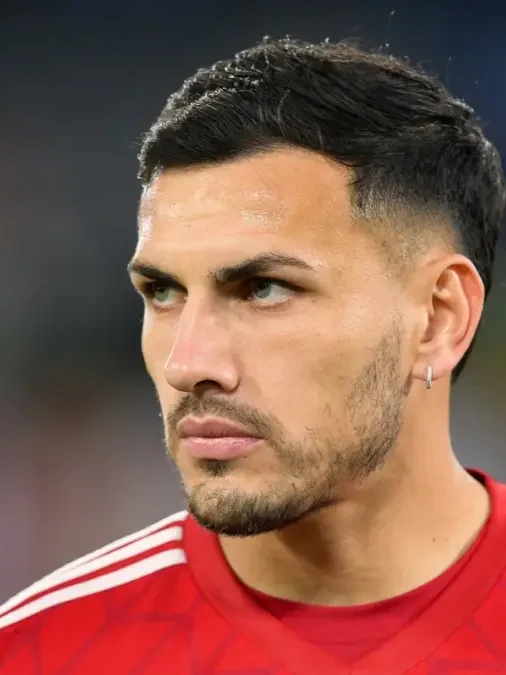
There was also a physical altercation on the pitch following the final, when Argentina’s Leandro Paredes shoved Spanish players.
Infantino also said that “Iran entered the US without incident or conflict,” despite the team being forced to relocate its training base to Mexico, which caused several logistical issues for the squad.
Other claims were partially true but perhaps don’t tell the full story. Infantino suggested that countries “facing serious health issues or other challenges were granted visas,” and while nations such as Haiti and DR Congo did receive visas, entry restrictions were a significant problem at the tournament.
Somali referee Omar Artan was denied entry to the US just days before kickoff, and supporters and officials from several other nations also reported visa complications that affected their ability to attend matches.
His post also addressed one of the most widely reported controversies of the tournament, and one of the main reasons some critics have called for him to step down, which was the Folarin Balogun red card decision.
FIFA cleared US Men’s National Team striker Balogun to play against Belgium in the last-16 by suspending the automatic ban that follows a red card, days after US President Donald Trump called Infantino to demand a review.
The Disciplinary Committee invoked Article 27 of the FIFA Disciplinary Code, placing Balogun’s one-match suspension on a year’s probation, allowing him to play. Trump later thanked FIFA on Truth Social for “reversing a great injustice”.
In the post, Infantino wrote, “‘arguable’ referees’ decisions or ‘strange’ disciplinary rulings such as for instance potentially mistaken red or yellow cards or subsequent decisions not to ban players in certain situations are routine and widely accepted in some of the biggest leagues worldwide.”
UEFA has repeatedly disagreed with this stance, stating that FIFA’s actions had “crossed a red line” and calling it an “unprecedented, incomprehensible and unjustifiable decision.”