


Como will revoke season tickets after more than three unexcused absences. Premier League clubs imposed usage rules a year ago…
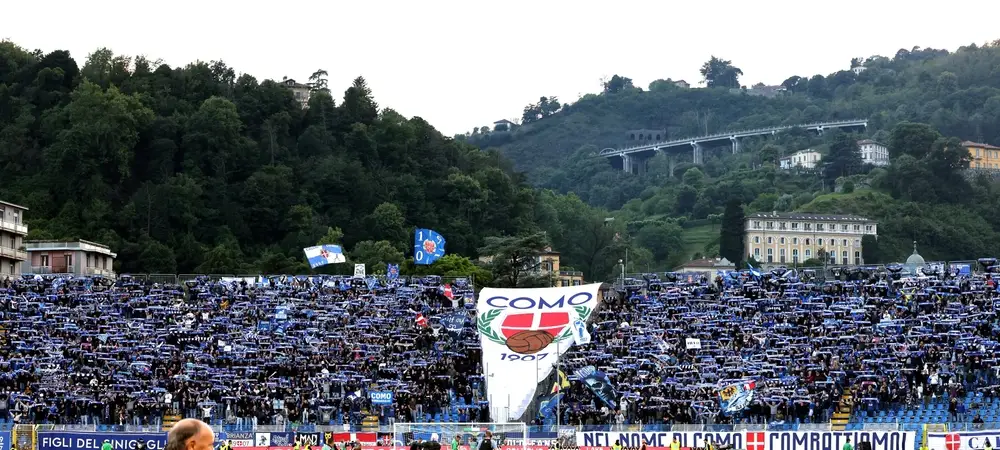
When Serie A moved one of Como‘s fixtures to an awkward kick-off time, supporters answered with a banner draped across the empty seats; with words (in Italian) to the equivalent of – “Sorry lads, we were at work.” Those same fans learned this week unexcused absences for season ticket holders now comes with a punishment.
Season ticket holders “who miss more than three home matches without what it considers a valid reason risk having their season tickets revoked,” the club said in a statement on Monday, which also bans opposition shirts and scarves anywhere in the stadium except the away section and permits absent fans to escape sanction only by informing the club in advance, or by transferring the ticket to a close family member in justified circumstances.
The rationale for this, as President Mirwan Suwarso said in a club announcement, is to meet growing ticket demand. “Demand for tickets far exceeds supply and, for that reason, I asked the club to find ways to ensure tickets for the [Giuseppe Sinigaglia stadium] end up in the hands of genuine Como supporters – those who want to be there to back the team,” he said, adding too many opposition fans had found their way into home sections for matches against Inter and AC Milan.
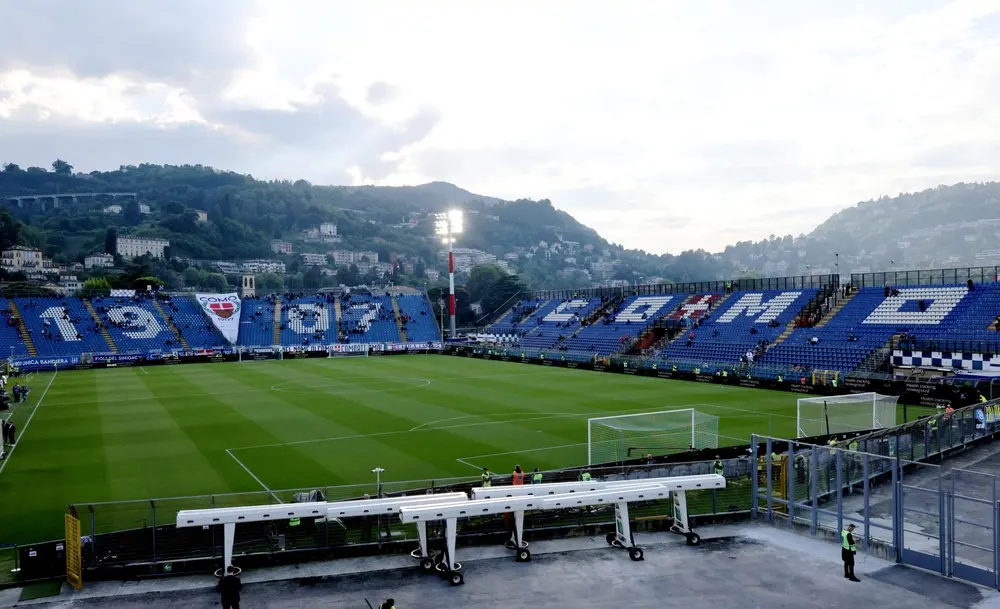
The Sinigaglia, wedged between Lake Como and the city’s rowing club, holds fewer than 14,000 people, and the team inside it – promoted in 2024 after 21 years outside the top flight, transformed under Cesc Fàbregas – has just qualified for the Champions League for the first time in the club’s history.
Demand was already outrunning supply before Europe’s richest competition arrived on the fixture list; the club prices single-match tickets by opponent, kick-off and section because every game is now oversubscribed on tickets.
The local paper, La Provincia, fielded dozens of calls and emails from supporters worried about illness, weather and jobs which involve travel. The club has since called the row a “misunderstanding”, exempting children from the rules and promising further clarification.
Como’s new rule, but the Premier League got there first
English fans reading about Como with raised eyebrows might do well to check their own renewal terms. These same rules have been operating in the Premier League for a full season, written not into press releases but into the conditions attached to the seat.
Liverpool‘s “Every Seat, Every Game” policy demands that a season ticket be used for at least 15 of 19 home league games, on pain of losing the right to renew – though a ticket listed on the club’s official exchange counts as used whether or not anyone buys it.
Previously, English clubs built their rules around utilisation rather than attendance, so a fan who cannot go discharges the obligation by forwarding the ticket or returning it for resale, and the club captures the transaction. Liverpool has kept the policy for 2026/27 and will extend it to hospitality members from 2027/28.
Chelsea has a similar policy, requiring 13 games’ utilisation and ID verification for purchases after finding supporters buying tickets purely to harvest loyalty points, with no intention of attending.
Manchester City‘s numbers show how fans use that flexibility. The club investigated how away supporters kept surfacing in home ends and disclosed the findings to its fan network: at an average home league game, 15% of members transfer their ticket, 10% list it on the exchange and 8% do not show.
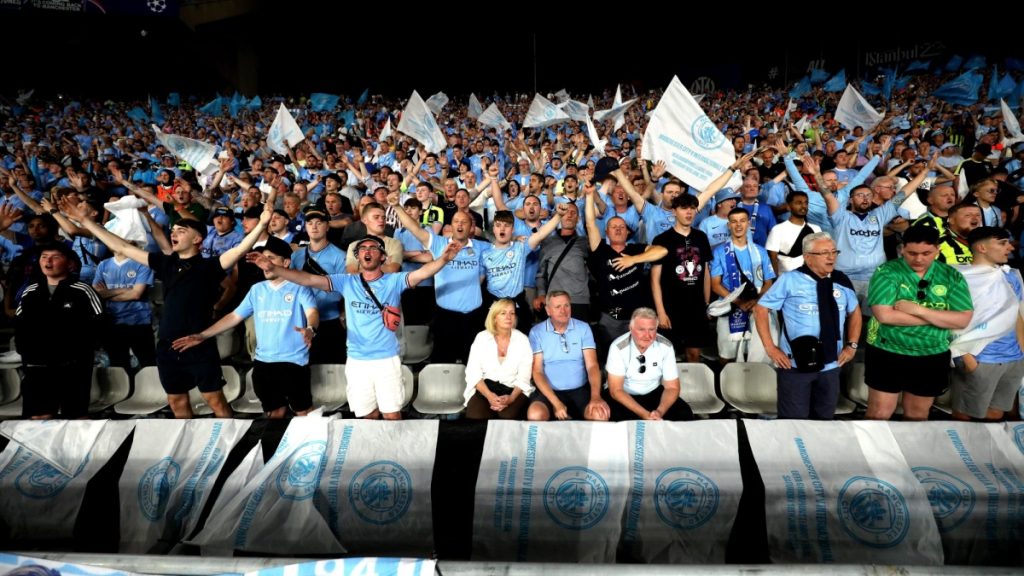
The inquiry finished with 165 accounts banned for touting, 354 suspended and 223 under watch. A BBC investigation the same season found tickets for sold-out Premier League fixtures freely available on unauthorised resale sites, raising safety concerns about fans ending up in the wrong sections. Como’s stated target – strangers in the home sections – is the one City’s touting investigation pursued.
Same problem, harsher instrument
Set beside all this, Como’s rule is not an alien invention but a blunter cut of the same cloth. An English absence generates revenue in-season, routed through an official exchange; a Como absence generates a sanction at renewal, judged against a “valid reason” the club alone defines, with no resale mechanism published alongside it.
Seats recovered from revoked tickets would presumably return to sale at those variable matchday prices – an inference from the pricing structure, since the club has said nothing about reallocation. Nor does the rule court the tourist trade, whatever the optics of a sold-out ground on Lake Como suggest: Suwarso’s stated purpose is to keep seats away from neutrals and visitors, not to free inventory for them.