


With football punditry at an all-time high, clubs are ramping up how they handle external commentary.
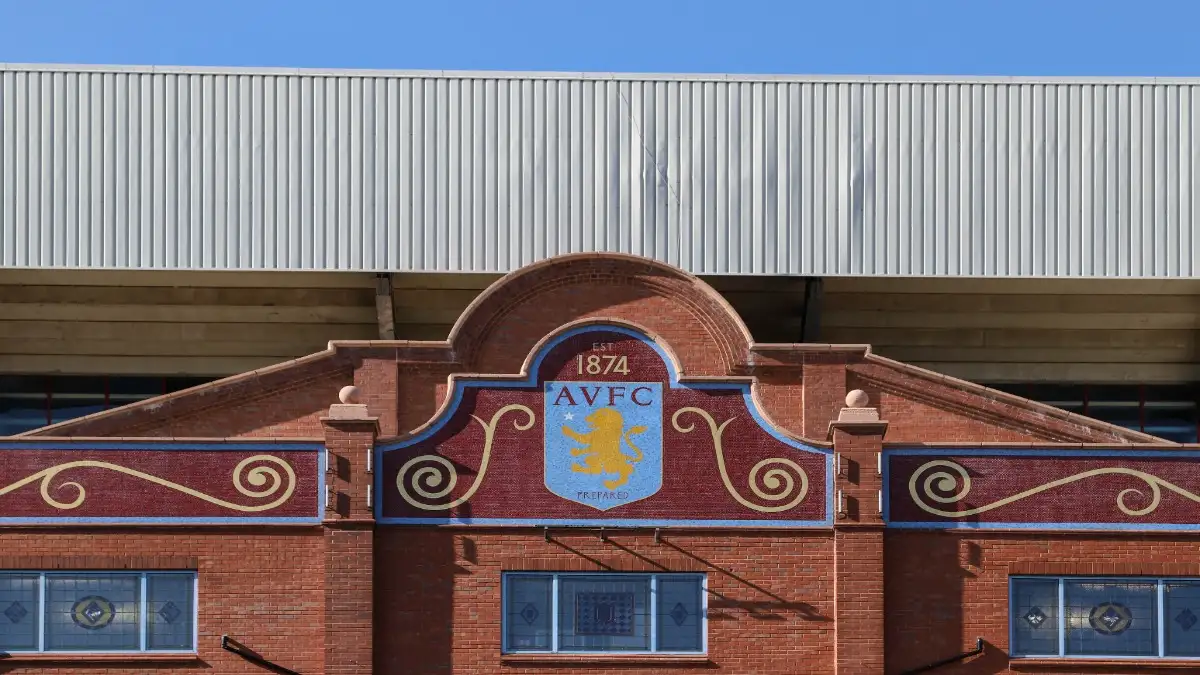
Aston Villa has dropped its planned legal action against former Liverpool defender Jamie Carragher following his apology.
In a bizarre situation, Nassef Sawiris, Chairman of Aston Villa, posted that the club would be opening legal proceedings against Carragher for comments he made during a recording of the Stick to Football podcast.

In the episode, the Sky Sports pundit questioned Aston Villa’s standing compared to other English football’s biggest clubs, stating that “Aston Villa will never be Manchester United”.
Carragher made the claim while discussing the possibility of Aston Villa’s manager, Unai Emery, joining the Manchester club.
He explained football operates within an established hierarchy, with the biggest clubs able to attract the best players and managers from below, saying that Aston Villa would be below Manchester United in this scenario.
Using Cristiano Ronaldo‘s 2009 transfer from Manchester United to Real Madrid as an example, Carragher suggested Emery would eventually want to leave Aston Villa for another opportunity at a bigger club.
He acknowledged that his argument might upset the club’s supporters before delivering his assessment of their position in English football.
“I’m not trying to annoy Villa fans, but there is a chain in football, whether you like it or not,” Carragher said.
Aston Villa escalates the situation
On 30 October, Aston Villa published a statement on X announcing its intention to take Carragher to court.
“Aston Villa will initiate legal action against Jamie Carragher for his unacceptable insults about the Club and its fans,” it said.
The statement, signed by Sawiris, added: “Aston Villa will not allow anyone to stop our ascension in English and European football.”
The club didn’t explain what legal grounds it believed it could pursue, making it unclear whether the threat concerned alleged defamation or another potential claim, particularly given that Carragher had been expressing an opinion about the club’s position in the game.
It’s not the first time a Premier League club’s ownership has threatened legal action over pundit criticism. Nottingham Forest owner Evangelos Marinakis took legal action against Sky Sports following comments made by Gary Neville about his conduct during a match involving Forest.
The dispute escalated when Forest subsequently banned Neville from its stadium, with the pundit continuing to face restrictions on his access to the club.
Before such disputes reached the courts, one of the most notable examples of a football figure taking issue with media coverage was Sir Alex Ferguson‘s boycott of the BBC. Ferguson refused to give interviews to the broadcaster for several years following a documentary that included allegations about his son’s business dealings.
Perhaps looking to avoid a similar situation to Neville, Carragher apologised on 31 October, saying his language had been “clumsy and wrong”. He explained the comments were meant to be tongue-in-cheek but acknowledged why supporters took offence.
Aston Villa accepted the apology and dropped its legal threat on 2 November.
Was Carragher wrong about Aston Villa?
The incident, which has drawn a lot of attention mainly due to the threatened legal action, raises a question about the responsibility of football pundits when discussing clubs, players and managers.
Controversial opinions are nothing out of the ordinary in modern-day sports broadcasting. Strong claims generate debate, attract viewers and encourage engagement.

Former Watford striker Troy Deeney, for example, attracted criticism after questioning whether Mohamed Salah deserved to be considered world-class during appearances on BBC Sport and talkSPORT. His perspective included an argument that Salah’s new haircut made him look “double-hard” on the pitch.
Former Aston Villa striker Gabby Agbonlahor has also regularly attracted criticism for his comments, including describing Manchester United as “amateurs”. His remarks have previously led former Liverpool Manager Jürgen Klopp to publicly challenge the responsibility of ex-players working as pundits.
Carragher’s argument, however, is arguably more grounded than the aforementioned examples.
Manchester United are a larger commercial operation than Aston Villa, with greater global reach and higher revenues. The club’s trophy record is also stronger, despite Aston Villa arguably achieving more success in the past couple of seasons on the pitch.
The point about managers moving up the football hierarchy also has precedent, with Graham Potter leaving Brighton & Hove Albion for Chelsea in 2022 after establishing himself as one of the Premier League’s more promising coaches.
While this doesn’t mean Emery would leave Aston Villa for Manchester United, or that Villa cannot eventually compete with the traditional elite, his argument isn’t outrageous by any means.