


US regulators have launched a formal investigation into FIFA’s World Cup ticketing practices amid mounting criticism over soaring prices, dynamic pricing models and concerns around fan accessibility ahead of the 2026 tournament.
Attorneys general in New York and New Jersey have subpoenaed FIFA as part of a formal investigation into the governing body’s World Cup ticketing practices, escalating scrutiny around pricing, seating allocations and consumer transparency ahead of the 2026 tournament.
In a joint announcement, New York Attorney General Letitia James and New Jersey Attorney General Jennifer Davenport confirmed subpoenas had been issued relating to ticket sales for matches taking place at MetLife Stadium, including the 2026 FIFA World Cup Final.
According to the attorneys general, the investigation is examining allegations related to misleading seating descriptions, changes to ticket categories after purchase, dynamic pricing practices and what officials described as “fake scarcity” tactics.
The regulators said some consumers who purchased premium Category 1 tickets were later reassigned to Category 2 seating locations, while others faced significant price increases during the sales process.
“Fans saving up to witness the biggest sporting event in the world should not be tricked into paying more than they were promised,” said James.
The offices have also encouraged supporters to formally submit complaints regarding ticket purchases connected to the tournament.
The probe represents one of the most significant regulatory interventions yet into the commercial operation of the 2026 FIFA World Cup, which is being jointly hosted by the US, Canada and Mexico.
Ticket prices dominate pre-tournament conversation
The investigation arrives amid growing scrutiny over the cost of attending matches at the expanded 48-team tournament.
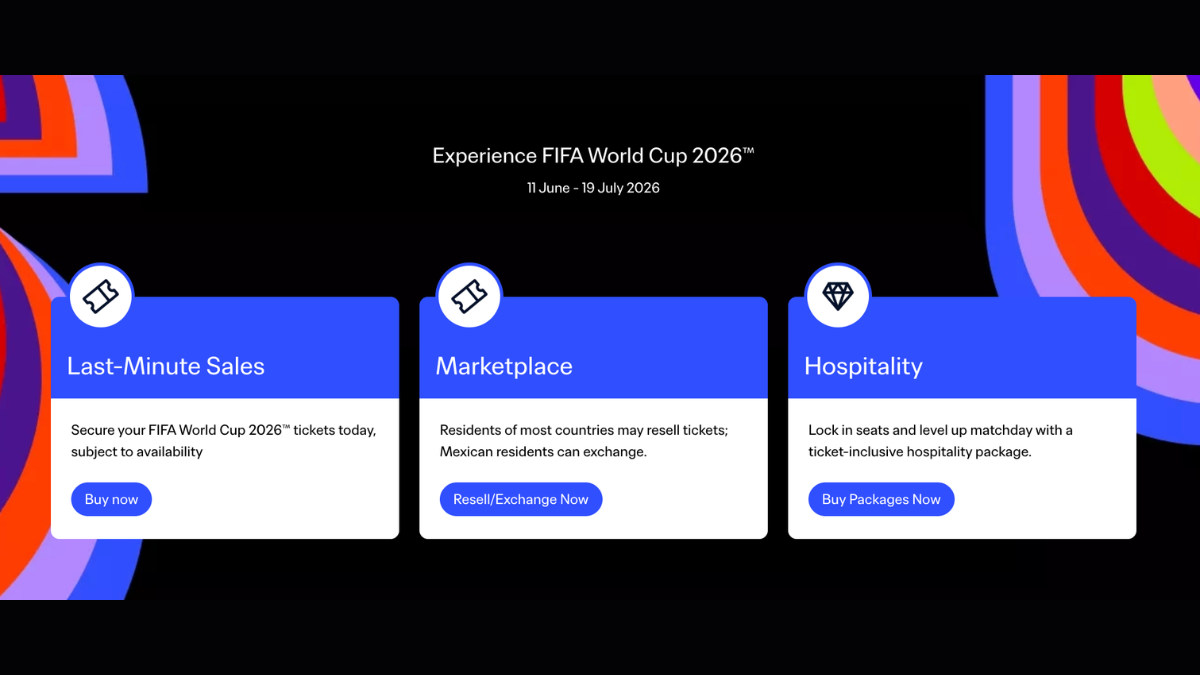
FIFA has adopted a dynamic pricing model for the 2026 World Cup, allowing ticket prices to fluctuate based on demand in a similar fashion to airline tickets and major live entertainment events.
The pricing strategy has become one of the defining talking points of the tournament’s build-up, particularly in the United States where FIFA is targeting record commercial revenues from the competition. According to TIME Magazine, upper-tier tickets for the US’ opening match against Paraguay at SoFi Stadium reached face-value prices of $1,940 during May.
An investigation by Insider Sport last year revealed how much it would cost a Scottish supporter to go to the contest. Despite Gillette Stadium’s 65,000-seat capacity, Scotland’s official supporter allocation for matches against Haiti and Morocco in Boston sits at fewer than 4,000 tickets per game. Using FIFA’s Supporters Value Tier pricing, tickets for those two group-stage matches alone total around $400, before flights and accommodation are considered.
Travel costs quickly escalate further. A one-way flight from Glasgow to Boston currently costs around $800, while hotel prices in Boston have surged ahead of the tournament. Analysis reported by The Athletic found average nightly hotel rates around the Scotland–Haiti fixture had risen from roughly $425 to as much as $1,200.
For supporters hoping Scotland progress into the knockout stages, costs climb even higher. A potential Round of 32 fixture in Monterrey, Mexico would add further flights, accommodation and ticket expenses, taking the estimated total spend for one supporter to well beyond $6,000 before food and local transport are factored in.
On FIFA’s official resale platform, the cheapest ticket listed for the World Cup Final at MetLife Stadium was reportedly priced at $9,200, while another seller listed a seat at more than $11m.
FIFA’s resale marketplace has also drawn criticism for charging fees to both buyers and sellers, further increasing transaction costs for supporters.
The organisation has defended its approach in previous comments by arguing that resale demand in the United States would inevitably push prices higher on secondary markets regardless of initial sale prices.
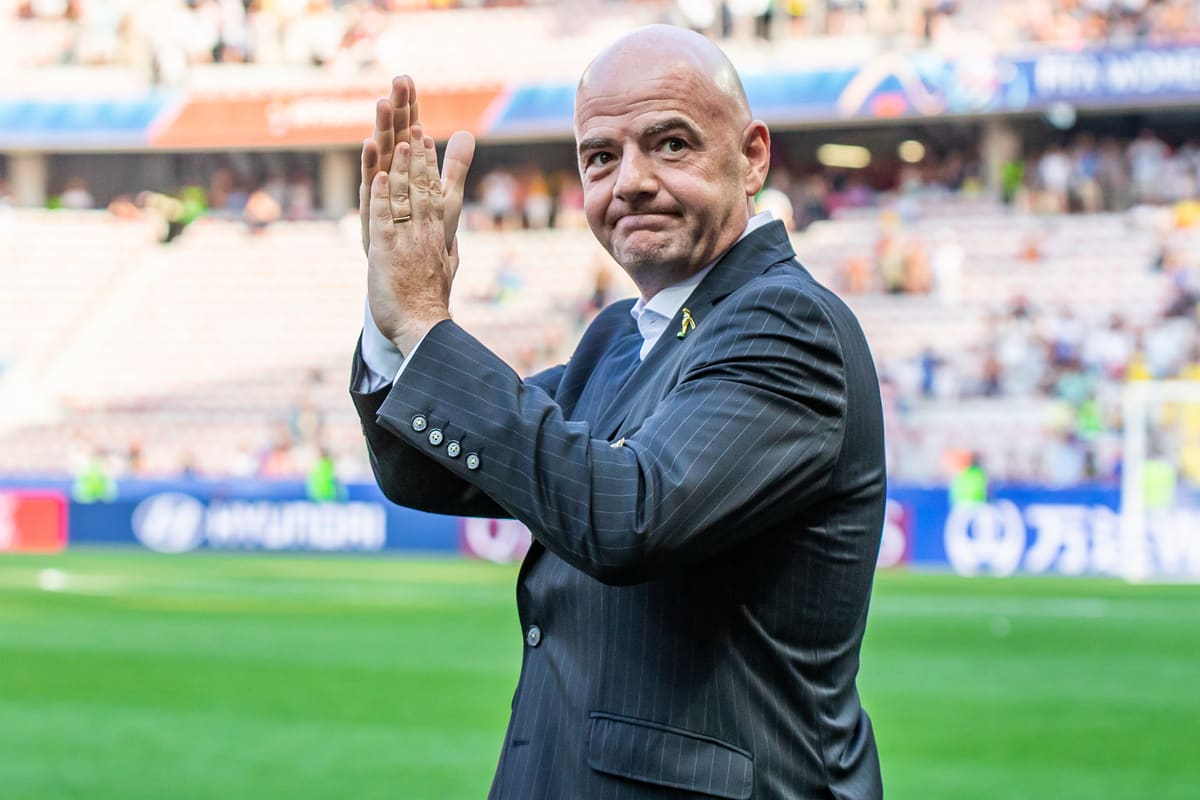
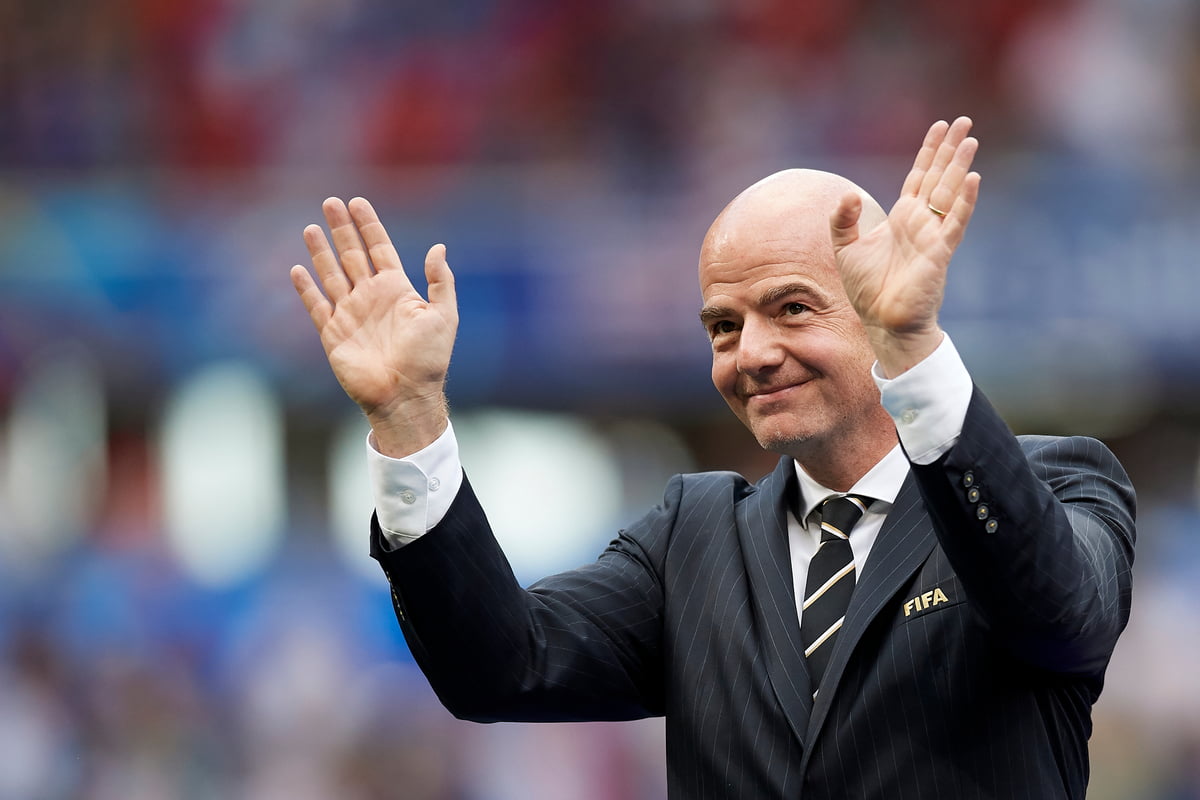
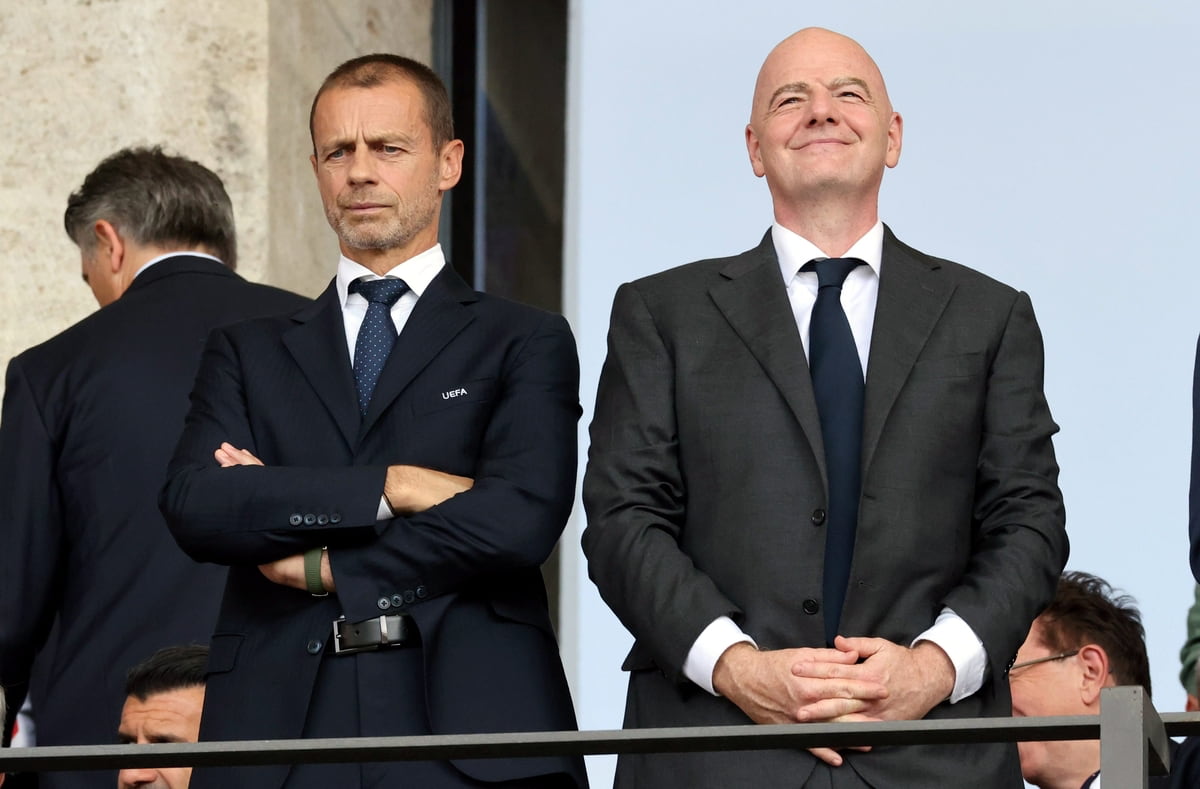
FIFA President Gianni Infantino has repeatedly emphasised the commercial scale of the 2026 World Cup, which is expected to become the most lucrative tournament in the competition’s history due to the expanded format and increased number of matches.
Accessibility concerns emerge for host cities
The mounting cost of attending matches has also triggered wider debate around fan accessibility and the economic assumptions underpinning host city investment.
Earlier this year, New Jersey Transit faced backlash after announcing a temporary increase in train fares for supporters travelling to MetLife Stadium during the tournament. Round-trip prices from Manhattan were initially set at $150 before later being reduced.
At the same time, concerns have begun to emerge around whether pricing levels could ultimately dampen international tourism demand.
TIME reported a survey conducted by the American Hotel & Lodging Association found that almost 80% of respondents across US host cities believed bookings were tracking below expectations.
The concerns reflect a broader tension increasingly visible across global sport between revenue maximisation strategies and fan accessibility, particularly as governing bodies and rights holders continue to expand hospitality offerings and premium inventory. For FIFA, however, the commercial success of the 2026 World Cup remains central to its wider growth ambitions.
The tournament will feature 48 national teams for the first time, increasing the number of matches from 64 to 104 and significantly expanding sponsorship, hospitality and ticketing inventory across North America.
The investigation by New York and New Jersey regulators now places part of that commercial strategy under direct scrutiny less than a month before the tournament begins.