



Questions about football’s 3pm blackout are being asked of Richard Masters, CEO of the Premier League, and UK Prime Minister Andy Burnham.
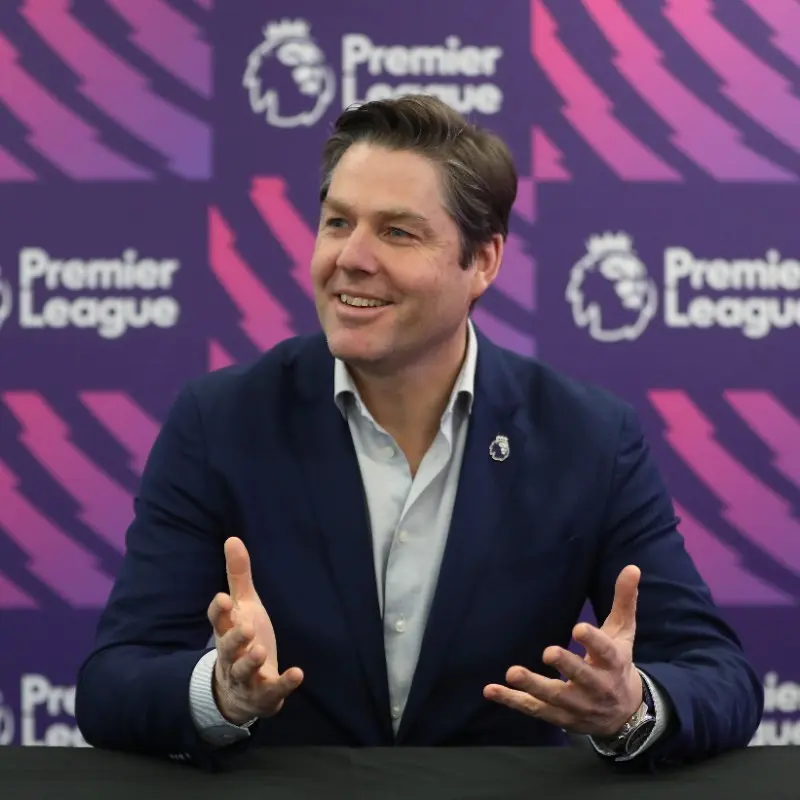
Premier League CEO Richard Masters addressed the Premier League’s 3pm blackout in an interview with talkSPORT earlier this week, as pressure mounts on the league to reconsider the broadcasting restriction.
Article 48 prevents matches from being broadcast in the UK between 2.45pm and 5.15pm on Saturdays, a rule introduced in the 1960s to protect matchday attendances by stopping fans from watching matches at home.
Speaking to talkSPORT, Masters said that any change to the rule wouldn’t be down to only the Premier League.
“Yes, but it’s not just us involved in the decision about Article 48. It’s us, the EFL and the FA,” Masters said.
“We’ve got to take that decision at some point in the future about whether things are going to change. It’s not a decision for now. It’s a decision we’ve got to make before the next set of domestic processes that the EFL and the Premier League are going to do.”
Masters suggested that any resolution is still some way off, predicting that they will come back to the decision on whether Article 48 should remain or not in around 18 months.
Premier League+ paves the way
Before Article 48 was brought up in conversation, Masters discussed the league’s move into direct-to-consumer streaming through Premier League+, which launches in Singapore this season via a six-year partnership with StarHub.
“Within 12 months, we’ll be able to announce what the revenue is from 2028-2029 onwards,” Masters said. “In Singapore, we’ve just launched Premier League+, which is our first venture into direct-to-consumer.
Masters explained that the Singapore launch gives the league an idea of how the product can be improved and possibly expanded to other markets.
“We’ll learn from that. It’s the first time we have our own customers. We’ve got to manage churn, we’ve got to set prices. We’re doing that and we’ll learn an enormous amount from it,” he said.
“When you look into the future with Premier League Studios and Premier League+, it does give us greater optionality.”
Shots fired at Andy Burnham
Bournemouth East MP Tom Hayes also joined the trend this week by writing a letter to Prime Minister Andy Burnham in which he urged him to scrap the policy. Since becoming PM, Burnham has emphasised his support for football, in particular Everton FC.
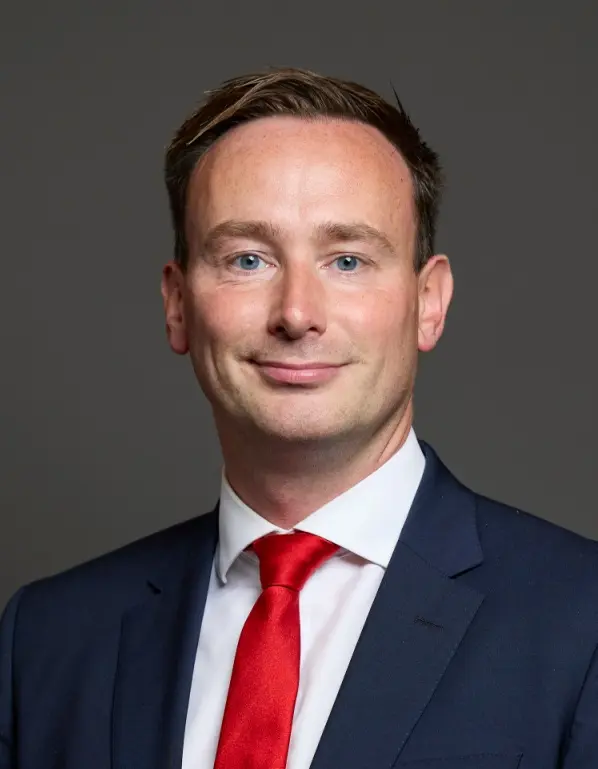
“You have already stood up for fans against the corporate giants interested only in profit,” Hayes wrote. “I’m now asking you to go further and end the hated 3pm blackout.
“The 1960s-era law that stops matches from being broadcast on television between 2.45pm and 5.15pm on Saturdays is a relic of another time. It was meant to get fans through the turnstiles. These days, they just get around it by finding illegal livestreams online.”
Hayes highlighted the government’s recent record on football reform as grounds to go further, noting the Football Governance Act 2025 and the introduction of an Independent Football Regulator.
“I now urge you to build on this progress and consign the 3pm blackout to history,” he wrote.
Almost done deliberating?
From these two recent developments, it appears that the debate around keeping the 3pm blackout is nearing its conclusion. Fans got a sneak peek into what that future may look like last weekend, as 25 matches across the Championship, League One and League Two kicking off at 3pm were shown live on television.
Article 48 wasn’t enforced because it only applies when half of the matches in a country’s top two divisions are played at the same time, a threshold that wasn’t reached since the Premier League season starts this week – the same happened last season.
The rule was originally introduced to protect matchday attendances, on the basis that fans would rather stay home and watch on television than pay to attend games in person, especially at lower-league clubs more reliant on revenue from gate receipts than broadcast.
Supporters of preserving Article 48 argue it still serves that purpose, protecting grassroots and lower-league attendances from the pull of live top-flight football.