


Scottish football has opened the door to scrapping the Saturday 3pm television blackout, but it doesn’t mean the restriction will disappear from English football.
The Scottish Professional Football League (SPFL) has invited broadcasters to submit proposals for its next domestic rights cycle, which begins in the 2029/30 season.
One part of the tender that has attracted attention is the possibility of live coverage extending to every match, including Saturday 3pm kick-offs, as reported first by SportBusiness.
Under Article 48 of UEFA‘s statutes, matches played during this period can’t currently be shown live on UK television, as it allows football associations to impose a broadcasting blackout.
However, as broadcasting revenue has become so vital at the top of the football pyramid, the blackout has drawn criticism for restricting clubs’ ability to generate additional income.
Some lower league sides have also noted the same critique, though there is some divide on whether the blackout helps or hurts them.
English football’s decision still to come
Scottish football’s invite to broadcasters has placed the spotlight on the ruling again and reports suggest that if it moves first it could pave the way for the same to happen in England.
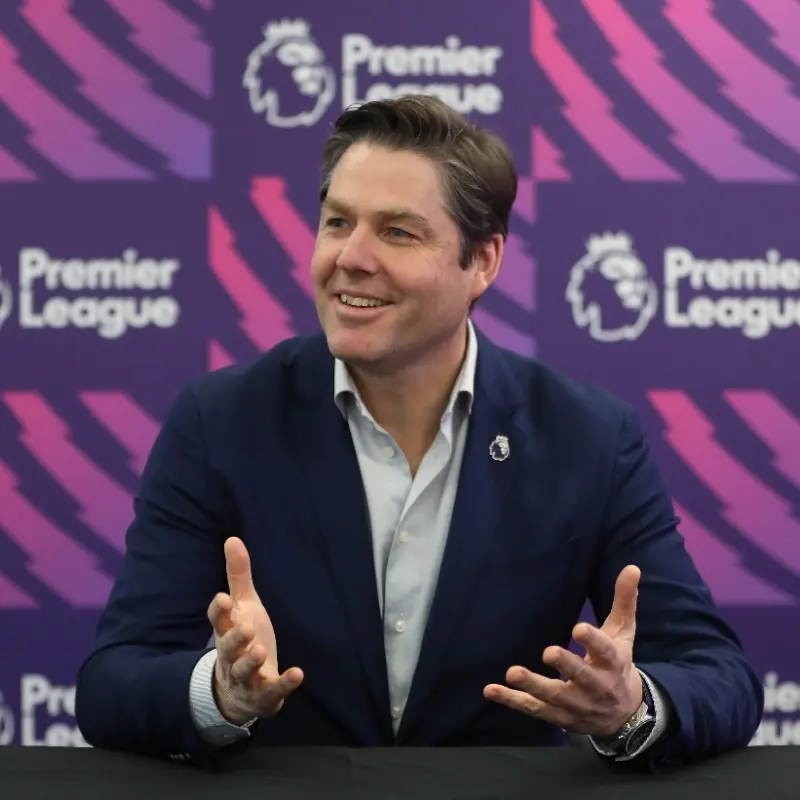
It’s a topic that seems to come up every few months, most recently in August, when Richard Masters, Chief Executive of the Premier League, discussed it in an interview.
Speaking to talkSPORT, Masters confirmed that the decision on whether Article 48 should remain would involve the Premier League, the English Football League (EFL) and the Football Association.
He said the issue would need to be revisited ahead of the leagues’ next domestic broadcasting processes, which happen to align with cycles of the EFL and SPFL.
However, Scotland’s tender doesn’t guarantee that its clubs will accept an offer covering every fixture.
Revenue opportunity vs. protecting attendances
The main argument for removing the blackout is commercial, creating an opportunity to sell additional matches to broadcasters and streaming platforms.
This point usually comes from the Premier League’s perspective, but in recent years teams in the lower divisions have pointed out that it would also create more opportunities for them.
Another reason the rule is under more scrutiny than ever is the surge in illegal streaming. Domestic fans are using devices to watch matches because of rising prices, fragmented rights, and the fact that all matches are available, including those played during the blackout.
/ Shutterstock.com
Broadcasters have noticed an impact on revenue, which in turn puts pressure on leagues to address the issue. While prices are unlikely to fall, access to watch all games could pull some viewers back to legal methods.
However, the traditional argument for retaining the blackout protects attendances by encouraging supporters to watch matches in person rather than from home.
Clubs outside the Premier League can be particularly dependent on matchday income, so increased broadcasting opportunities could come at a cost if supporters stay home.
Removing the restriction would therefore require football authorities to weigh potential gains in media revenue against the possible impact on attendances across the pyramid.
The topic has even made its way into politics in recent months, with Bournemouth East MP Tom Hayes writing a letter to UK Prime Minister Andy Burnham about the rule.
“You have already stood up for fans against the corporate giants interested only in profit,” Hayes wrote. “I’m now asking you to go further and end the hated 3pm blackout.
“The 1960s-era law that stops matches from being broadcast on television between 2.45pm and 5.15pm on Saturdays is a relic of another time. It was meant to get fans through the turnstiles. These days, they just get around it by finding illegal livestreams online.
“I now urge you to build on this progress and consign the 3pm blackout to history.”