


Manchester United’s revenues are rising, but so are costs.
Manchester United’s latest financial results show the club’s commercial wheels are turning, with record revenue despite the absence of European football.
Manchester United generated £677.6m ($895.8m) in revenue for the year ended 30 June 2026, up 1.7% from the previous record of £666.5m. Adjusted EBITDA also reached a record £216.4m, an 18.4% increase on the previous year.
The Premier League club’s commercial performance is arguably more significant given that the club missed out on UEFA competition, which has become an important revenue driver for European clubs.
The return of Champions League football this season therefore gives Manchester United another opportunity to build on its financial performance.
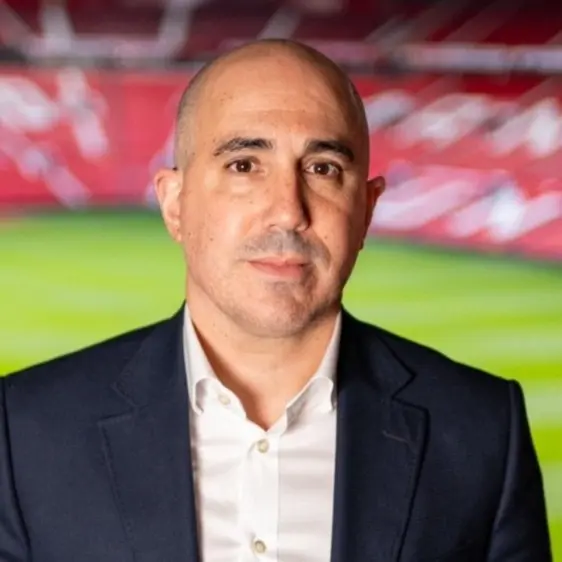
“We are pleased to have secured record revenues and adjusted EBITDA, which demonstrates the underlying strength of our business, particularly in a season without European football,” said Omar Berrada, CEO of Manchester United.
“This shows the direct impact of the work we have been doing over the past two years. It also proves Manchester United’s enduring popularity and commercial strength. While these results confirm that we are on the right trajectory, we will continue to take a disciplined approach to ensure our finances remain sustainable.”
Without European football and after an early exit from domestic cup competitions, United’s focus on the Premier League delivered an improvement on the previous campaign, with the men’s first team finishing third compared with 15th in 2024/25.
This improved on-pitch performance helped United move from an £18.4m operating loss to a £22.6m operating profit.
However, the headline figures do not tell the whole story, with the club recording a £43m loss for the year, compared with a £33m loss the previous year, while net finance costs more than tripled to £69.6m.
Manchester United’s money-making methods
Manchester United splits its revenue into broadcasting, matchday and commercial, with the latter being the club’s biggest source of income.
According to the report, the club generated £317.3m from commercial activities during the 2025/26 financial year, accounting for 46.8% of total revenue.
However, commercial revenue fell 4.8% year-on-year, with sponsorship income dropping 14.8% to £160.5m. This was partially offset by an 8.2% increase in retail, merchandising, apparel and product licensing, which generated £156.8m.
The decline in sponsorship revenue was linked to the end of United’s previous training kit agreement with Tezos, which was worth a reported £24m per season. The club’s sponsorship revenue subsequently fell by £27.9m during the financial year.
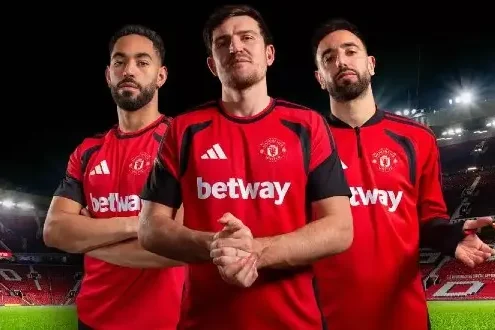
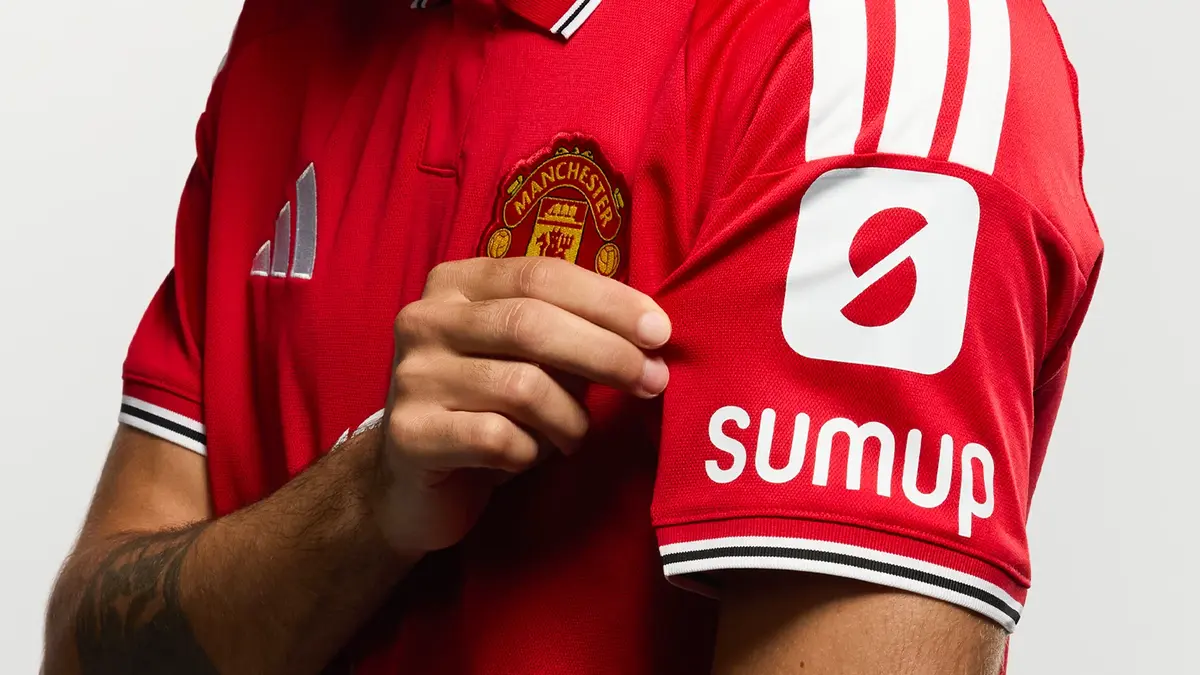
Manchester United has since looked to rebuild that part of its commercial portfolio, agreeing a new multi-year deal with Betway to become its official training kit partner for the men’s and women’s teams. Fintech company SumUp has also joined the club as its official sleeve partner.
Broadcasting was the club’s second-largest revenue stream, generating £206.8m and accounting for 30.5% of total revenue. This was also the fastest-growing area of the business, increasing 19.6% year-on-year.
Matchday revenue contributed £153.5m, making up 22.7% of total revenue. However, this was down 4.2% from the previous year, with United playing 10 fewer home matches during the campaign.
Strong demand for general admission and hospitality offerings helped offset some of the reduction, but the return of European football should provide another opportunity to increase matchday and broadcasting income.
Manchester United is forecasting total revenue of between £740m and £760m for the 2026/27 financial year.
Shining a light on the darker side
Despite the record revenue and improved operating performance, Manchester United made a loss during the financial year. The club reported a £43m net loss for 2025/26, compared with a £33m loss the previous year, with net finance costs more than tripling from £21.2m to £69.6m.
Results look significantly worse when taking into account its borrowings, which have always been a concern for supporters. Manchester United’s non-current borrowings stood at £577.6m at the end of June, up from £471.9m a year earlier, while current borrowings totalled a further £111.4m.
The club also had £67.2m in cash and cash equivalents at the end of the financial year, down from £86.1m.
Looking at where this money is being spent, United has stated that it’s committing funds to its infrastructure plans. The club spent £85.9m on property, plant and equipment during the year, including £63.5m on land acquired for its proposed new 100,000-capacity stadium.