


The Premier League’s gambling shirt ban was meant to clean up football, but Kieran O’Connor argues it has only made the mess worse.
Where were you on 13 April 2023?
The chances are that you can’t remember, because nothing interesting has ever happened on a Thursday other than when Manchester United play in the Europa League, and even that’s debatable.
However, it is a date that will go down in the history of football.
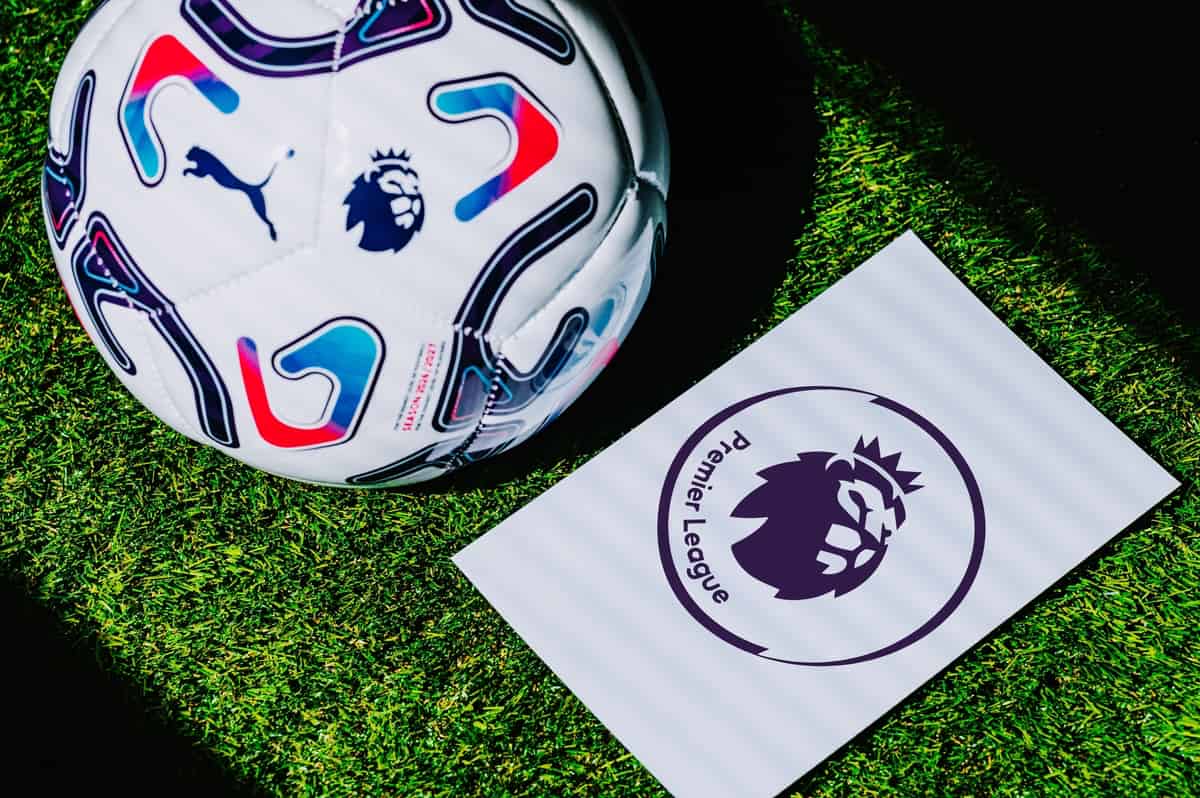
On 13 April 2023, the Premier League published a statement announcing a voluntary ban on gambling sponsorship on the front of matchday shirts, starting in the 2026/27 season.
Gambling has become synonymous with football, and some people feel it has gone too far. There were calls for a complete, blanket ban on sports betting ads. However, the government and the Football Association (FA) were unwilling to go as far as Spain and Italy.
Why? Because gambling operators have always been willing to throw absurd amounts of cash at deals. This might not be a dealbreaker for a global titan like Manchester United (more on them in a moment), but every single penny counts in the lower leagues.
English football compromised. The Premier League would voluntarily take the bullet, gesturing to lawmakers that it was doing the right thing while the English Football League (EFL) was left untouched.
By no means was the decision met with a standing ovation. It was more a pat on the back. However, those who applauded the loudest back then are probably looking to give the Premier League a kick up the backside after watching what has happened since.
Deals, deals and more deals
There’s a lot of talk right now about the upcoming Premier League season, which makes sense considering it’s the first year the ban actually takes effect. But the real chaos started the second the rule was announced.
Back in July 2023, Insider Sport interviewed Bill Mummery, CEO of Celton Manx Limited, after the firm’s betting brand SBOTOP signed a front-of-shirt deal with Fulham, just weeks after the phase-out was announced.
When asked why they’d jump into bed with a club after the announcement, Mummery delivered a great line:
“Simply put – because it works.”
Was the agreement illegal? No. Was it cynical? Yes. Does announcing a ban only to trigger an immediate, desperate avalanche of the exact thing you’re trying to stop count as a monumental failure? I would say so.
What followed was three years of unprecedented revenue-grabbing. Clubs realised they had a ticking clock to squeeze maximum value out of the bookies, and betting companies were more than happy to oblige, handing out record-breaking sponsorship fees to lock in prime real estate before the door slammed shut.
Aston Villa secured a massive deal with Betano. Wolves brought in DEBET. Crystal Palace unveiled NET88. Burnley locked in 96.com, and Bournemouth signed a club-record agreement with Asian platform bj88.

Throw in Nottingham Forest, Everton and Leicester, and without boring you by reading out the entire league table, almost everyone got their slice of the pie.
Were these brands breaking the law? No. Was there a strange trend going on? Yes.
Not only was the sheer volume of betting logos staggering, but there was a sudden influx of Asian platforms that weren’t legally accessible to UK consumers.
If the entire point of banning gambling sponsors is to protect vulnerable domestic fans from harm, directing them toward offshore platforms with zero UK Gambling Commission oversight is, in football terms, an own goal.
Sure, part of the rules were that UK citizens “can’t access them online.” But ask La Liga President Javier Tebas about the magical powers of VPNs and I am sure he will tell you the internet doesn’t really care about borders or rules.
I’d even say this gold rush harmed the lower leagues.
In what is perhaps the best scoop of my career to date, I uncovered Birmingham City’s bizarre deal with God88, a platform that turned out not to be licensed by the regulators it claimed to be backed by. It resulted in the club erasing every trace of the arrangement from the internet.
I still haven’t forgotten about that deal, Birmingham City, even if you did ignore my requests for comment.
Life after the ban
Here we are in 2026 and, without breaking the fourth wall too much, I am actually writing this on a Thursday, so I guess interesting things do happen on Thursdays after all.
The ban is officially active. You might be tempted to forgive the chaotic rush of the last three years as clubs got one last hurrah, but the new reality is just as much of a shambles.
Remember that seed I planted earlier about Manchester United? Well, I’ve watered it, sat it in the sun and watched it grow into a record Betway training-kit sponsorship.
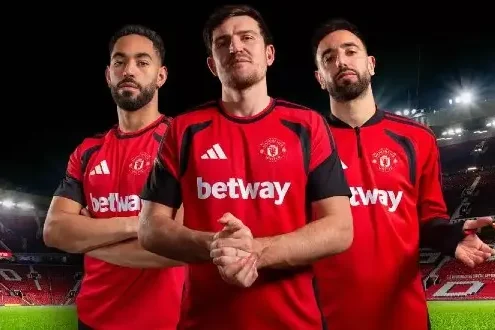
Yes, that’s right. The rule that was supposed to clean up football only bans gambling logos from the front of matchday shirts and doesn’t touch sleeve sponsors or training wear. By banning front-of-shirt deals, the Premier League turned training kits into prime real estate.
Today, players wear training gear for pitch walks, warm-ups, press conferences, press photos and 90% of the daily behind-the-scenes TikToks and Instagram reels. In terms of raw screen time, a training kit sponsor more than likely gets more eyes on it throughout a week than a matchday shirt during 90 minutes on a Saturday.
Look at Betano. They’ve gone from a single front-of-shirt deal with Aston Villa to a sleeve deal with Villa and a training-kit package with Tottenham Hotspur.
Are betting companies spending less on football? Hardly. Will they have even more exposure this season? Almost certainly.
When I cover these commercial deals, it is usually the smaller clubs because they need the cash to compete in the Premier League. Yet here we are after the ban and one of the biggest sporting giants on the planet has signed on the dotted line.
Yes, I know they have had gambling partners before, but have they ever had a gambling training kit sponsor?
Wiping the worktop
The Premier League’s front-of-shirt ban may have been a genuine attempt to reduce the number of betting sponsors in football, but it obviously wasn’t thought out well enough.
It’s like trying to wipe tomato sauce off a kitchen worktop with a damp paper towel because the worktop isn’t getting any cleaner; you’ve smeared it and somehow ended up with sauce all over your sleeves.