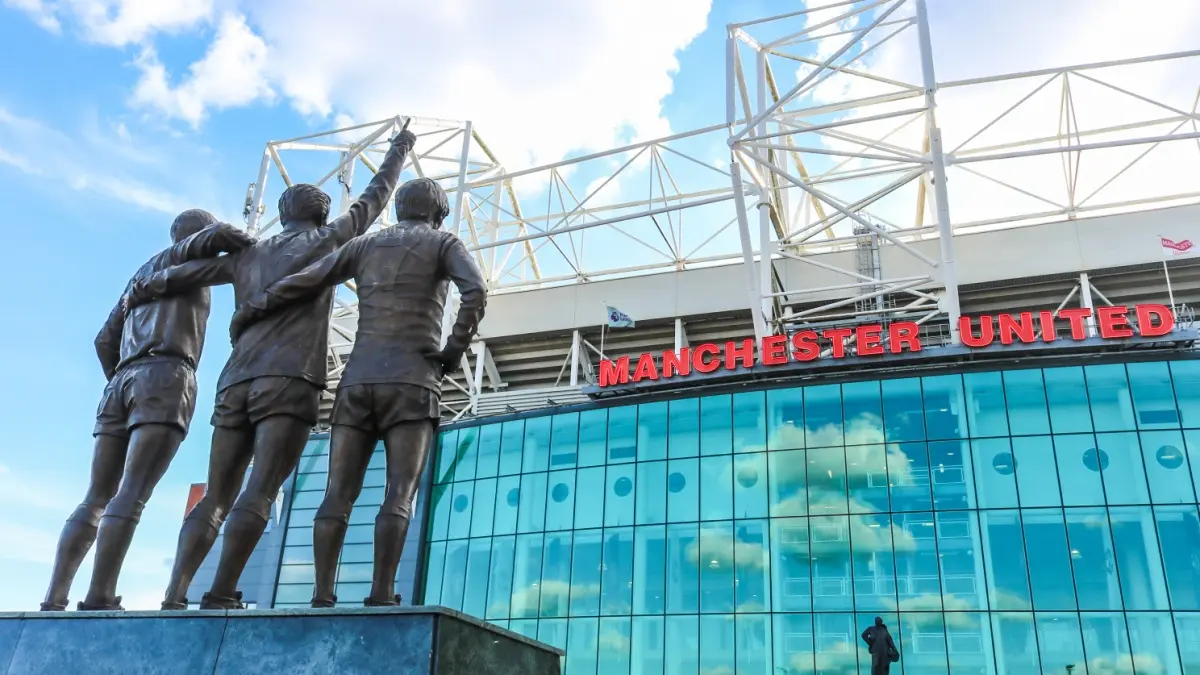



Manchester United has joined the Premier League trend of securing training kit sponsorships with gambling companies.
Manchester United has signed a multi-year agreement with Super Group that will see Betway become the club’s exclusive global betting partner.
The deal, beginning in the 2026/27 season, puts Betway’s logo on the training kits of Man United’s men’s and women’s teams, as well as further brand visibility across Old Trafford and the Progress with Unity Stadium.
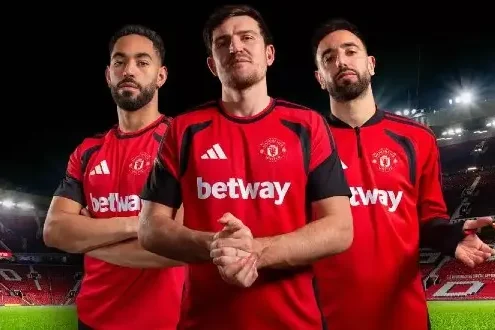
“The scale of our exciting new partnership reflects our growth strategy, the enduring global strength and appeal of Manchester United, and our ability to attract leading brands that want to engage with our vast worldwide fanbase,” said Marc Armstrong, Chief Business Officer at Manchester United.
“Betway are a world-renowned brand with significant presence across world sport. We look forward to working together to help accelerate their global ambitions and create new
A voluntary front-of-shirt gambling ban, set to come into force this season, has led betting companies to pivot towards secondary inventory such as sleeves and training wear which aren’t affected by the ban.
Everton, Aston Villa and Tottenham Hotspur have signed new or renewed gambling partnerships in recent months, with training‑ground content and social media clips expected to allow brands to gain exposure through the new logo locations.
Speaking to Insider Sport earlier this year, Joe Williams, Co-founder of agency WH Sports, said: “Sleeve placements, training kits and other rights are suddenly the most sought-after inventory and prices will reflect that heightened visibility.”
“The front of the shirt may go, but the commercial ecosystem doesn’t collapse. It reshuffles. Clubs won’t lose as much revenue as some feared; the value simply migrates elsewhere in the package.”
Is there an Africa play?
Despite Manchester United handing the title sponsorship to a global betting brand, the club’s strategy could be slightly weighted towards Africa.
In comments accompanying the club’s announcement, Neal Menashe, CEO of Super Group, said: “Manchester United’s global reach, particularly with their massive fanbase across Africa, aligns perfectly with our key markets.”
Super Group has made Africa a particular area of focus in recent years, reflected in marketing campaigns such as its collaboration with Afropop star Don Jazzy in Nigeria.
Sport has also been key to the company’s strategy, with active sponsorships across F1, international rugby union, cricket, basketball and tennis.
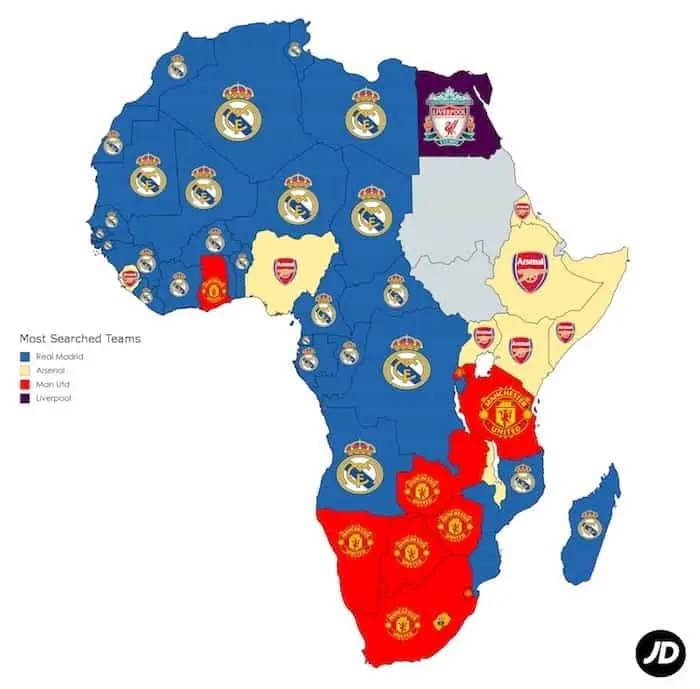
Partnering with Manchester United allows Super Group to gain global visibility while targeting African markets, where Premier League support is very strong. According to 2018 research by JD, Manchester United was the most searched football club in the southern region of the continent.
It’s also an opportunity for the club to reconnect with fans in the region who may have switched allegiances during a difficult decade following the exit of Sir Alex Ferguson.
The club has used partnerships to reach new markets before, most recently with Parimatch in 2025, which looked to bolster its presence across parts of Asia and the MENA region.
Visibility, value and Manchester United’s commercial direction
The financial details of the Betway agreement have not been officially disclosed, but earlier this year the Daily Mail reported that Betway paid a record £20m to become the club’s sponsor.
Manchester United has partnered with gambling companies in the past, but these relationships tended to be low‑profile, limited to regional betting rights or perimeter advertising.
Training‑kit branding is now one of the most visible sponsorship assets in football, appearing in club content, behind‑the‑scenes footage, player interviews and social media clips that reach hundreds of millions of followers.
A motivation for the move could be the club’s wider financial strategy, with the Premier League team exploring ways to fund a new stadium project expected to cost more than £2bn, and has faced criticism in recent seasons for cost‑cutting measures following Sir Jim Ratcliffe’s minority takeover.