


RL Commercial told Insider Sport earlier this year that the next five years could be “the most significant” in the sport’s modern era. It is now looking for a title sponsor for this vital period.
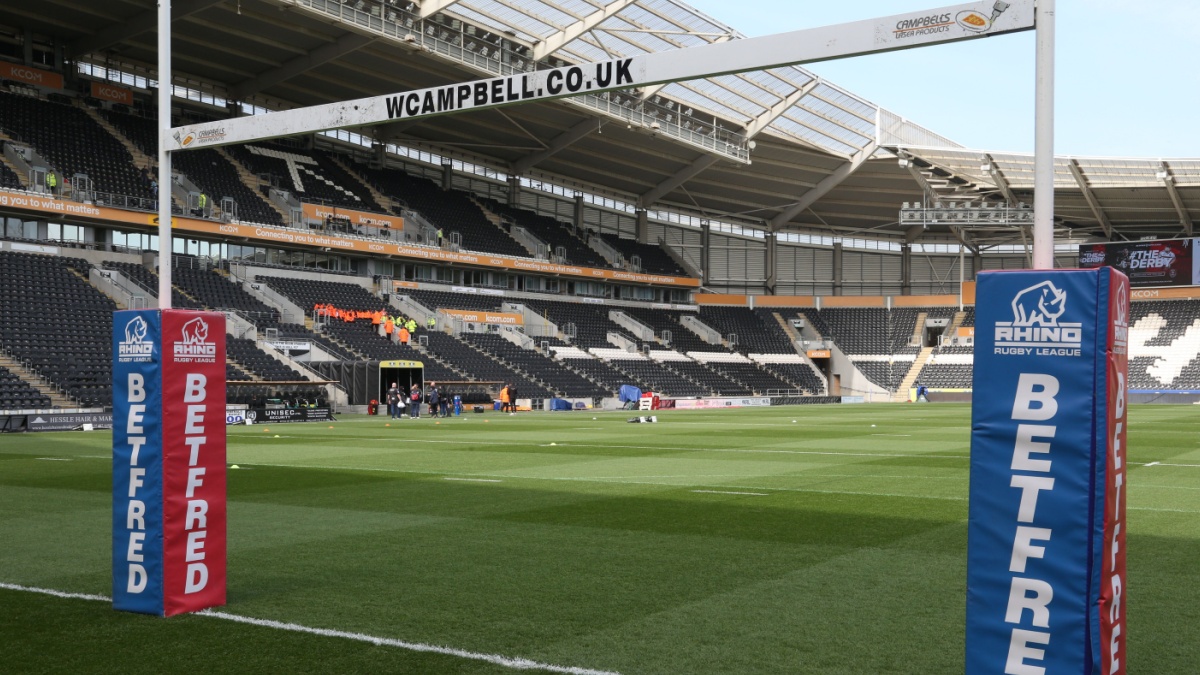
Super League, the top flight of English rugby league, has started its search for a new title sponsor, with Betfred confirming this season’s Grand Final will be its last.
Over the course of the partnership, Betfred’s involvement grew from Super League to encompass the rugby league calendar, including the men’s and women’s competitions, the Challenge Cup, Wheelchair Super League and England’s national teams.
The latest agreement, announced in 2023, extended the partnership through to 2026 in what RL Commercial described as a record-breaking three-year deal, worth 25% more than the previous agreement.
Betfred owner Fred Done reminisced on the relationship in The Times, saying the company initially backed Super League because it was an “important northern sport”.
“I’ve always described people in rugby league as family – they’re brilliant,” Done said. “At heart, I’m still a working-class guy from Salford. Supporting rugby league, a working-class sport, has meant a lot to me.”
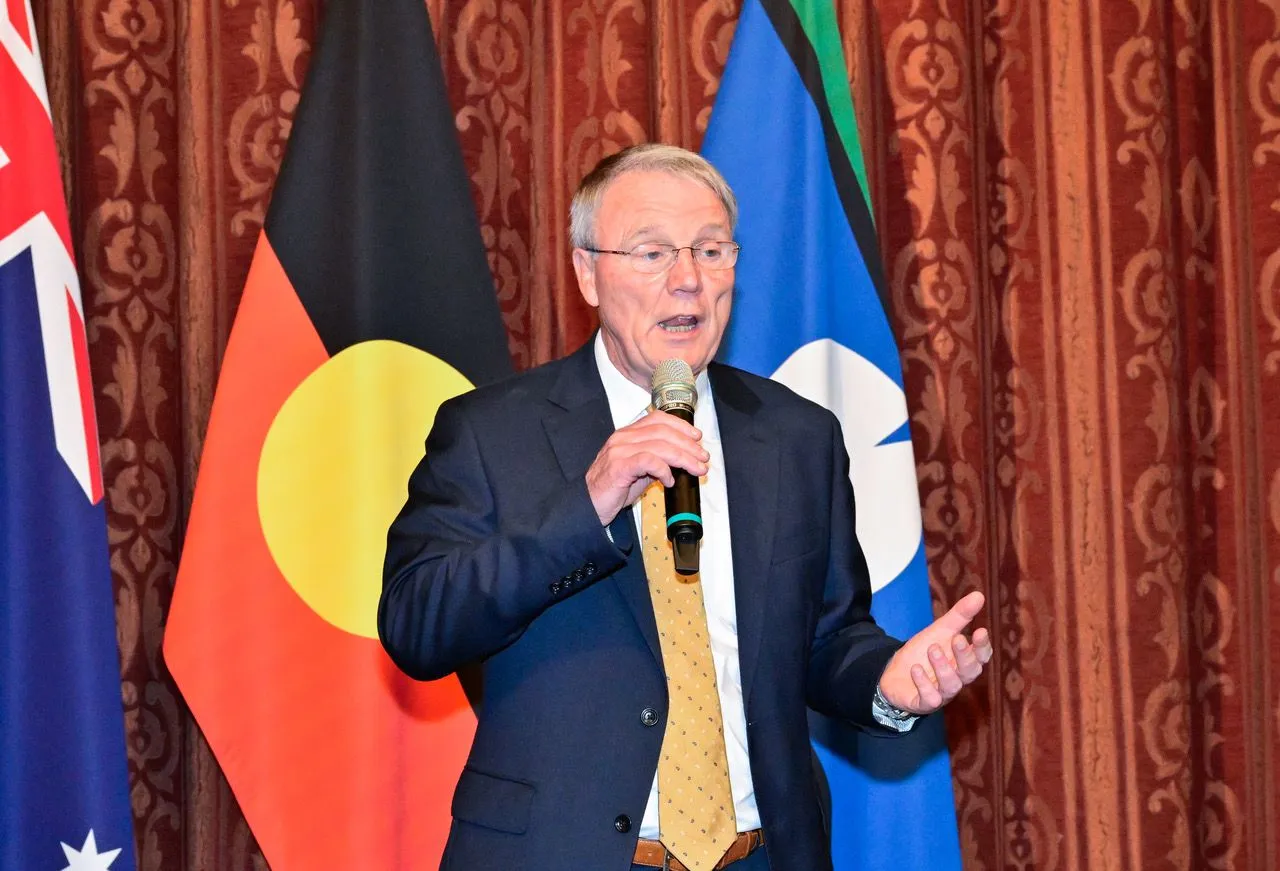
Rhodri Jones, Interim RFL CEO and Managing Director of RL Commercial, also paid tribute to Betfred’s contribution to the sport, describing the sportsbook as an “outstanding partner”.
“We are extremely grateful to Fred Done and the entire Betfred team for their backing, passion and dedication to our sport,” said Jones.
“We look forward, with them, to the Play-off series and the Grand Finals to come in the next few weeks as well as the World Cup.”
Why is Betfred ending its rugby league sponsorship?
The 2026 Grand Final at Old Trafford, set to take place on 3 October, will be the final time Done presents the Betfred Super League trophy. Comments he made in The Times and in Super League’s official announcement spoke fondly of the relationship, attributing the decision to pressures outside the sport.
Done has placed much of this on the company’s struggle with rising costs across its retail estate, stating that a combination of tax rises and wage inflation is the reason for reviewing spending.
In July, Betfred announced the closure of 132 betting shops, resulting in the loss of around 600 jobs. Done said the decision to end the rugby league sponsorship was made against the same financial backdrop.
Writing in The Times, Done noted increases to employer National Insurance contributions and the national minimum wage, in addition to changes to remote gaming duty and general betting duty.
He also raised concerns over proposals to increase Machine Games Duty (MGD), claiming that a doubling of the tax to 40% would force Betfred to close 495 shops, representing 45% of its estate.
The bookmaker has seen its retail estate fall from a peak of 1,680 shops to just over 1,090, according to Done.
“But our seed corn is shrinking,” Done wrote. “At our peak, we had 1,680 shops; we’re now down to just over 1,090. Rugby league is gone.”
Done added that Betfred has a verbal agreement to renew its sponsorship of the British Classic horse races for another three years, but warned that the company could also walk away from that partnership if October’s Budget results in a significant increase to MGD.
What comes next for Super League?
RL Commercial has started preparing for life after Betfred, with the organisation saying it has made “big steps” towards securing new partners across the men’s, women’s and wheelchair competitions, as well as England.
However, there has been no indication yet of which brands could replace the sportsbook, or whether RL Commercial could look to take a different approach by securing separate title partners for its different competitions.
The end of the Betfred deal could also provide an opportunity for rugby league to embrace a broader mix of global brands, which aligns with its ambitions to expand the sport’s reach.
Jones told Insider Sport earlier this year that the sport’s growing audiences and expanding reach provide a strong platform for its next commercial phase, pointing to increased broadcast reach and events such as Magic Weekend in Liverpool and the Vegas fixtures as evidence of the sport’s long-term goals.
“Magic WKND in Liverpool, the Vegas fixtures, the growing broadcast reach, these show we’re equally serious about widening the sport’s footprint,” Jones said, adding that the next five years could be “the most significant in the sport’s modern era”.