Britain’s horseracing industry has won rare protection in Rachel Reeves’ first Autumn Budget, with remote bets on UK horseracing kept at 15% while other online products face steep duty increases.
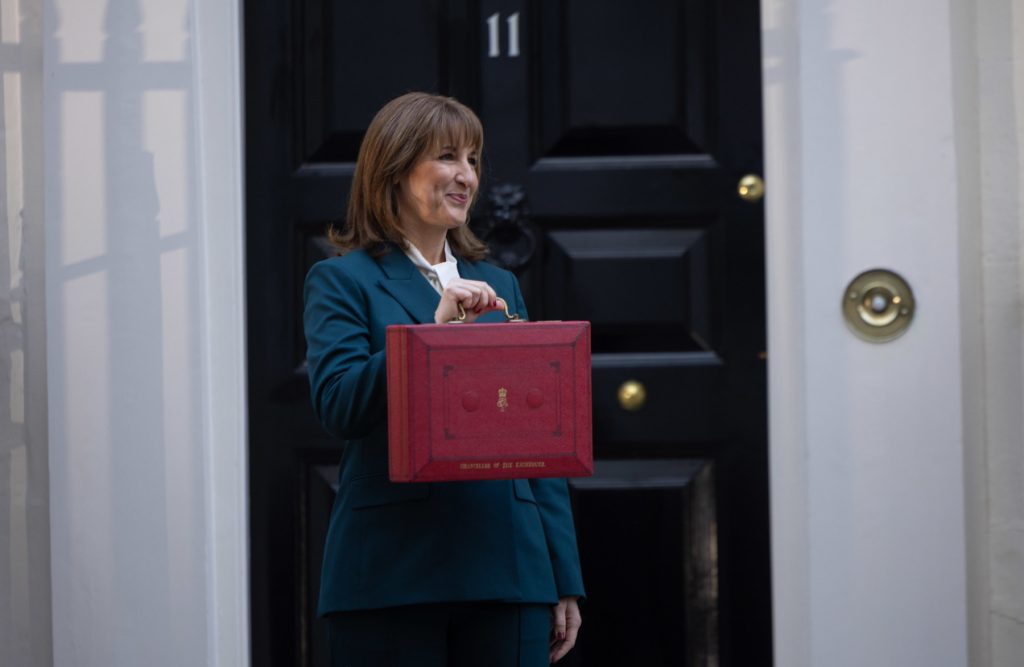
British horseracing has secured the outcome it spent most of 2025 fighting for, after Chancellor Rachel Reeves confirmed remote bets on UK horseracing will be excluded from a sharp rise in online betting duty.
Under the Autumn Budget, the government will introduce a new Remote Betting Rate of 25% within General Betting Duty from April 2027, but remote horserace betting will remain taxed at 15%, in recognition of racing’s existing 10% statutory levy.
Remote Gaming Duty on online casino-style products will also rise from 21% to 40% from April 2026, while Bingo Duty is abolished.
The decision follows months of intense lobbying by the sport, including an unprecedented one-day shutdown of fixtures in September under the #AxeTheRacingTax banner, as racecourses and participants protested Treasury plans to fold betting and gaming into a single remote gambling duty.
That earlier consultation did not set a rate, but racing bodies warned that “harmonisation” in practice risked pulling betting duty towards the higher gaming rate, with knock-on effects for levy, media rights and jobs across racing’s rural economy.
In the Budget documentation and accompanying analysis, ministers now say they have amended their approach after consultation responses highlighted that remote betting and remote gaming differ in terms of both costs and levels of harm.
Instead of a single Remote Betting and Gaming Duty, the government will keep separate regimes, but at significantly higher rates for most online products.
What Reeves has actually changed for horseracing
The core tax decision for the sport is the following:
- From April 2027, a new 25% Remote Betting Rate will apply to general remote bets.
- Remote bets on UK horseracing are explicitly excluded from this higher rate and will remain at 15%, in line with tax on land-based bets on racing.
In a technical note on gambling duties, HMRC says horseracing is being treated differently in recognition of the 10% statutory Horserace Betting Levy that already applies to UK races, which creates a de facto 25% overall rate when combined with the existing 15% duty.
Reeves’ Budget confirms there will be no change to taxes on in-person gambling or horse racing, meaning on-course and high street betting on racing is left untouched even as the online sector faces higher rates
Government leans into ‘unique circumstances’ of the sport
In the main Budget document, the Treasury highlights the “unique circumstances of the horseracing industry” as the reason remote horserace betting has been carved out of the new Remote Betting Rate.
Taken together with the HMRC note, that phrase does significant work. It effectively codifies the argument advanced all year by British racing and allied think tanks: that betting on horseracing supports a wider ecosystem of training yards, studs, racecourses and rural supply chains, and that it carries a different profile of consumer behaviour and harm compared with high-velocity online gaming.
The House of Commons Library’s summary of the Budget underlines that gambling tax reforms have been revised compared with the original consultation, explicitly stating that remote betting and remote gaming “should therefore not be subject to a single rate.”
Trainers and jockeys see ‘vote of confidence’
Across the sport, the carve-out is being framed as a relief and as validation of the strike strategy.

“I’m encouraged by the Government’s decision to shield racing from higher taxation. It will help protect jobs in places like Lambourn where so much of the community is reliant on the sport,” said Nicky Henderson, one of the UK’s most prolific horse trainers. “The Chancellor has shown that she appreciates how important racing is to Britain and I believe her actions will help avoid what could have been a really bad situation for our sport.”
Champion trainer Paul Nicholls stressed the breadth of the ecosystem that sits behind a racecard. “Racing isn’t just a sport; it’s a complex ecosystem that supports thousands of livelihoods, from training yards and feed suppliers to horse transport companies and racecourse staff,” he said.
“The Government’s decision to carve out racing from tax increases provides British racing with a meaningful boost and I’m pleased they have listened to the industry’s concerns. We can all now look forward to what’s going to be an excellent Jumps season.”
Flat trainer William Haggas welcomed what he called a “sensible and welcome decision” that would be “appreciated by everyone involved in racing”, adding that “many trainers are under severe financial pressure, so it’s encouraging to see a decision that supports the finances of the sport and helps allow places like Newmarket to continue to thrive.”
The reaction has been similarly positive in Scotland and Wales. Horse racing trainer Nick Alexander said the move was “crucial for safeguarding jobs both in the industry more widely, and here in Scotland”, while Welsh trainer Tim Vaughan underlined how “many trainers operate on tight margins, and this move avoids an additional burden being placed on the sport’s finances”, calling racing “key to supporting jobs, especially in rural communities here in Wales.”
From the weighing room, jockey Harry Cobden described the Budget outcome as “a relief for everyone in the weighing room and the countless people behind the scenes who keep the sport running”, arguing that by sparing racing from tax rises “the Government is acknowledging the hard work of stable staff, farriers, vets, and all the rural businesses that rely on racing.”
George McGrath, CEO of the National Association of Racing Staff, said the decision shows ministers “understand the vital contribution our industry makes to jobs, communities, and the care of horses nationwide”, and that carving racing out of the wider gambling tax increases “gives us greater confidence in the future of our sport.”
Westminster MPs claim a win, but say work is not done
Supportive MPs on racing’s All-Party Parliamentary Group also moved quickly to claim the decision as a campaigning success.
Dan Carden MP, Co-Chair of the APPG for Racing and Bloodstock, called the exemption “good news for British racing and racecourses like Aintree in my constituency”, but warned that “now the real work starts to get every part of the industry working together, get the levy sorted and improve foal numbers and prize money.”
Fellow Co-Chair Nick Timothy described the Budget outcome as “a reprieve for racing” that “came only after the industry campaigned hard”, arguing that carving out the sport from tax rises will “safeguard local jobs and the training yards and studs” in Newmarket. Quote pack
Other MPs highlighted the local economic impact for Doncaster, Newbury, Windsor and South Shropshire, emphasising racecourses as anchors for hospitality, tourism and rural employment.
Operators face higher bills as tax gap widens between products
While racing’s core product has been shielded, the rest of the online gambling market faces a materially higher tax burden.
The Office for Budget Responsibility estimates that reforms to gambling taxation will raise around £1.1bn a year by 2029–30, with part of the static yield offset as higher duty prompts price changes and some shift toward unregulated markets.
For operators, this creates a clear incentive to reassess product mix, pricing and marketing. Racing now sits as a relatively lower-tax product within the online mix, but overall pressure on UK-facing profitability may still weigh on sponsorships, media rights payments and wider investment in the sport.