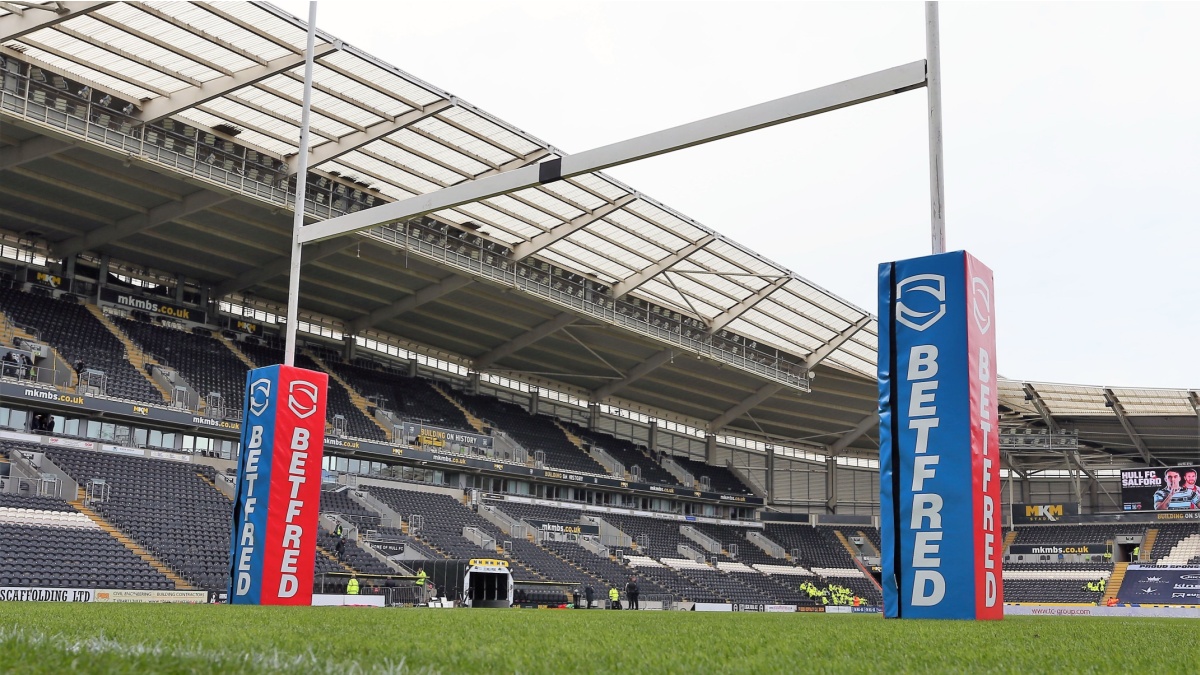



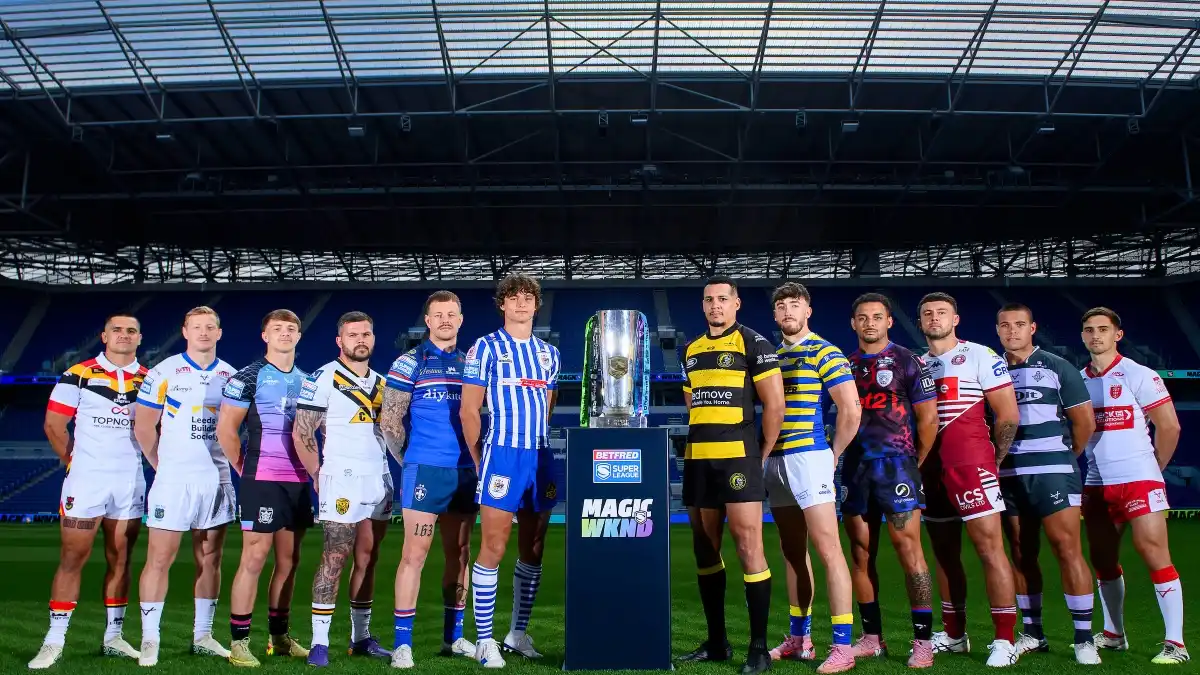
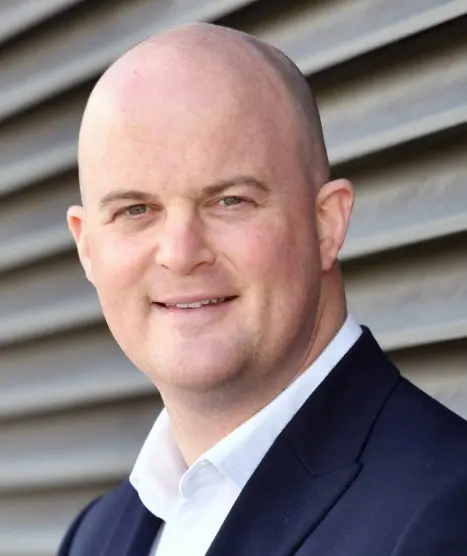
Rhodri Jones, Managing Director of RL Commercial, tells Insider Sport how Magic Weekend is helping grow Rugby League’s fanbase.
Rugby League is a way of life for many people across the North West of England, but the sport has struggled to attract the same national attention as football, cricket or rugby union.
In recent years, Rugby League Commercial has set out to change this through a recent expansion, a greater focus on fan engagement and ambitious events, including an annual fixture in Las Vegas.
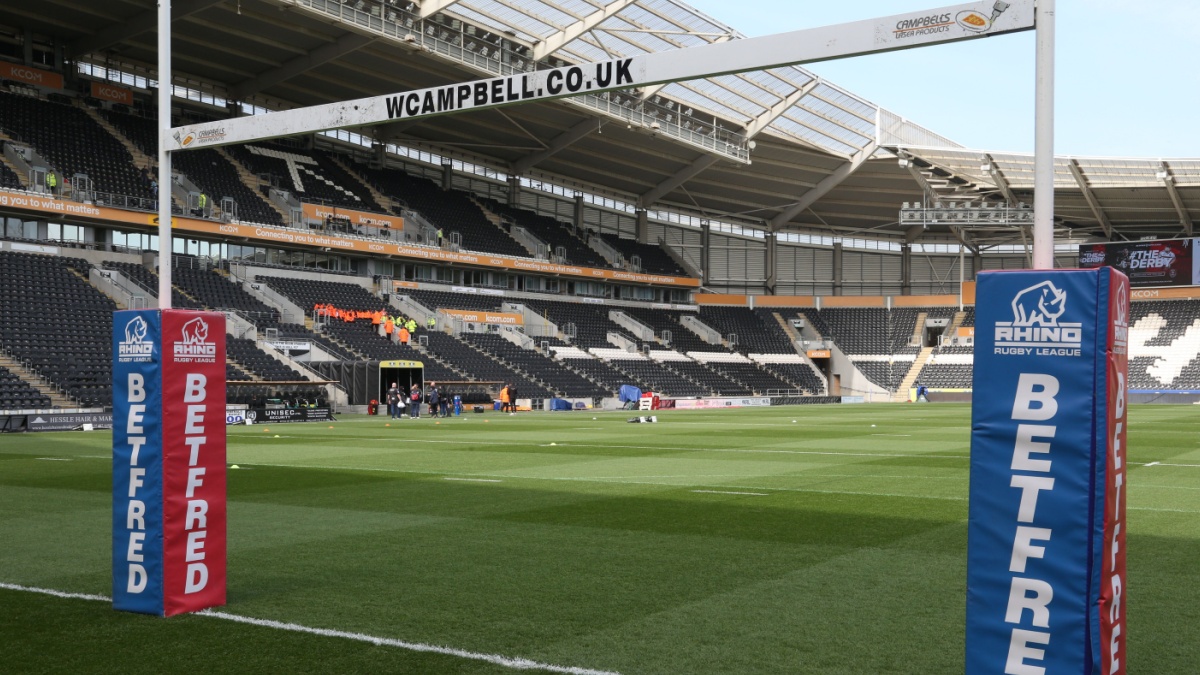
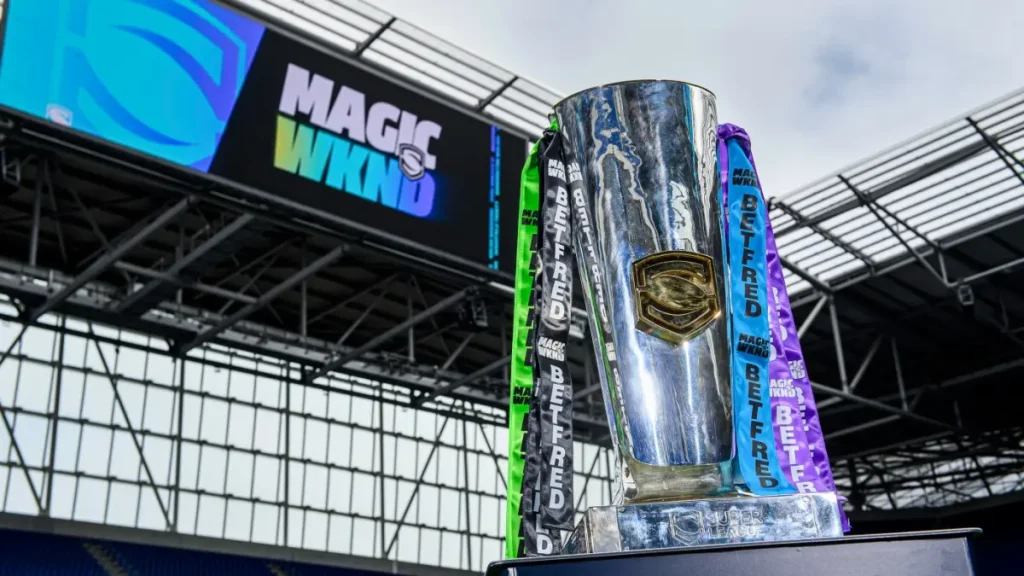
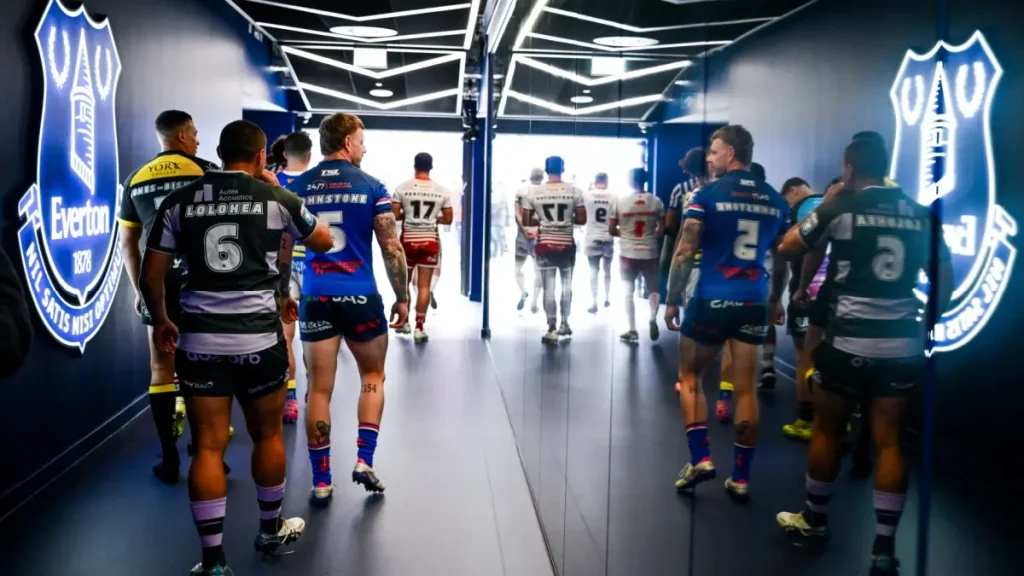
Existing events have had a makeover too. Magic Weekend, the flagship fixture that sees all Super League clubs play across one weekend, moved from Newcastle United‘s St James’ Park to Everton‘s Hill Dickinson Stadium this year.
The switch appears to have paid off, with a total of 82,925 fans coming through the gates across the two days, smashing the previous Magic Weekend attendance record of 68,276 set in 2016.
The success is hard to argue with, but there’s still plenty of work ahead in growing the sport, such as building an even stronger family and female fanbase and establishing a foothold in the US market.
Insider Sport spoke to Rhodri Jones, Managing Director of RL Commercial, about Magic Weekend’s record-breaking weekend, the sport’s ambitions in the US and what the next five years could look like for the sport.
Read the full interview below
Magic Weekend delivered record attendance and digital engagement. What do you think were the main factors behind this success?
Hill Dickinson Stadium played a significant part. England fans had already fallen in love with that venue during the Ashes Test last autumn and it’s clear many of them came back for more, or had missed out on tickets for that first event, so had to be there for Magic. We set a target of making this the biggest and best Magic WKND yet, so it’s brilliant to see supporters backing the event the way they did.
The quality of rugby on the pitch has never been higher, and offering fans the chance to see all 12 clubs in action across 48 hours is something genuinely unique in the sporting calendar. Over 800,000 people watched live on Sky Sports, up 18% on last year, and our social channels delivered the highest performing Magic WKND on record with impressions up 85% and video views up 137%.
The great music acts – the first ever live music performances at the stadium – across the weekend also provided an added draw for people – when the event and the rugby are both this good, the audiences follow. It’s as much about people’s in-stadium and the lead up experience as it is about the sport itself.
Do you see Magic Weekend as a way to attract new fans? If so, how are you planning to do that?
Absolutely, and Liverpool was a very deliberate choice with that in mind. Bringing Magic WKND to a city with the reach and global profile of Liverpool opens the door to audiences who perhaps wouldn’t have encountered Rugby League in quite the same way before.
We also launched The 13 this year, a creator network giving TikTokers, YouTubers, photographers and podcasters exclusive access to the sport so new audiences can discover it through voices they already follow and trust. During Magic, we worked with local bars and restaurants across the city to offer exclusive deals to ticket holders too, so the experience extended well beyond the stadium, and our aim is that anyone who comes leaves wanting to come back.
Rugby League has become more of a family sport in recent seasons, though many partnerships still lean toward a male adult audience. Do you agree and is this an area the league is looking to adapt?
The family picture at Magic WKND is really encouraging, over 7,700 junior tickets were sold this year, accounting for more than 12% of the total, and the 26 to 35 age group grew noticeably year on year, so the audience is genuinely getting younger.
On gender, we’re honest that there’s still work to do and the data reflects that. The growth of Betfred Women’s Super League is helping shift perceptions of who the sport is for, and we’d expect our commercial partnerships to reflect that broader audience over time as the product continues to evolve.
Las Vegas has been well received by UK fans because it offers a big day out. How is the event resonating with US audiences and has it had the impact in the country that you expected?
Las Vegas has been a genuinely exciting addition to the calendar, and the enthusiasm from UK fans in particular has been tremendous. Building awareness in the US takes time, and we’ve always been realistic about that. What Vegas has done is place Rugby League on a world stage and show that our game can compete in ambitious, high-profile settings. It’s still early days in terms of growing a domestic US audience, but the platform it creates is one we’re determined to build.
The US is an attractive market for many reasons, but rugby is competing with a lot of sports. How are you going to win the battle for attention and does the sport need to focus on kids at an earlier age?
Getting young people involved early is important, and it’s something we’re already committed to at home. Northern’s Community Stand means young fans can watch the Super League Grand Final for £2.50, and through that same partnership, they’re putting kit and equipment into grassroots clubs across their network. We also launched refreshed formats for the School Games programme earlier this year, with a festival-based offer for primary schools built around fun and participation, rather than competition. That philosophy, that the sport has to be enjoyable and accessible from the earliest age, doesn’t change regardless of the market you’re talking about.
The high intensity of competition and the excitement that you get straight from kick-off help in this area too. Research from Stats Perform showed that Super League delivers 53.8 minutes of ball in play per game, more than rugby union’s Six Nations at 9 minutes and considerably more than the NFL at just 11 minutes. When a sport grabs people that quickly, you have something to work with.
Athletes are becoming the stars more than teams in the modern era. Is this a strategy you are aware of and how do you plan to work it into your approach?
It’s absolutely something we’re conscious of and building into how we present the sport. The Glen’s content series we launched at the start of the season is a good example; it’s built around individual players, their stories, and how they reach that elite level, rather than just the clubs they play for.
The OurLeague app has over 32,000 active members voting on Player of the Match after every game. Fantasy Super League has always been player-driven, and The 13 creator programme gives content creators exclusive access to players so those stories reach audiences we might not otherwise get to.
The sport has some brilliant personalities, and we want to make sure people get to see that. After all, it’s often players that bring people into a sport – those that they can relate to and resonate with, making it feel accessible to them.
What is the vision for the next five years? Is it to expand or to refine and strengthen the communities already loyal to the sport?
It’s both, and we don’t think those are in conflict. The foundation of Rugby League is its communities, the clubs, the supporters and the volunteers who give everything to this game, and strengthening that will always come first.
But Magic WKND in Liverpool, the Vegas fixtures, the growing broadcast reach, these show we’re equally serious about widening the sport’s footprint. Crowds have never been as big at this stage of the Super League season in the competition’s 30-year history, and that gives us real confidence that the next five years can be the most significant in the sport’s modern era.
To have exclusive interviews like this sent straight to your inbox every afternoon, sign up for the Insider Sport newsletter.