


YouTube is aiming to streamline both its strategy and platform to house more live sporting content as it looks to compete against the likes of Netflix, Amazon and Disney.
YouTube is reportedly looking to bulk up its efforts to acquire live sporting rights to contend in an increasingly competitive landscape.
According to people familiar with the matter, cited by CNBC, YouTube is interested in acquiring live rights for all of the major US sports leagues.
The video and streaming platform is seeking to streamline its free-packaged option, with its paid non-add package, YouTube Premium costing $15.99 per month, could be used as a vehicle to house a select amount of live sports games.
Leading this strategy is Justin Connolly who joined YouTube as its Global Head of Media and Sports in May 2025. He left his role with Disney to oversee YouTube’s partnership and expand its portfolio of live sporting rights.
The strategy focuses on whether the streaming service can obtain either all out-of-market games – which are not televised – or a package for all games for a single competition – such as a knockout tournament like the World Cup for example.
Reports emerged in July that YouTube was in advanced talks to secure live rights for NBA local, out-of-market games for up to 25 different teams. The company has also expressed an interest in acquiring rights for the men’s FIFA World Cup, in either 2030 or 2034.
CNBC revealed the streaming service provider would be willing to commit to long-term, lengthy broadcasting agreements to broadcast league games each year, but only if there is a connection between how its platform is streamlined and if it connects to its audiences.
YouTube’s current rights portfolio
YouTube’s core live sports offering is NFL’s Sunday Ticket, a seven-year agreement signed in 2023 to broadcast all out-of-market regular season Sunday games.
These games are housed on the YouTube TV and on YouTube Primetime packages. The streaming service provider also supports non-exclusive NFL games via a sub-licence deal.
Similar out-of-market deals include broadcasting games from other US leagues via their in-house streaming service. This includes games carried by NBA League Pass, MLB.tv, NHL.tv, and MLS Season Pass.
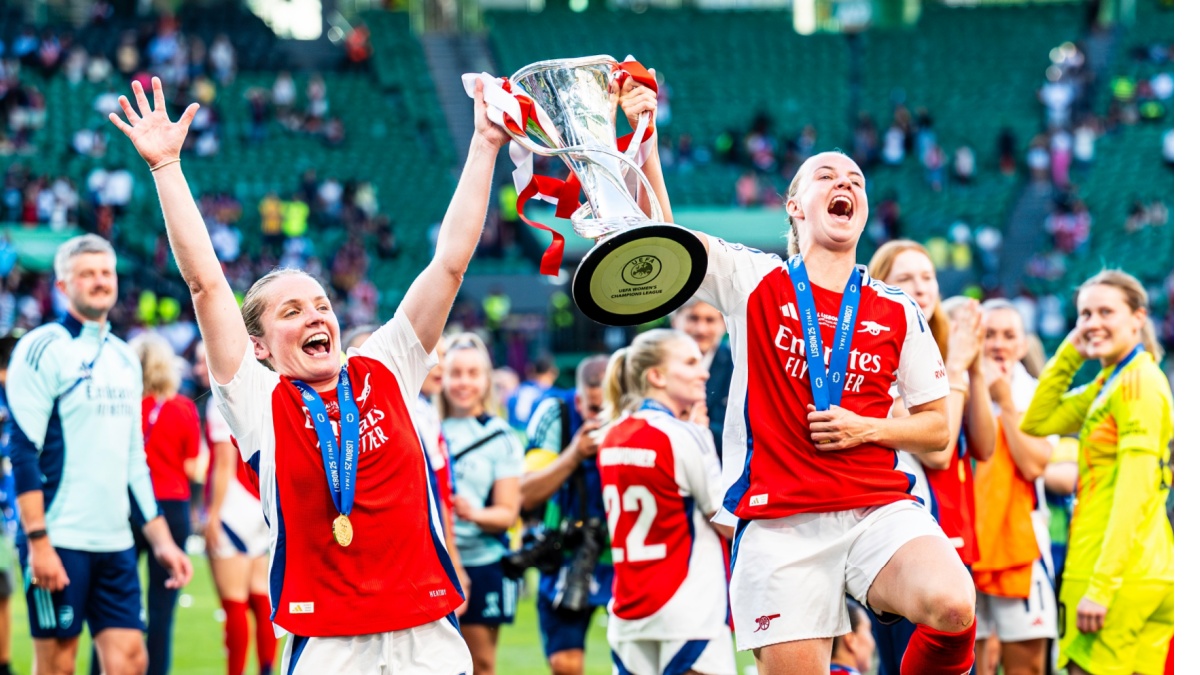
YouTube also broadcasts games from the Women’s Super League in the UK. The platform broadcasts all games not picked up by the primary domestic broadcasters, Sky Sports and BBC.
While not directly obtaining these rights for its portfolio, its services support the live streaming of its content creators’ channels of the live rights they have acquired. This includes when Gary Neville’s The Overlap and Mark Goldbridge’s That’s Football, acquired live rights to broadcast select Bundesliga games for their UK and Ireland audiences.
Competing against the competitors
YouTube stands out from competitors such as Netflix, Amazon Prime Video, Disney+, etc., as it has been one of the most popular and successful video platforms since it was founded in 2005.
The platform remained free for all users until 2013/2014, when it launched dedicated paid packages for channels to obtain additional revenue from their subscribers. It also launched a Music Key, which supported ad-free options to listen to music on the platform.
YouTube Premium was launched in 2018 to provide an ad-free method of watching all content on the platform. It has since evolved to support other streaming platforms, like NBC’s Peacock, to carry over sports content like the Olympic games, as well as NFL, NBA and MLB games.
One of the most prominent distributors in the live sports content industry is Netflix, with a similar strategy to YouTube.
Netflix has stayed away from securing lengthy, year-long league sporting rights in favour of ‘one-off day’ events like the Jake Paul boxing exhibitions against Mike Tyson and Anthony Joshua, as well as hosting two NFL Christmas Day games per season.
Amazon and Disney have opted for the other route by acquiring rights for the UEFA mens and womens, respectively, Champions League games, among other annual sporting rights.
YouTube will not only have to compete with these new sports streaming giants to acquire rights, but how it will present live sports on its platform, either through its traditional free offering, or whether it will house live sports on YouTube Premium to entice more users to pay for the monthly subscription.