


Real Madrid and UEFA settle legal dispute three days after Barcelona’s withdrawal, bringing the European Super League project to an end
Real Madrid and UEFA have reached an agreement that will end their legal disputes over the European Super League, bringing a definitive close to a project that has haunted European football for nearly five years.
The development comes just three days after Barcelona‘s withdrawal from the competition, which left the Madrid giants as the sole remaining proponent of the breakaway league which spectacularly collapsed in April 2021 – until now.
In a joint statement released by Real Madrid, UEFA and the European Football Clubs (EFC) group, the parties said: “Following months of discussions conducted in the best interests of European football, UEFA, European Football Clubs (EFC), and Real Madrid CF announce that they have reached an agreement of principles for the well-being of European club football, respecting the principle of sporting merit with emphasis on long-term club sustainability and the enhancement of fan experience through the use of technology.
“This agreement of principles will also serve to resolve their legal disputes related to the European Super League, once such principles are executed and implemented.”
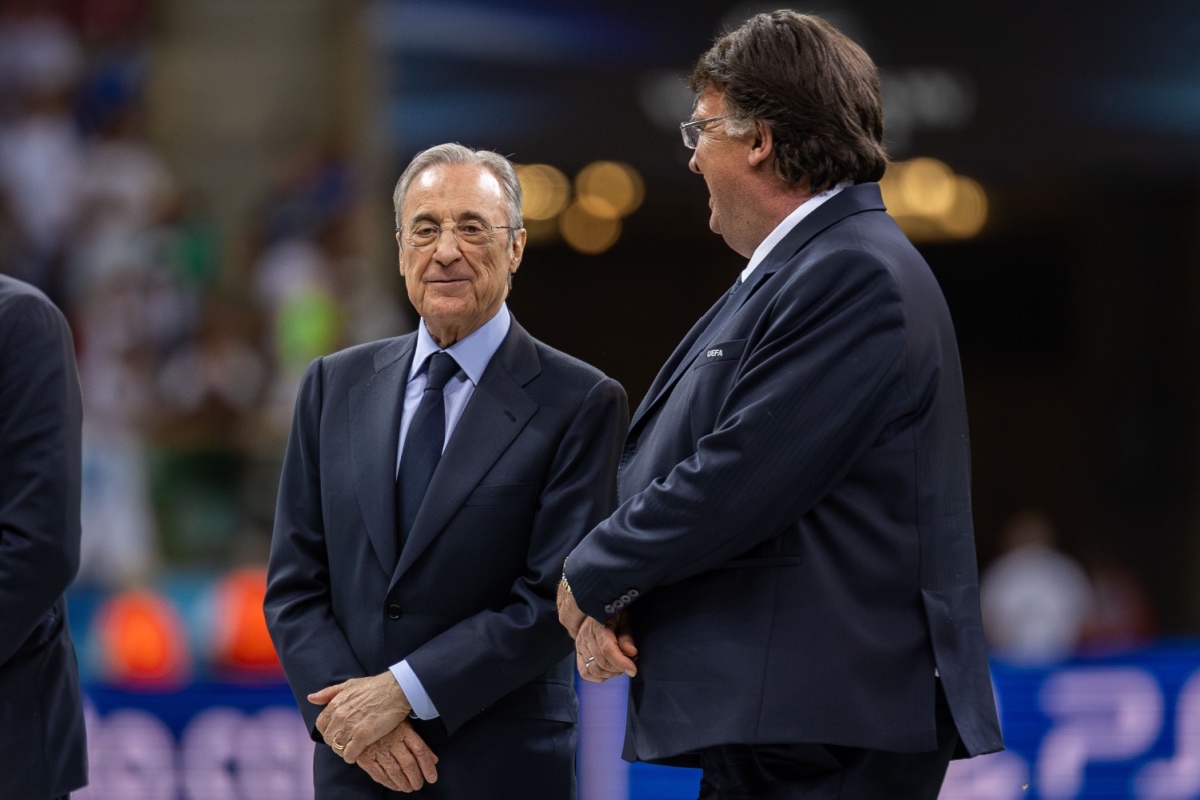
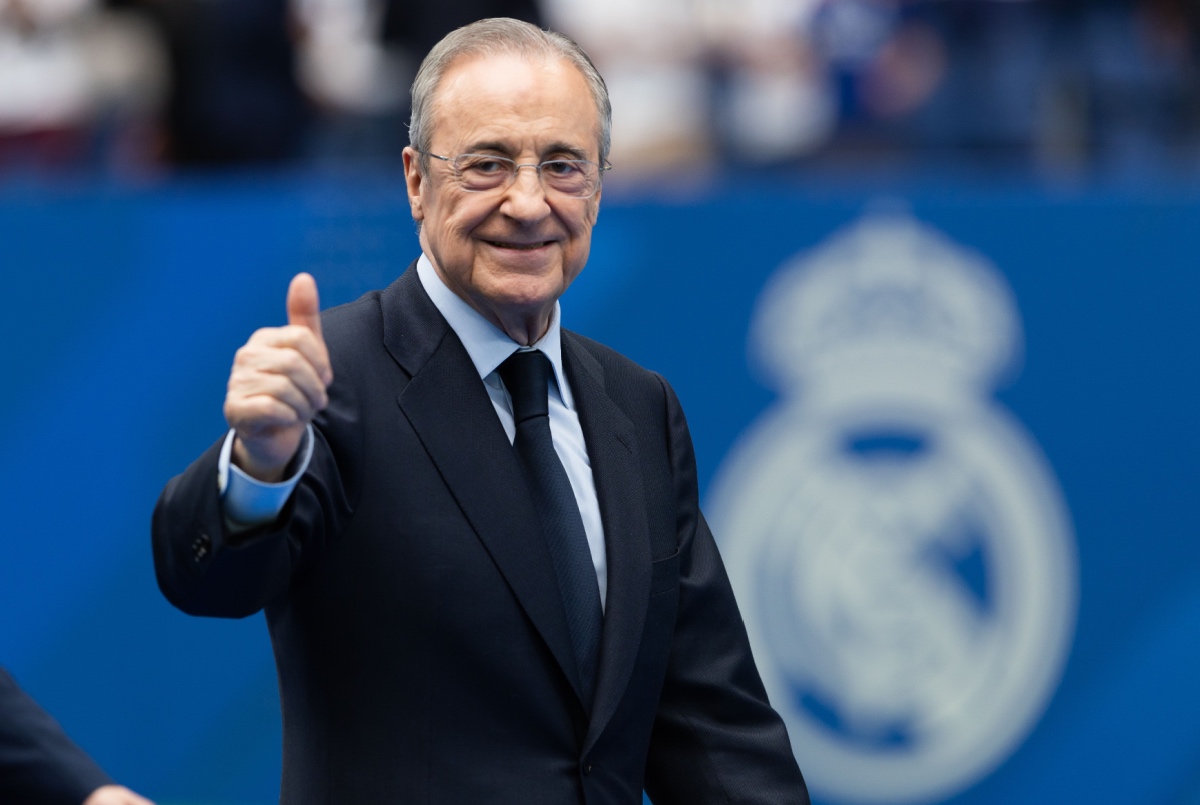
The news represents a stark positional shift by Real Madrid President Florentino Pérez, who has long been the Super League’s most vocal champion.
Just three months ago, he publicly criticised UEFA and La Liga leadership, pursuing billions in damages following court rulings that found UEFA had abused its dominant market position.
Madrid and promoters A22 Sports Management had been seeking $4bn in damages from UEFA after the project collapsed, bolstered by multiple court victories that supported their legal position.
From crisis to collapse
The original Super League announcement in April 2021 triggered one of football’s most significant crises.
Twelve elite European clubs – including Real Madrid, Barcelona, and six English teams – unveiled plans for a semi-closed competition that would guarantee founding members permanent spots regardless of sporting merit.
The project collapsed within 48 hours amid fierce backlash from fans, players, and governments. All six English clubs withdrew immediately, followed by Atletico Madrid, Inter Milan, and AC Milan. By 2024, Juventus had also departed, leaving only Barcelona and Real Madrid committed.
Barcelona’s exit on February 11, 2026 proved significant in extinguishing the long-dormant Super League threat. Joan Laporta, in one of his final acts before resigning to run for re-election, confirmed the Catalan club’s withdrawal.
That left Pérez increasingly isolated, and despite court victories and A22’s revised “Unify League” proposal – which ditched the closed format for a merit-based system with free streaming – no other major clubs showed renewed interest in joining.
Has Real Madrid saved-face?
The agreement suggests that months of behind-the-scenes negotiations have produced a compromise. UEFA announced the deal the day before its annual congress in Brussels, positioning the resolution as a new chapter for European football.
For Madrid, the settlement offers a face-saving exit from an untenable position. Winning billions in compensation but having no clubs to compete against would have been a hollow victory. The agreement allows Pérez to pivot without abandoning his criticism of UEFA’s governance structure entirely.
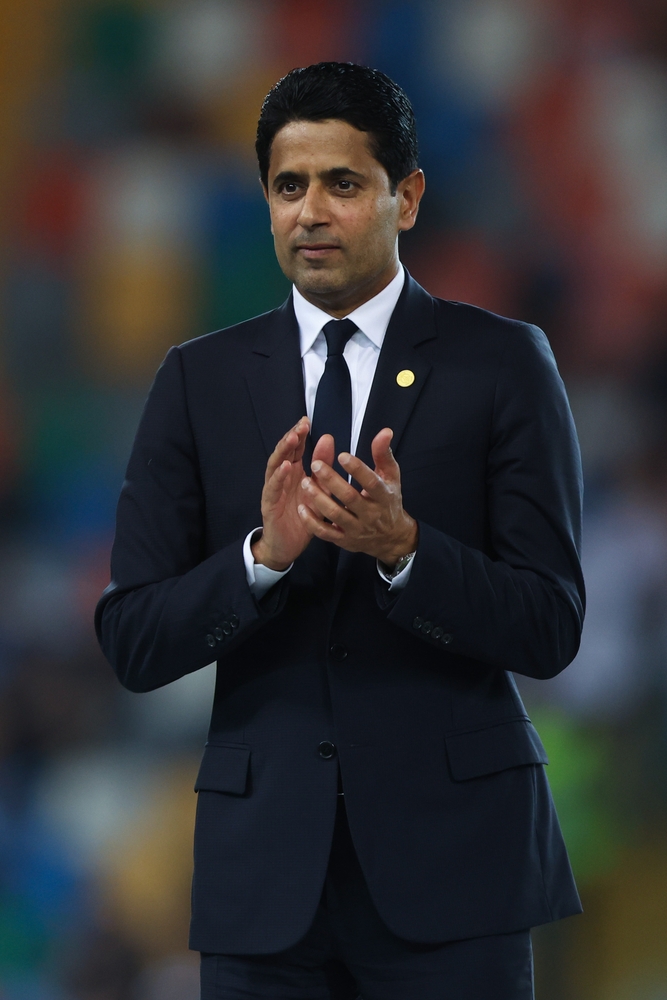
Speaking to Madrid Universal, PSG President Nasser Al-Khelaifi said he sees no losers from the deal, calling it “a win for football”.
“Whoever says or believes that Perez ‘lost’ today is completely ignorant and understands nothing about football,” he said. “I am immensely proud and delighted. I would like to thank everyone, all the parties involved in this historic agreement.
“I thank the President of UEFA, who works tirelessly every day for European football, the most intelligent and humble leader. The most important thing here is that we are all winners, no one is a loser.”
For UEFA, the deal eliminates both a significant financial liability and the threat of a competing tournament, however unlikely its launch seemed. More importantly, it reunifies European football’s elite under one umbrella after years of division.
Learnings from the Super League
The Super League’s demise leaves several legacies. UEFA expanded the Champions League to 36 teams with a new league phase format, implementing many reforms the breakaway clubs originally demanded.
The legal battles also established important precedents about competition law in football governance.
With both Spanish giants now UEFA-aligned, the European Super League has moved from suspended animation to complete extinction, closing one of the most divisive chapters in modern football history.