



Clubs across the English football pyramid will face different annual charges under the IFR’s proposed levy, with contributions based on their financial resources and revenue.
The Independent Football Regulator (IFR) has shared its operating costs as part of a proposed £20.3m annual levy on English football clubs.
Described by Richard Monks, CEO of the IFR, as a “modest investment”, the levy seeks to fund the regulator’s operations and support its mission to improve financial sustainability across English football.

Created under the Football Governance Act 2025, the IFR aims to prevent financial crises in English football.
The proposed budget includes £18.3m in operating costs, around £1m to cover potential litigation and a further £1m to begin recovering the costs of establishing the regulator. The IFR has said the proposed levy equates to around 0.2% of football’s £9bn annual revenues.
Clubs across the top five divisions of English men’s football will start paying the levy from the 2027/28 season, replacing the regulator’s current Government funding arrangement.
The amount each club pays will depend on factors such as its revenue and financial position, with most clubs expected to pay around 0.1% of annual revenues.
“The levy we are proposing today represents a fair and balanced approach and will ensure that most clubs pay around 0.1% of their annual revenues,” Monks said.
“We are confident football will see this is a relatively modest investment to help achieve a more sustainable ecosystem which will provide peace of mind for fans, clubs and the communities they serve.”
Clubs can provide feedback on the proposed levy through a six-week consultation, which the IFR has encouraged teams to do.
How much will clubs pay?
There is a significant disparity between Premier League club revenues, let alone those in the fifth tier of the English pyramid. Brighton and Hove Albion, for instance, recorded £222m in revenue in the 2024/25 financial year, compared with Manchester United’s £666.5m.
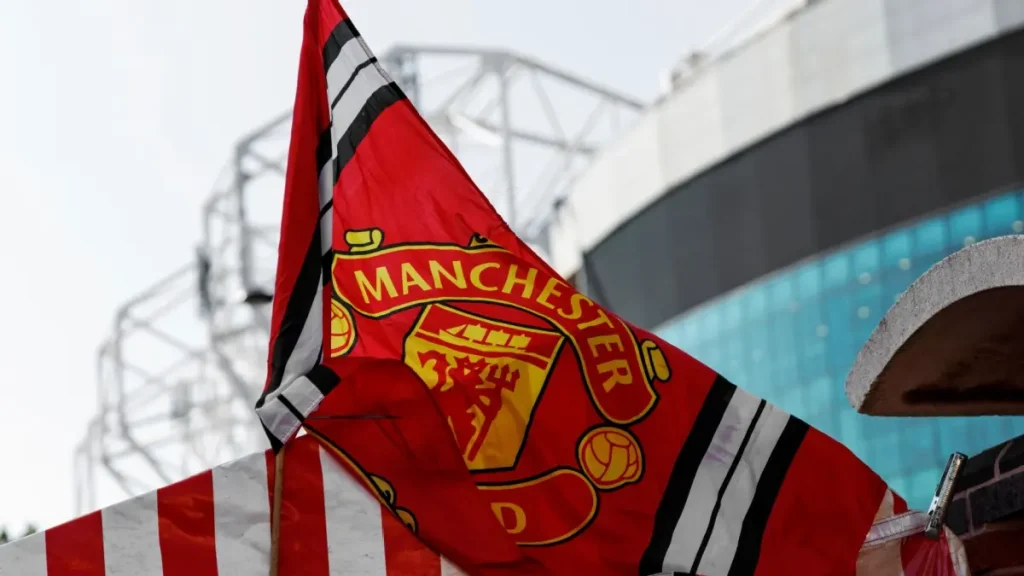
The IFR has sought to reflect these differences in its proposed levy, with most Premier League clubs expected to pay around £600,000 per season, while the highest earners could face bills of up to £1.8m.
The additional charges for some of the division’s biggest clubs reflect factors including participation in UEFA or FIFA competitions, Premier League parachute payments and commercial revenue exceeding £150m.
Championship club Bristol City recorded £40.3m in revenue over the same financial period, significantly less than Brighton and Manchester United.
Championship clubs not receiving parachute payments are expected to pay around £45,000, while those receiving the payments will face an additional charge.
League One clubs are expected to pay around £9,000, League Two sides about £6,000 and National League clubs could pay less than £600.
The IFR says this structure should keep costs proportionate for clubs further down the pyramid.
IFR puts a price on sustainability
In its announcement, the IFR was quick to compare its proposed £20.3m levy with the costs of other bodies in English football, highlighting the Premier League’s reported administrative expenses of more than £200m in 2024/25 and the EFL’s £35m over the same period.
However, the regulator’s main ambition is to prevent financial instability from threatening clubs’ future.
“The announcement of the levy is another big moment for the IFR. Over the last year we have been busy laying the ground for the world’s first independent football regulator,” Monks said.
“We have already started to deliver real change in football – whether that’s through the stringent suitability checks we are running on owners and directors or through the State of the Game report which shone a light on how the football industry needs to change.”
The State of the Game report noted the size of the challenge, finding that 94% of clubs were loss-making, with many lower-league sides facing financial pressure. It also warned that more than a quarter of clubs could struggle to survive for 30 days if their owners withdrew funding.
The regulator was established after years of concern over English football’s financial sustainability, with Bury FC‘s 2019 collapse showing what can happen when a club’s finances fail.
Over its first year, the IFR says it has focused on building the foundations of its regulatory system.
In addition to the State of the Game report, it has conducted suitability checks on 40 owners, directors and senior executives, assessed proposed changes to club crests and other heritage assets to ensure fans were consulted and published 10 consultations.
The IFR has said that its next task is to introduce a licensing system for the 116 clubs it regulates, aiming to identify financial risks earlier and intervene before it’s too late.