


The WSL is going its own way as men’s football grapples with its gambling ties.
The Women’s Super League (WSL) and WSL2 have opted not to take on gambling sponsors.
WSL Football, which manages both leagues, announced the decision earlier this week. The organisation agreed with clubs to avoid partnerships with betting companies at league level.
According to reports by The Athletic, the decision doesn’t prevent individual clubs from pursuing their own gambling partnerships, with teams free to negotiate deals independently.
Six sponsorship positions have instead been filled by Apple, Airbnb, British Gas, Mercedes, Tesco and WTW, with Barclays still the title sponsor.
Birmingham City has a front-of-shirt sponsorship agreement with Entain-owned Coral and West Ham United has a similar arrangement with BOYLE Sports. Both brands also feature on the men’s teams’ shirts.
Football’s relationship with betting in England
Gambling and football have gone hand in hand in England for decades, with betting companies prominent across shirt sponsorships, stadium advertising and other commercial inventory.
However, the relationship has attracted greater scrutiny in recent years, perhaps not helped by some clubs partnering with brands targeting international markets, including operators with an Asian-facing presence.
Deals with these brands tend to offer little benefit to local fans in terms of engagement activations compared with ones with domestic operators and can also be far less transparent.
The Premier League has taken steps to distance itself from the industry, with clubs agreeing in 2023 to voluntarily ban gambling sponsors from the front of matchday shirts. The measure came into effect at the start of the 2026/27 season.
It doesn’t, however, prevent clubs from other gambling partnerships, such as sleeve sponsorships, pitchside advertising and training kit deals.
The English Football League (EFL) has not adopted the same restriction, leaving clubs able to pursue front-of-shirt agreements.
A recent example of the scrutiny came this week, when Leicester City and cryptocurrency casino BC Game mutually agreed to end their partnership.
The decision followed backlash from supporters after BC Game appointed Russian adult content performer Eva Elfie as a brand ambassador. The Foxes Trust said it conflicted with the club’s values and could negatively affect younger supporters.
Leicester said the two parties had recognised their “differing commercial priorities” and would end the agreement with immediate effect.

WSL runs on a different sponsorship model
The WSL’s decision doubles down on its differing approach to commercial partnerships compared with the men’s game. Women’s football, in England at least, has had a lot of success attracting brands across travel, retail and other family-friendly sectors.
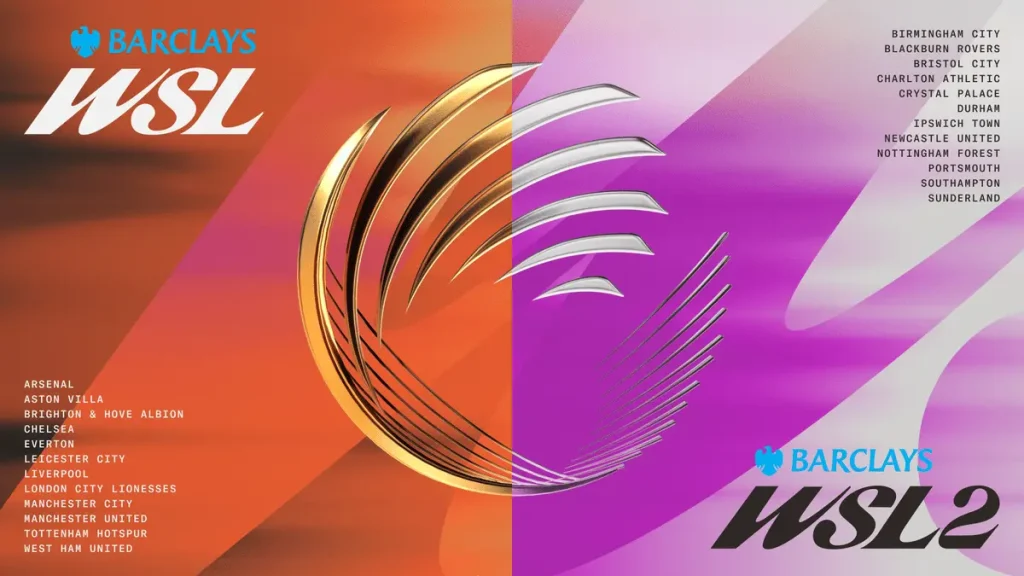
WSL Football published its first standalone financial results in January 2026, reporting revenue of £17.4m for the year ending 31 July 2025. This included £8.4m from broadcasting, £8.5m from sponsorship and licensing and £128,000 from other income.
Despite recording an operating loss of £8.2m, the organisation said this was expected as it invests in its independent operations and protects distributions to clubs.
WSL Football also reported that revenue had tripled since it took over management of the leagues. It expects further growth to be reflected in its 2025/26 accounts, following increased rights fees from Barclays, Sky Sports and the BBC.