


As front‑of‑shirt betting deals disappear from the Premier League, operators are being pushed into a new era where survival depends on how creatively they reinvent their presence.
There will be a death in the Premier League next season. When the 2026/27 campaign kicks off, gambling brands will disappear from the front of shirts for the first time in more than two decades.
No wreaths will be laid and no minute’s silence observed, but across betting operators, agencies and clubs, the mood is unmistakably somber.
The front-of-shirt is football’s most powerful piece of commercial real estate, guaranteeing global broadcast exposure, cultural permanence and emotional association with moments fans carry for life.
Now, becoming off‑limits for betting operators represents the biggest structural change in the sponsorship market since shirt deals became mainstream.
“It’s the biggest shake-up in the front-shirt market in the Premier League for 20 years,” says Joe Williams, Co-founder of agency WH Sports. “There’s excitement, but also trepidation, especially for clubs starting to think about life after bookies.”
This isn’t an obituary – in football, death makes room for new life, and the operators who navigate the transition best may find themselves reaping different rewards.
Life on the front line
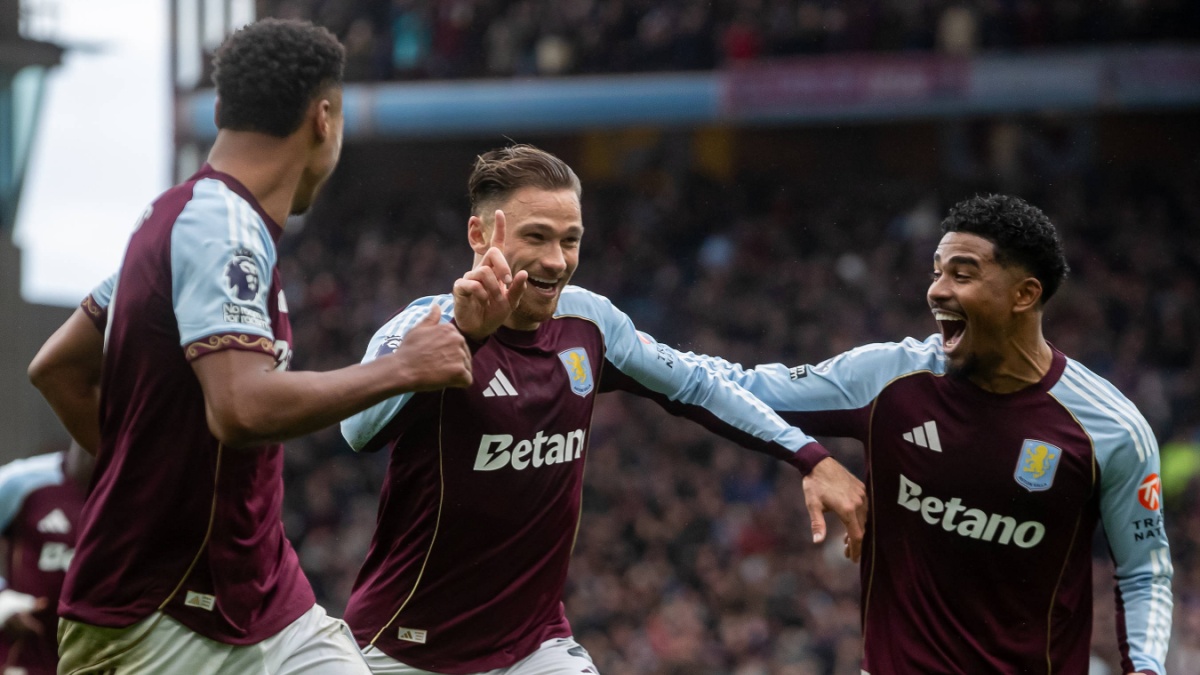
Last season, Aston Villa returned to the Champions League for the first time in nearly four decades while celebrating its 150th anniversary, two milestones which made their kits impossible to forget.
“Featuring on Villa’s shirt was a great way to introduce Betano to the local audience,” says Tomasz Majewski, Head of Sponsorships at Kaizen Gaming.
“As the top league in the world, the Premier League has a very loyal audience, with many fans watching matches beyond those of their own team. It possesses an international appeal no other domestic league can match.”
The benefits flowed both ways, with the Premier League’s competitiveness making partnerships with operators like Betano crucial for clubs outside the traditional Big Six, who rely on these deals to compete at the highest level. Teams like Villa losing a front-of-shirt partner, therefore represents a significant commercial hit. However, Majewski insists the ban will not mean withdrawal.
“I do not see any reason why we should withdraw from the Premier League only because we cannot be visible on the front of shirts. Our entry into the Premier League was never a short-term investment…Our goal is for the Betano brand to still be present in English stadiums in August 2026 and beyond.”
Sponsorship for a new generation
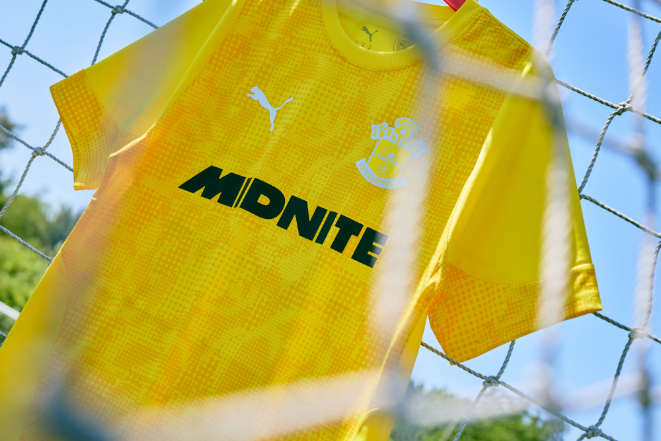
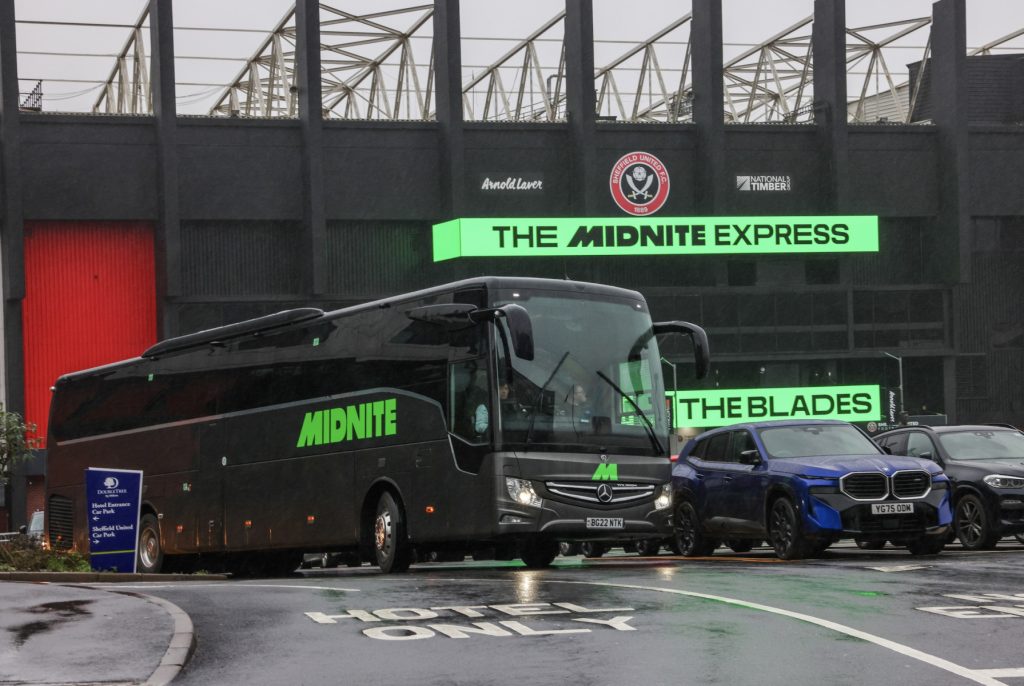
If Betano intends to maintain a presence alongside Villa, it will need to evolve, yet it does not have to look far. Younger brands are already approaching shirts as just one touchpoint in a broader ecosystem. UK-based operator Midnite appears on the front of Sheffield United’s shirt and across Southampton’s travelwear, training kits and back-of-shirt placements, taking full advantage of the Championship’s decision to keep front-of-shirt gambling sponsorships.
“We don’t actually treat front-of-shirt and other placements as significantly different at a base level, they are both affordable fame and media buys give us permission to genuinely connect with fans,” says Andrew Mook, Head of Brand Marketing at Midnite.
Front-of-shirt is, and always will be the prime asset, but training kits, travelwear and other placements also provide organic visibility which reaches digitally engaged audiences.
Fans consuming snippets of pre-match routines, behind-the-scenes content, or social-led activations are as valuable as those who notice the matchday logo, highlighting a change toward continuous touchpoints rather than one-off moments.
Midnite prioritises active participation over passive impressions, which have unfortunately become standard among many Asian brands sponsoring Premier League clubs in recent years.
The company delivers this through initiatives such as subsidised coach travel, supporter events and other authentic engagement, creating value a logo can’t provide on its own.
“Ultimately, it is activation over exposure,” Mook says, noting proprietary AI modelling and data-led insights allow the brand to measure impact across every touchpoint.
In this model, football becomes a content platform, fans become active participants and every asset contributes to a cohesive ecosystem. Betano has hinted it sees the landscape moving in this direction.
“Ultimately, the future isn’t about finding one single replacement for the front-of-shirt spot,” Majewski says. “It’s about building a 360-degree ecosystem where sleeves, training gear and digital content work together to tell a more complete brand story.”
An alternative to the Premier League
Premier League sponsors may not only look to replicate the operational model of brands like Midnite, but could start targeting the places where these brands have already established influence.
The Championship, which chose not to ban gambling sponsors on front-of-shirts, offers an attractive alternative. Clubs in the second tier rely heavily on the revenue from these partnerships and brands gain visibility in a setting where fans value presence as much as prestige.
Sheffield Wednesday is a prime example of this in action, the club has endured a turbulent season, struggling to pay players and entering administration in October 2025. In such moments, a committed sponsor becomes a stabilising force.
“When we came in, the focus wasn’t about headlines or short-term exposure; it was about stability,” says Marco Trucco, CMO at Immenese Group, owner of Mr Vegas. “It was about reassuring the club, the fans and the wider football community that we were there for the long haul.”
Would a sponsor lose some exposure by moving down a league? Certainly. But the Championship’s reach is far from negligible.
In the 2023/24 season, the EFL, comprising the Championship, League One and League Two, attracted 23.7 million attendees. Of this total, more than half came from the Championship, which recorded higher attendances than La Liga, the Bundesliga and Serie A that season.
Trucco explains the Championship offers more than fan exposure; it provides a deeper, more authentic connection than often seen in the English top-flight.
“Fans are less driven by results alone and loyalty tends to hold even during difficult periods,” he adds.
There’s also an operational flexibility which doesn’t always exist when working with the Premier League’s giants.
“Clubs at this level are generally more accessible and collaborative. They’re usually willing to adapt and do more than what’s written in contracts, which matters because ideas change and not everything can be planned from the outset.”
An unbiased perspective
With front-of-shirt space set to disappear, the Premier League sponsorship market is entering uncharted territory, but not a vacuum. Williams explains scarcity will immediately drive up the value of secondary assets.
“Sleeve placements, training kits and other rights are suddenly the most sought-after inventory and prices will reflect that heightened visibility,” he says.
At the same time, Williams notes entirely new industries are stepping into the fray. “FX, crypto, fintech, and payroll brands are beginning to compete for spaces which were once dominated by bookmakers, while UK brands long priced out by the dominance of gambling operators may finally return.
“The front of the shirt may go, but the commercial ecosystem doesn’t collapse. It reshuffles. Clubs won’t lose as much revenue as some feared; the value simply migrates elsewhere in the package.”