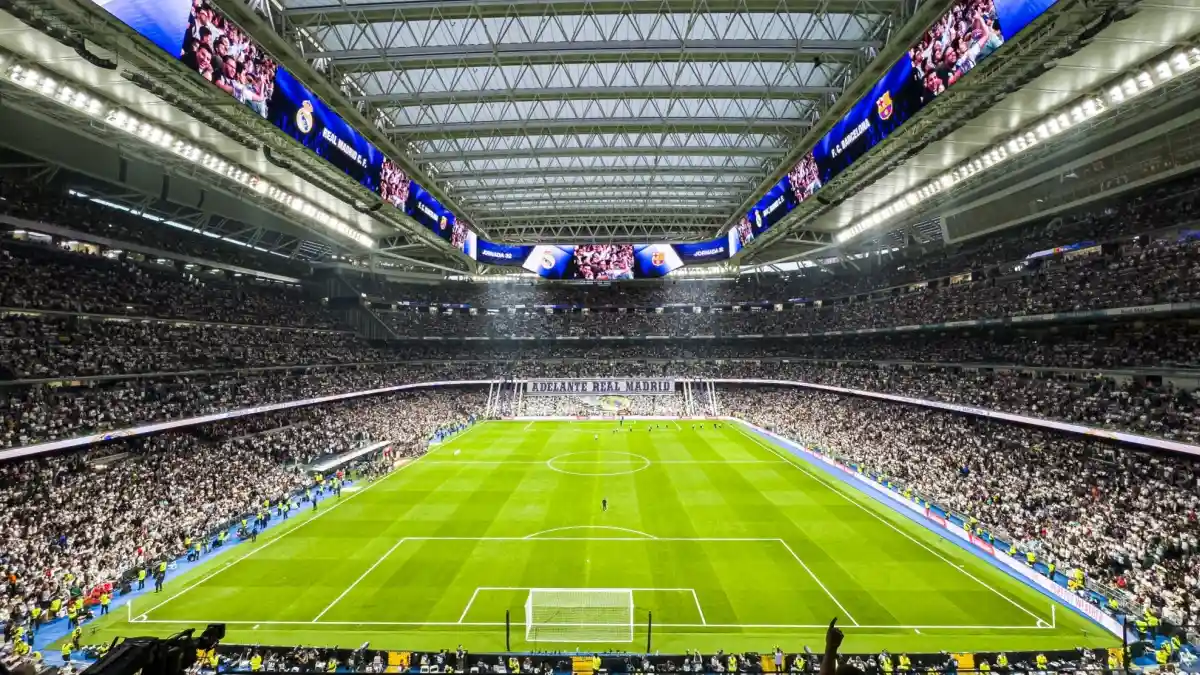
If Manchester United has any doubts about its plans to build a new stadium, the club only has to look at the success of Real Madrid’s Bernabéu project.
Real Madrid has reported record financial results, keeping its place at the top of football’s commercial table.
The club published its 2025/26 financial results on 28 July, confirming operating revenue of €1.22bn, an increase of 3.1% year-on-year. Real Madrid also posted €287.4m in EBITDA, up 18%, and a net profit of €26m, taking the number of consecutive seasons the club has finished in profit to 26.
Comparing the figures to the 2018/19 season, the club saw gains in broadcast and competition income, which crept up from €287m to €319m. Marketing also increased, jumping 82% from €296m to €539m as the club secured new deals with sponsors.
However, the majority of the season’s income came from the club’s renovated stadium. Real Madrid said the Bernabéu accounted for 41% of total operating revenue, with stadium income more than doubling since 2018/19, the year before the renovation began.
Building the ‘Wembley of the North’
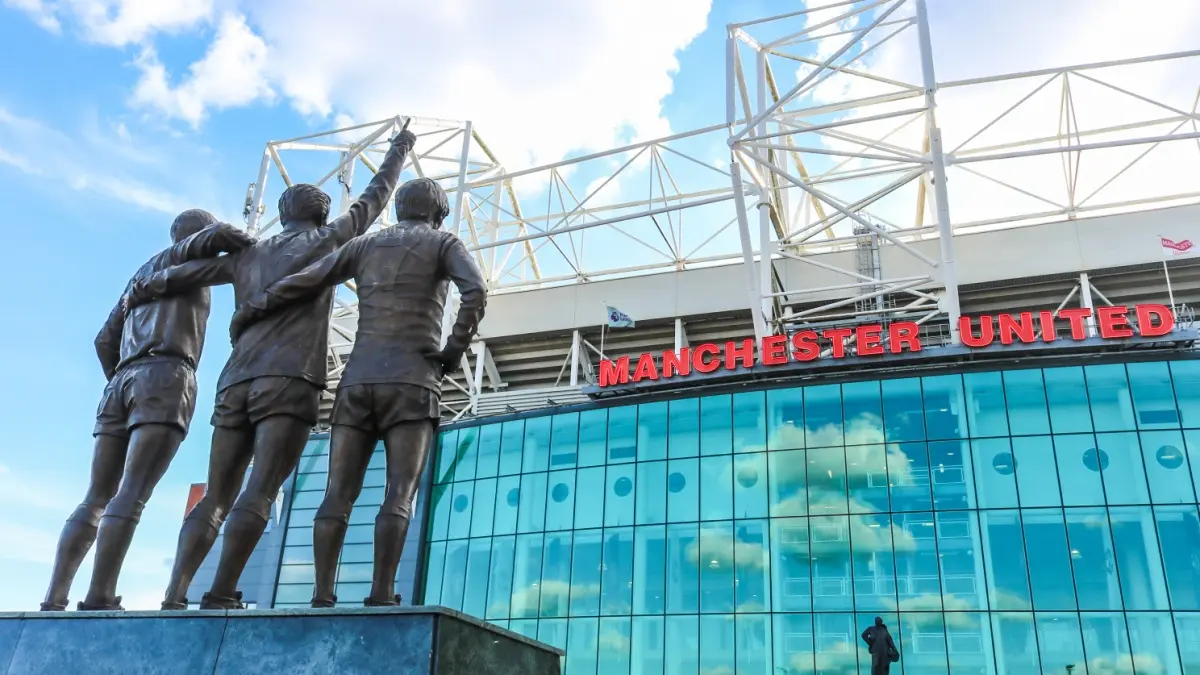
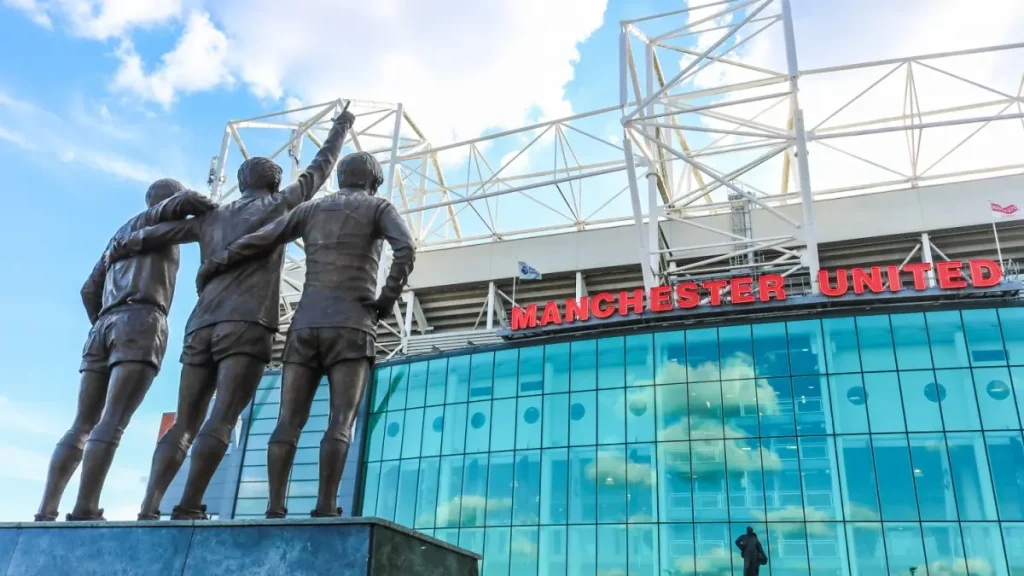
Manchester United is attempting something similar, but with an even more ambitious goal in mind. Plans are underway for a new 100,000‑seat stadium in Trafford Park, a project expected to cost more than £2bn and described by minority owner Sir Jim Ratcliffe as the “Wembley of the North”.
The proposed stadium would replace Old Trafford’s current 74,000 capacity and form part of a wider regeneration project across the Trafford area. Manchester United has said the venue would be used year-round, hosting concerts and non-football events, something its Premier League counterpart Tottenham Hotspur has been doing since its upgrade in 2019.
The club is still in the planning phase, with design work ongoing and discussions with local authorities, but recently made some ground by buying a vital piece of land.
How Real Madrid’s model compares to Man Utd’s plans
One of the biggest differences between the clubs is ownership. Real Madrid’s member-owned structure allows it to reinvest profits directly into facilities and squads without shareholder expectations, whereas Manchester United has to justify long-term returns to private owners.
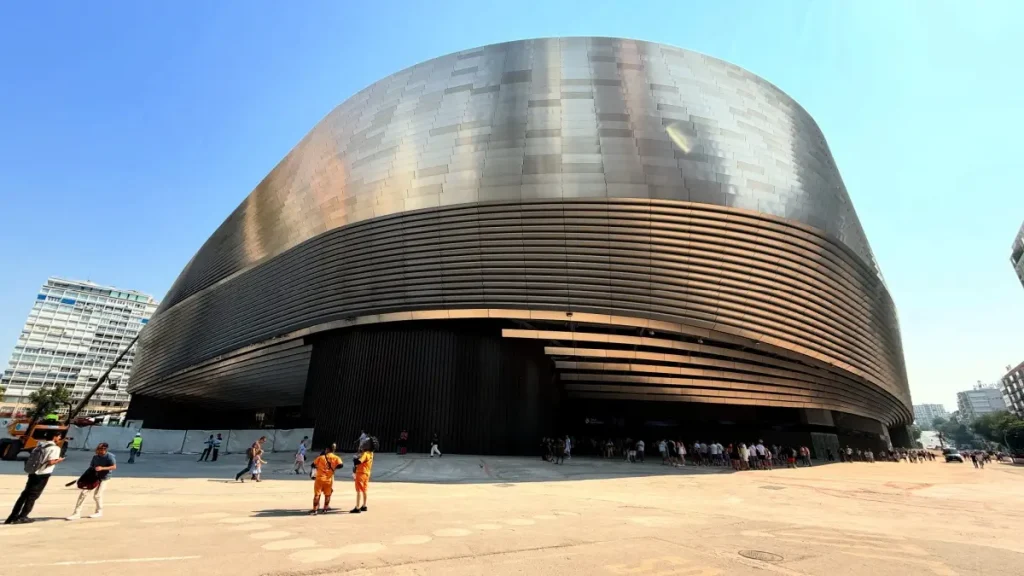
Real Madrid’s renovation cost €1.4bn and focused on transforming an existing stadium. United’s proposal is a full rebuild to the dismay of some supporters, with a significantly larger capacity and a surrounding district.
The Spanish club has already hosted non-football events at the Bernabéu, including concerts and entertainment shows, and the club has explored naming rights discussions in recent years.
Manchester United intends to do both, announcing recently that it would explore selling naming rights.
While the La Liga club’s recent numbers show that an improved stadium can have a significant impact on earnings, they can’t be taken as gospel for what the Premier League club will see.
Manchester United generated £160.3m from matchday activities in 2025, which is attributed to ticket sales and hospitality at Old Trafford. Real Madrid does not break down its stadium revenue in the same way, but the club’s numbers suggest a mix of matchday income, hospitality, events and year-round commercial use.
Lessons from the Bernabéu
While Real Madrid’s record numbers show the financial potential of a modernised venue, the Bernabéu project also has some lessons for Manchester United.
Following its renovation, Real Madrid faced backlash from resident groups over noise pollution, leading to court actions and the suspension of high-profile concerts. This led the club to spend on extra soundproofing just to avoid council limits on its non-football events.
Manchester United will likely face similar hurdles in Trafford Park because dropping a 100,000-seat, multi-purpose stadium into the area will inevitably mean navigating planning pushback, environmental reviews and unhappy neighbours.