











A landmark Deloitte report shows Real Madrid redefining football’s revenue model while Premier League giants lose ground, missing out on the top three for the first time since 2019/20.
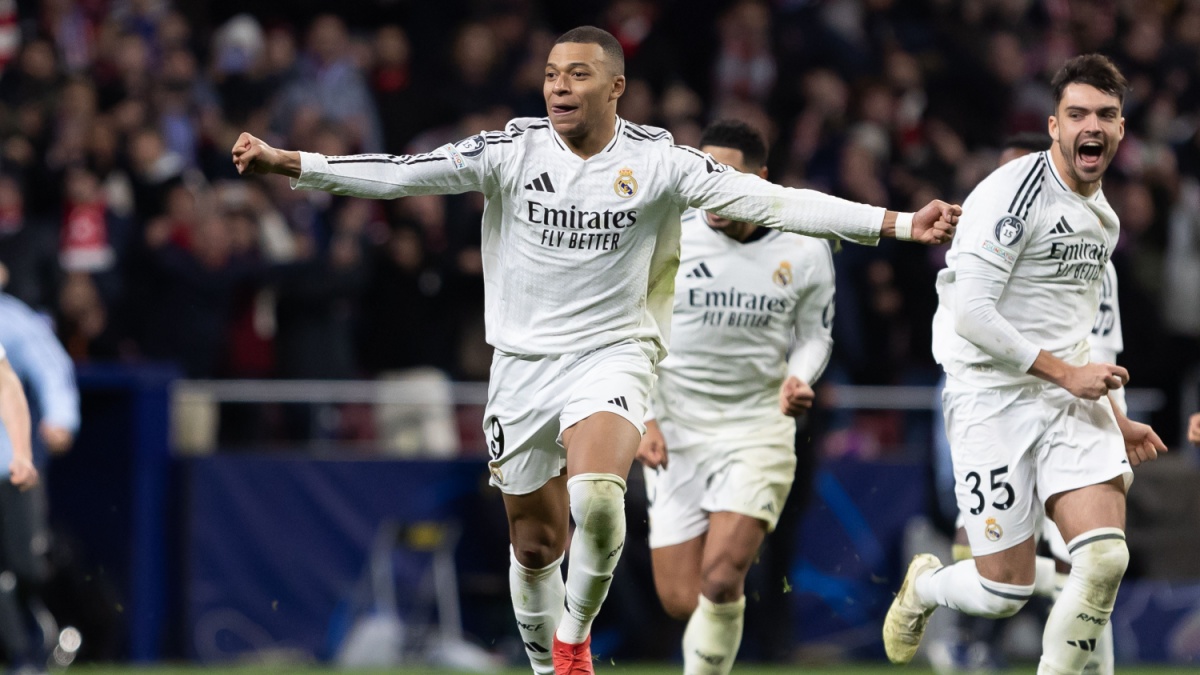
Real Madrid’s commercial machine has reached a level that would have sounded like satire a decade ago.
Deloitte’s 2026 Football Money League reveals the Spanish giants generated €594m in commercial revenue alone during the 2024/25 season – a figure so large it would place them comfortably inside the top 10 clubs worldwide even without a single euro from matchday or broadcast income.
It is the most significant sign yet that elite football’s financial model has entered a new era, one where brand power, global merchandising, and year‑round stadium monetisation increasingly outweigh what happens on the pitch.
The headline number helped Real Madrid extend their lead at the top of the Money League, posting a record €1.2bn in total revenue. But the ripple effects of this shift are visible throughout the rankings — and nowhere more so than in the Premier League.
A new podium with no UK representation
For the first time since the 2019/20 edition, no UK club features in the top three. Barcelona returned to second place with €975m, despite still playing away from Camp Nou, while Bayern Munich climbed to third on €861m, boosted by their participation in the expanded FIFA Club World Cup.
The Premier League’s traditional financial dominance is still visible; England has more clubs in the top 20 than any other country, but the absence of a UK club from the top three underscores a subtle but important change. Liverpool were the highest‑earning English club, finishing fifth with €836m, buoyed by a return to the Champions League and a strong commercial year.
Manchester City slipped from second to sixth, while Manchester United dropped to eighth, their lowest position in Money League history. Further down the table, the Premier League’s depth remains unmatched, with 11 English clubs in the top 30. But the days when English clubs dominated the podium appear to be fading, at least for now.
Commercial revenue becomes king
Across the Money League, commercial income hit €5.3bn, the first time it has ever crossed the €5bn threshold. For the third straight year, it was the largest revenue stream for top clubs.
Deloitte highlights several drivers:
- Stadiums becoming 365‑day entertainment hubs with breweries, hotels, restaurants, and event spaces
- Retail expansion, including Liverpool’s 21 global stores
- Lifestyle partnerships, such as PSG’s ongoing collaboration with Air Jordan
- Direct‑to‑consumer content and digital membership models
The result is a widening gap between the very biggest brands and the chasing pack. For top‑10 clubs, commercial revenue now accounts for 48% of total income; for clubs ranked 11–20, it’s just 32%.
Matchday revenue surges as clubs rethink the stadium
Matchday revenue reached a record €2.4bn, growing faster than any other stream for the fourth consecutive year. Personal Seat Licences, once a niche American concept, are now a major European revenue lever.
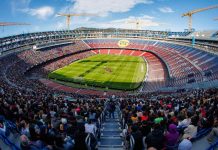
Barcelona generated around €70m from PSLs linked to their stadium redevelopment, mirroring Real Madrid’s approach the previous season.
Stadium upgrades, hospitality expansions, and premium experiences are becoming essential tools for clubs seeking growth in a world where domestic broadcast markets are stagnating.

Broadcast income still matters — but less for the elite
Broadcast revenue rose 10% to €4.7bn, driven heavily by the expanded FIFA Club World Cup. Ten Money League clubs participated, receiving a 17% uplift in broadcast income.
But the reliance on TV money is shifting down the table. For clubs ranked 11–20, broadcast accounts for 49% of revenue; for the top 10, it’s just one‑third. That divergence explains why clubs like Stuttgart and Benfica (both boosted by European competition and Club World Cup participation) re‑entered the top 20 for the first time in over a decade.
A global reshaping on the horizon
Deloitte notes that Saudi Pro League clubs and Inter Miami are emerging as genuine commercial challengers. With star‑driven squads and global visibility, they could soon break into the Money League, a development that would have been unthinkable even five years ago.
Meanwhile, Ligue 1’s broadcast collapse means only PSG appear in the top 20, and Serie A and LaLiga are experimenting with international fixtures to grow their brands abroad.