


As Andy Burnham, a major supporter of the Old Trafford regeneration, looks ready to start a new chapter in Westminster, Manchester United take a step forward with the project
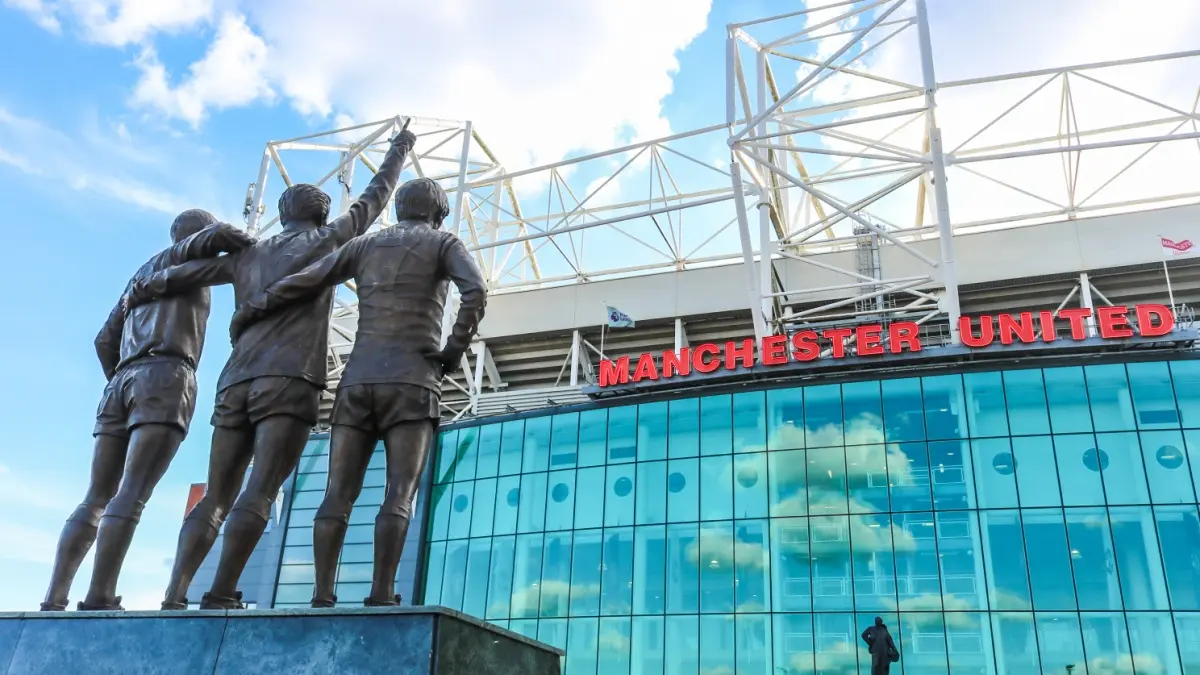
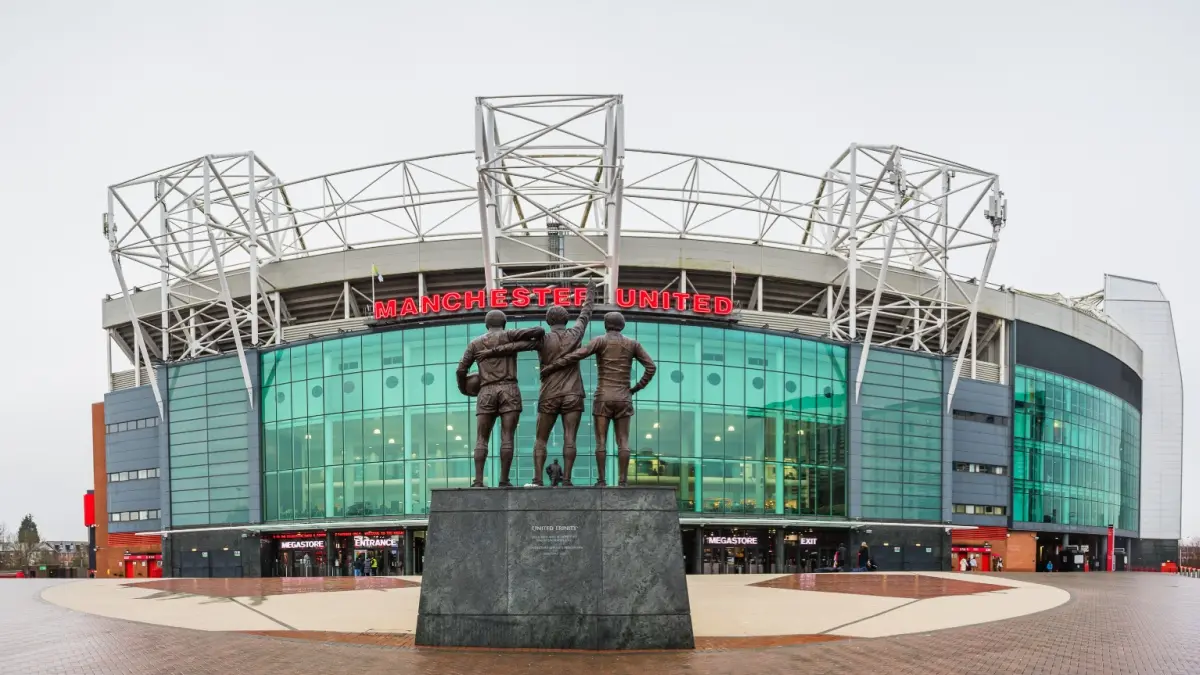
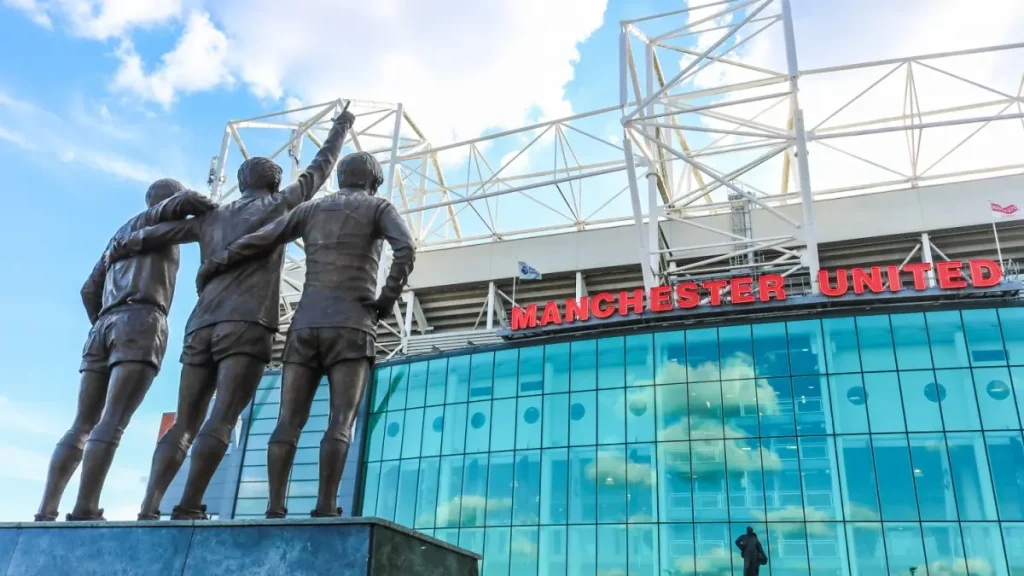
Manchester United have made significant progress in plans to build a “Wembley of the North” after purchasing a 25‑acre site near Old Trafford.
Collette Roche, CEO of Manchester United New Stadium Development, announced the deal earlier today (22 June), saying the acquisition allows the Premier League club to move into the next phase of development.
The land, located around 350 metres north‑west of the current ground, was previously owned by Indurent, a Blackstone portfolio company. No purchase price has been publicly disclosed at this moment in time.
“Being able to build so close to Old Trafford allows us to preserve the heritage, traditions and rituals that are so important to our fans,” said Roche.
“We are committed to building a world‑class stadium with our supporters, not just for them, with atmosphere, affordability and accessibility at the heart of our thinking.”
The club has been working with Trafford Council and the Old Trafford Regeneration Mayoral Development Corporation to ensure the site aligns with the wider redevelopment strategy for the area.
United said the new stadium would act as a catalyst for the 370‑acre regeneration zone, which is projected to deliver around 15,000 new homes, create 48,000 local jobs and contribute more than £7bn a year to the UK economy.
The Old Trafford Regeneration Mayoral Development Corporation will publish its full vision for the area on 9 July, when further details on the stadium site and the formal consultation period will be released.
Solving a freightliner‑sized issue
For more than a year, Manchester United’s stadium plans were overshadowed by a land dispute with Freightliner, the freight operator that runs the Trafford Park rail terminal.
The site, positioned close to Old Trafford, was viewed as essential to delivering co‑owner Sir Jim Ratcliffe’s proposed 100,000‑seat “Wembley of the North”.
Freightliner, owned by Canadian infrastructure group Brookfield, has operated the terminal since the 1990s and was in no rush to vacate. As reported last year, the company was seeking around £400m for the land, roughly ten times the £40–50m Manchester United believed it was worth.
The standoff threatened to cause significant delays, legal challenges and the possibility of a compulsory purchase order, a route that would have pushed the project past its 2030 timeline.
However, following the purchase of the new Indurent site, it is now understood that Manchester United no longer view the Freightliner land as necessary for the regeneration project.
The 25‑acre acquisition provides the majority of the land required, allowing the club to progress without resolving the dispute or meeting Freightliner’s demands.
Manchester United’s funding question
While securing the Indurent site removes one of the biggest barriers to a new stadium, the financial challenge is still extremely significant.
Manchester United’s regeneration plan carries an estimated £4.2bn price tag, with more than £2bn allocated to the stadium alone. Just last week, the club took on additional borrowing and is still managing a major debt inherited from the Glazer family’s leveraged takeover.
United agreed last week to take on $550m (£410m) in new borrowing, refinancing existing notes and extending repayment timelines into the next decade. United also amended its existing $225m secured term loan and continues to operate a revolving credit facility with a £400m cap.
The Premier League side was debt‑free before the Glazer takeover in 2005, but the leveraged buyout placed more than £600m onto the balance sheet. Interest payments alone have exceeded £900m since then and are projected to rise to around £1.29bn under the new terms.
Sir Jim Ratcliffe has previously suggested that elements of the wider regeneration could involve public‑sector support.
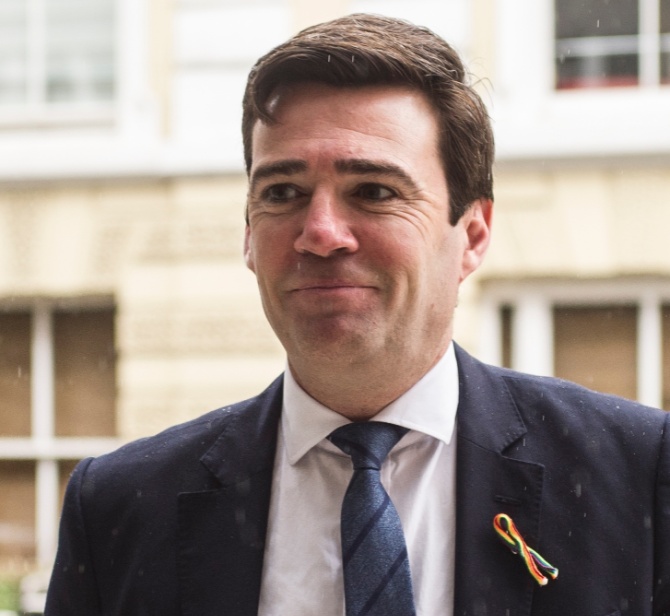
Andy Burnham, a supporter of the Old Trafford regeneration and a key figure in the Mayoral Development Corporation overseeing the project, has left his role as Mayor of Greater Manchester after being elected MP for Makerfield. With Prime Minister Keir Starmer announcing his resignation earlier today, Burnham is expected to be his successor.
Burnham had previously pushed Freightliner to release land around Trafford Park, arguing last year that “by beginning to move freight away from the site we can bring new life to underused industrial land, open up capacity on our rail network, and unlock massive potential across the whole of the North.”
If Burnham does take on a larger national role, it will be interesting to see whether he maintains his backing for the Old Trafford regeneration and responds to Ratcliffe’s calls for public‑sector involvement in funding the wider £4.2bn project.