AI-generated celebrity endorsements are surging online, making it difficult for athletes to control their image and for fans to know which adverts are genuine.
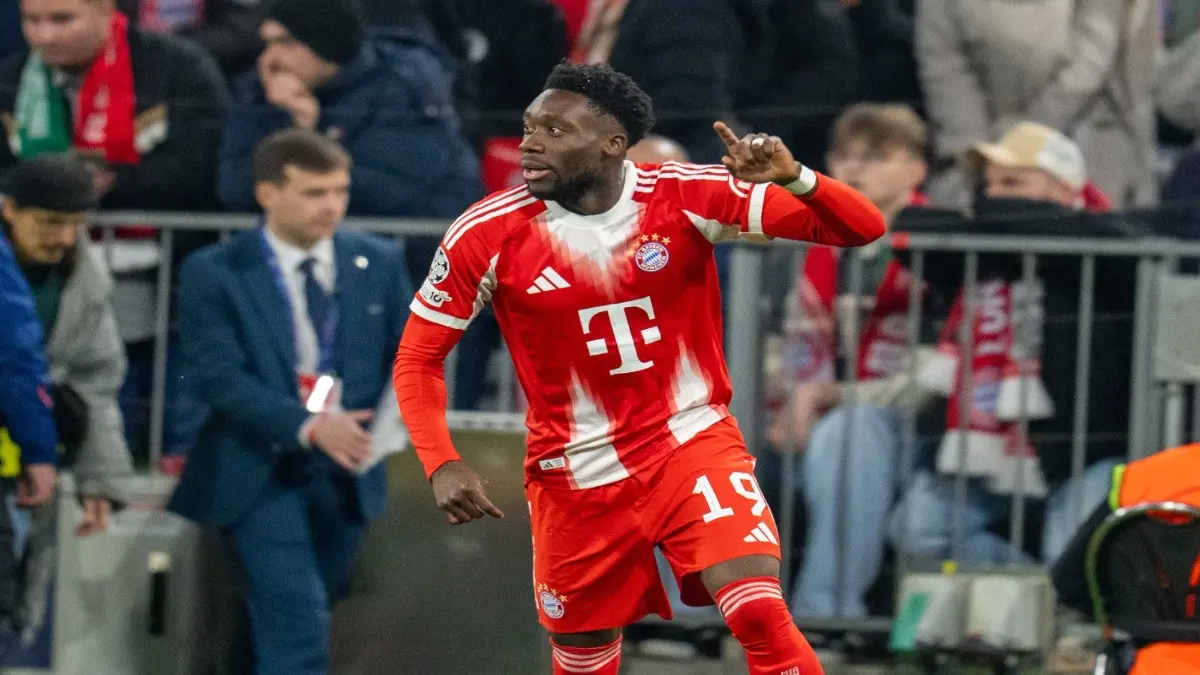
Alphonso Davies has become the latest footballer caught up in an AI-generated advertising controversy.
The Bayern Munich defender’s father was depicted in a fake gambling advert that showed him being arrested by Edmonton police after officers discovered a vault filled with cash.
The Instagram ad, posted by an advertiser called Prime Spin Zone, then claimed the arrest had been a misunderstanding and that the money came from legal gambling winnings.
An AI-generated version of Davies’ father subsequently encouraged viewers to play at the same online casino, while a fake version of Canadian rapper Drake also appeared in the promotion.
Users who clicked the advert would then be directed to Oxibet, an offshore gambling operator based in Comoros and isn’t regulated in Alberta.
Davies’ agent, Nick Huoseh, denied any connection between the family and the promotion.
“They don’t gamble,” Huoseh told the Edmonton Journal. “And Alphonso does not do anything with betting or gambling sites whatsoever. As well, nothing with alcohol and cannabis.”
Not the first unauthorised gambling ad
In June 2023, journalist Rick Westhead reported that Huoseh had instructed a gambling company to remove an Instagram advertisement that featured Davies without his consent.

Huoseh said at the time that Davies’ image was “routinely used” without permission and stressed that the Canada international refuses to endorse gambling companies.
Three years later, the same issue is resurfacing in a more sophisticated form. The 2023 advert used an image of Davies, whereas the latest promotion shows an AI-generated version of his father speaking to the camera and taking part in events that never happened.
The Bayern Munich star is one of many athletes who are being targeted in the same way. An article published by Level estimated that more than 10,000 such ads appeared online over one recent 12-month period.
The report said Cristiano Ronaldo was targeted during the 2026 FIFA World Cup, averaging more than eight fake AI-generated ads per day, while Vinícius Júnior’s legal team has dealt with deepfake campaigns that appeared to show him endorsing financial products and betting apps.
Huoseh told the Edmonton Journal that he wanted to pursue those behind the latest advert, describing AI-created images as “a big problem we have to deal with”.
Can fans tell what is real?
Earlier this year, Insider Sport reported on adverts for mobile game Kingshot featuring Harry Maguire, Jorginho, Gabriel Jesus, Thiago Silva and football journalist Fabrizio Romano.
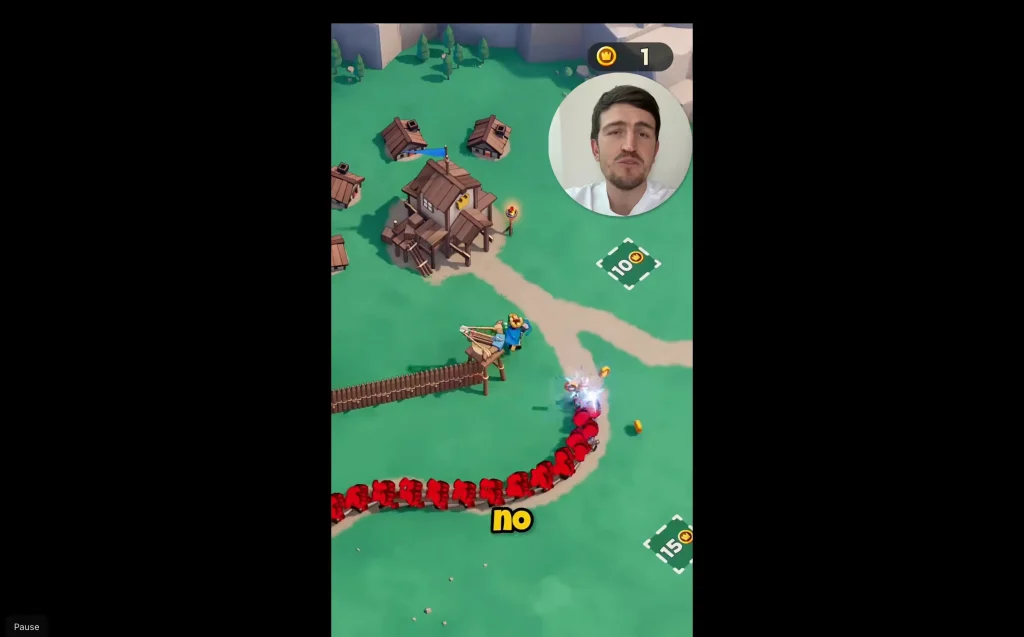
The videos appeared to show the stars speaking to camera about playing the game and encouraging viewers to download it, but some social media users questioned whether the footage was genuine or AI-generated.
In one Reddit discussion about Jesus’ advert, users highlighted visual inconsistencies, including clothing appearing to blend, as possible evidence of manipulation.
AI-generated endorsements are becoming more convincing at the same time as genuine advertising starts to embrace the informal, direct-to-camera style common on social media.
Another issue is that celebrities aren’t always on hand to verify which adverts are real and which have been published without their consent. This is partly because of the number of disingenuous adverts that are being published and the difficulty social media platforms face in identifying and removing them.