


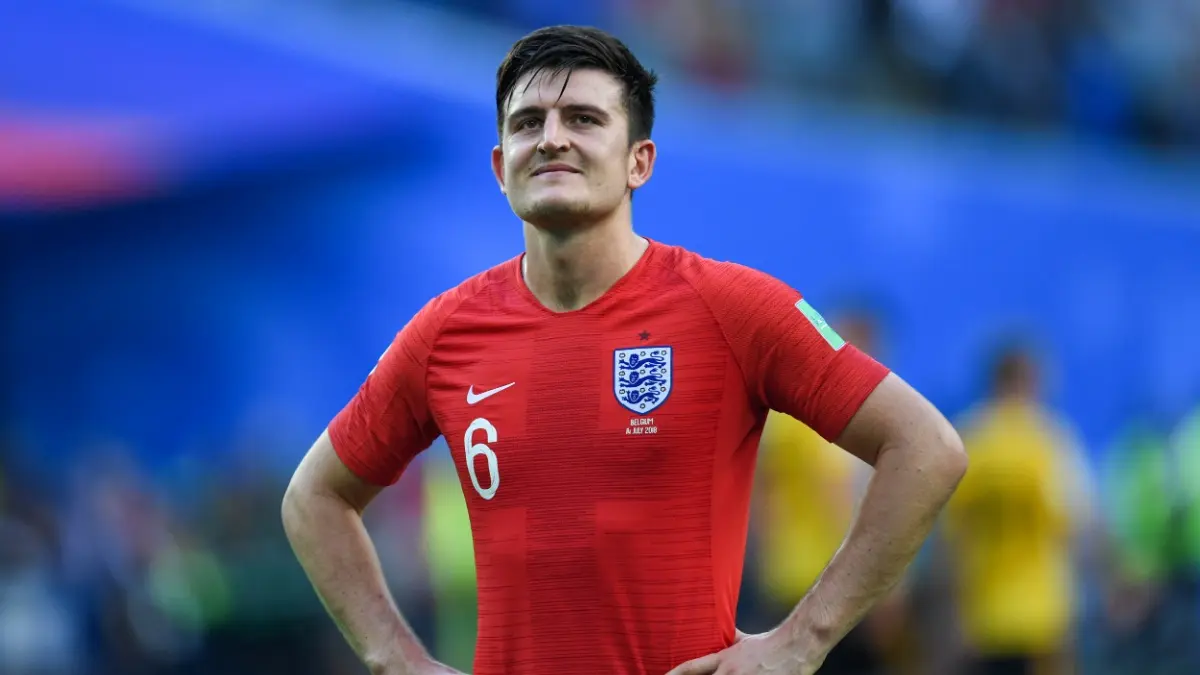
Footballers’ appearances in Kingshot promos have sparked scrutiny after the ads were alleged to show gameplay that doesn’t match the real game
Manchester United’s Harry Maguire and other football stars are alleged to feature in misleading ads for the mobile game Kingshot.
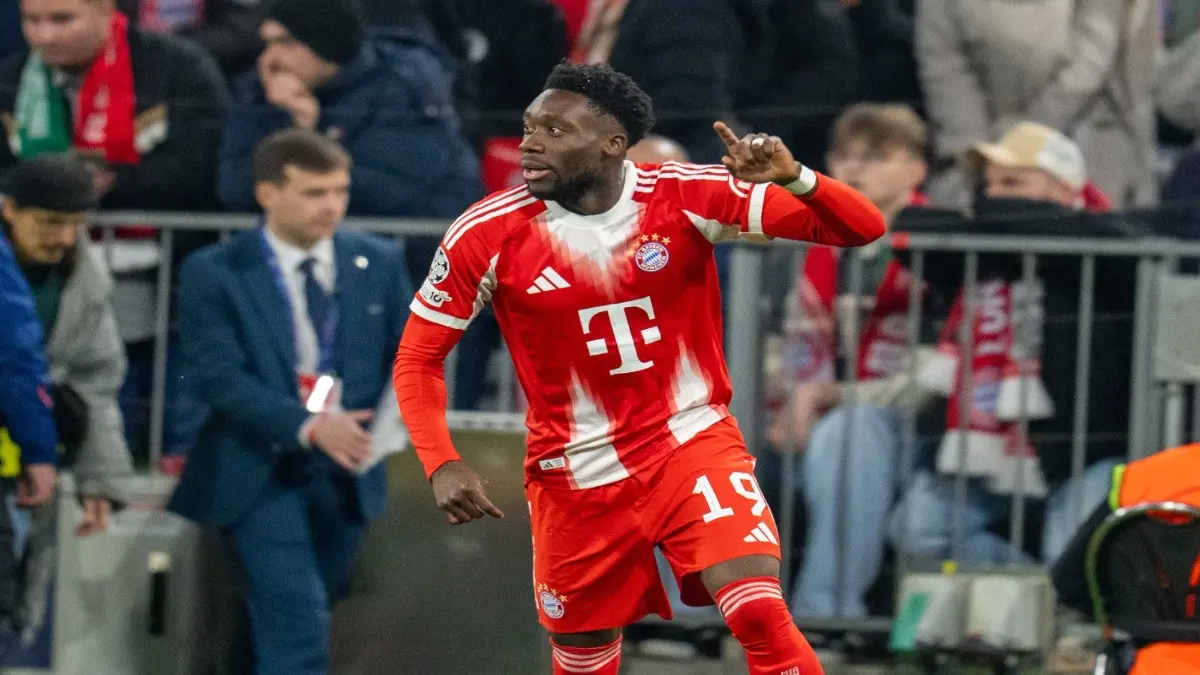
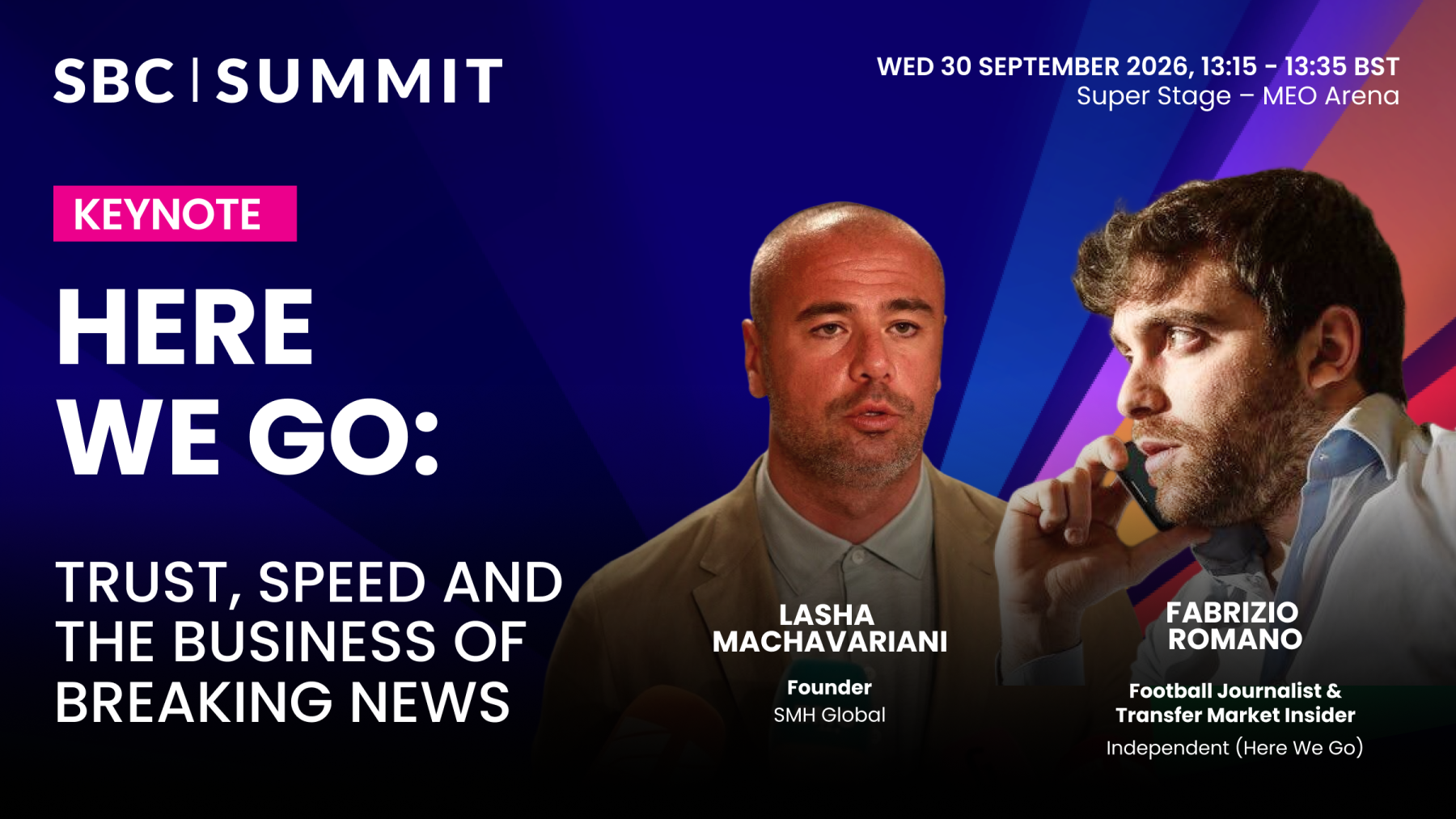
Over recent weeks, Maguire, former Chelsea midfielder Jorginho, Arsenal’s Gabriel Jesus, Fluminense’s Thiago Silva and journalist Fabrizio Romano have all appeared in videos endorsing the game.
The videos seem to be a marketing tactic aligned with the 2026 FIFA World Cup. In the advertisements, the footballer identifies themselves, mentions playing Kingshot on a regular basis and encourages others to download the app.
Kingshot is a mobile strategy and kingdom‑building title in which players act as “governors” tasked with rebuilding civilisation by managing resources, expanding towns and recruiting heroes.
Released in February 2025, it was developed by Century Games and has become one of the highest‑grossing mobile games globally, reportedly generating more than $500m in its first year.
A pattern of misleading adverts
The adverts featuring footballers follow a consistent structure, with the player speaking directly to the camera about how much they enjoy Kingshot, while gameplay footage plays in the background.
In Maguire’s version, he describes the game as “a new hobby of mine” that helps him “take [his] mind off football”. Jorginho claims he has been playing “quite a lot recently”, emphasising repeatedly that “there are no ads”.
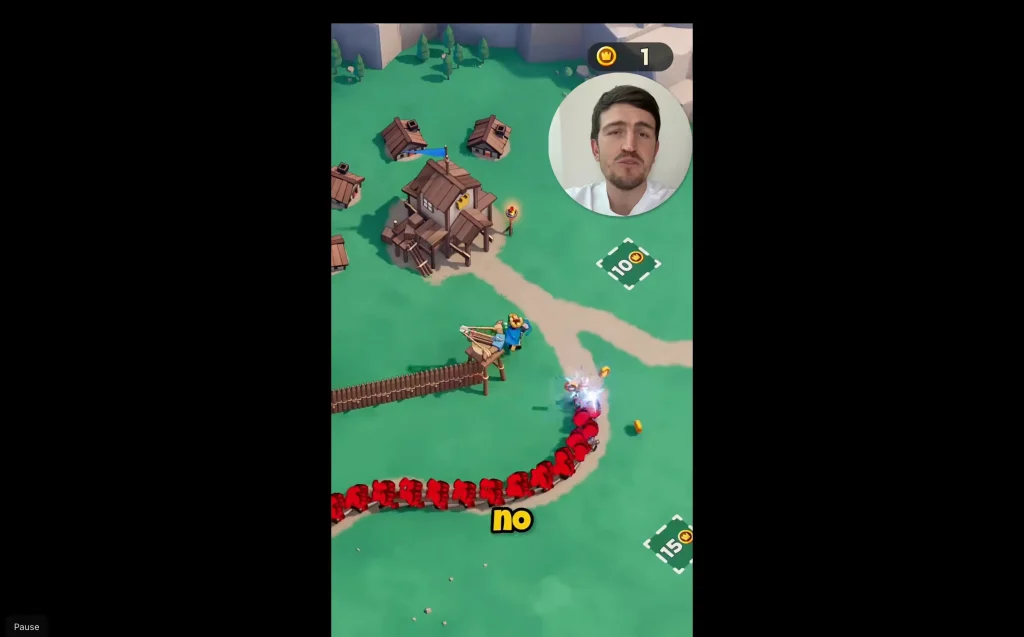
However, the gameplay shown in these videos does not match the experience players experience after downloading the game. The ads show tower‑defence mechanics and action‑heavy sequences that form only a minor part of Kingshot’s actual design. Some users have alleged that the footage resembles gameplay from the indie title Thronefall.
Misleading gameplay has been a recurring issue in mobile game advertising and has led to multiple upheld complaints by the UK’s Advertising Standards Authority (ASA).
An ASA spokesperson told Insider Sport that “if an ad implies that it depicts genuine gameplay footage, but the footage shown is not actual gameplay and the graphics, mechanics, or other features differ from those that consumers experience in the game, the ad may be considered misleading under the advertising rules.”
One recent example involved Evony: The King’s Return, whose advert showed a sniper‑style puzzle sequence that did not reflect the game’s core city‑building experience.
Although the puzzle element existed within the game, the ASA ruled that presenting it as the primary gameplay was misleading. The ad was banned, with the regulator concluding that it “did not reflect the game’s core playing experience”.
Kingshot’s adverts appear to follow a similar pattern, showcasing a small or non‑representative part of the game while implying it is the main experience.
Real or AI-generated?
The adverts have been the subject of social media posts, with some users questioning whether the players are aware they are being used in the campaign. Earlier this month, Kylian Mbappé and several of his France teammates objected to the use of their images in a Betclic promotion after players claimed they were never informed that their images would be used by the bookmaker.
Others have suggested the videos resemble celebrity Cameo‑style recordings, short personalised clips usually purchased for birthdays or greetings.
While standard Cameo videos cannot be used commercially, Cameo for Business allows companies to pay for celebrity endorsements that can appear in advertising. However, it is unclear whether Kingshot’s videos were produced through such a service.
Some viewers have questioned whether the clips are AI‑generated. In a Reddit thread discussing Jesus’ advert, users highlighted visual inconsistencies, including a jacket appearing to blend into his T‑shirt, as evidence that the footage may have been manipulated.
AI‑generated endorsements are becoming more common, with brands using synthetic celebrity likenesses or AI‑generated customers to create fake testimonials.
There are currently no UK rules requiring advertisers to disclose when AI has been used. In the EU, new obligations under the AI Act will begin applying in August, requiring deepfake images, audio and video to be clearly labelled, but these rules will not apply in the UK.
An ASA spokesperson told Insider Sport that advertisers “must hold evidence to show that a testimonial or endorsement used in an ad is genuine, unless it is obviously fictitious”, and must also hold contact details for the person giving the testimonial.
Ads “mustn’t feature a testimonial without permission”, meaning it would be “potentially problematic” if a celebrity’s likeness were used without consent.
Insider Sport has contacted the players’ management teams to clarify whether the endorsements are genuine, but has yet to receive a response.