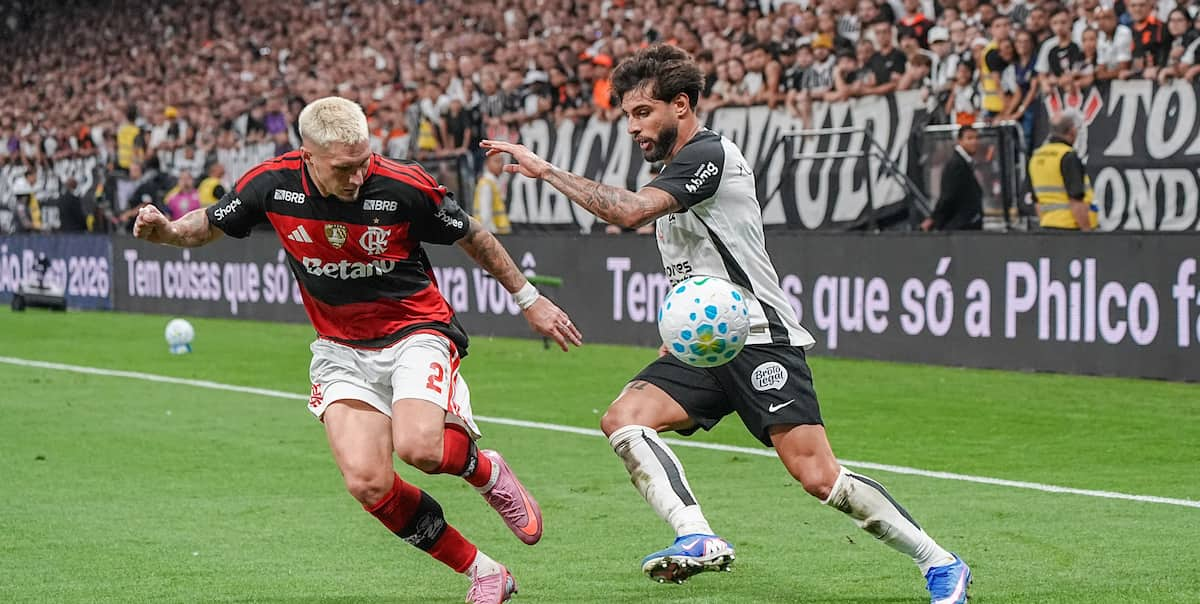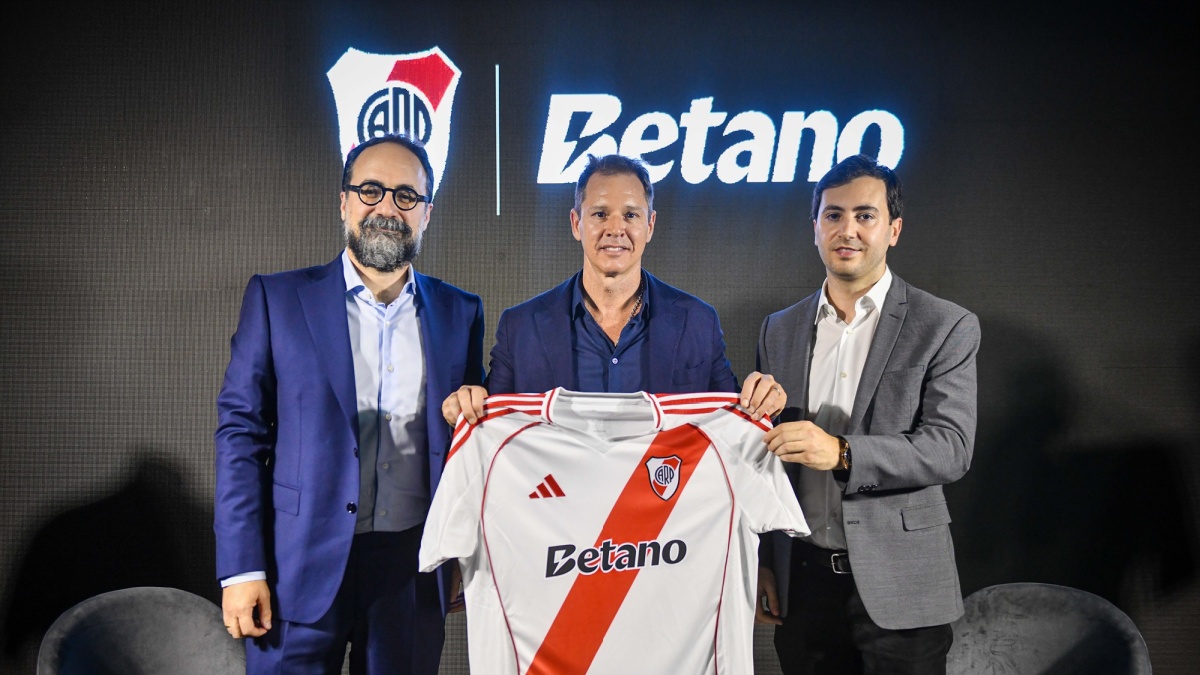



Brazilian club Flamengo has announced a spending containment plan after its sponsorship deal with Betano was suspended following President Lula’s national ban on sports betting.
Betano has suspended its sponsorship with Brazilian football club Flamengo amid President Lula Da Silva’s ban on gambling ahead of the country’s general election.
This was revealed by the Rio-based club on 16 November, during the presentation of its budget proposal for 2027, with R$600m in revenues contracted with the Betano sponsorship for 2027 and 2028.
Faced with the suspension of the agreement, the club decided to exclude all revenues from the betting sector from its financial planning for next year.
The board also foresees an immediate loss of R$350m in revenues, which, added to the previously made commitments and the increase in amortisation expenses and depreciation of investments in the cast, should contribute to an accounting deficit of R$90m in 2027.
Flamengo announces spending containment and projects deficit for 2027
Despite the loss of revenue from betting, Flamengo states that its budget for 2027 preserves the cash balance and the ability to honor financial commitments.
The club projects a total revenue of R$1.535bn for next year, an increase of 14.9% compared to 2024. Recurring EBITDA, an indicator used to evaluate operational performance, should reach R$227m, while total EBITDA is estimated at R$342.9m.
The projection considers the implementation of an expense containment plan that will affect all areas of the club, including professional football and Olympic sports. In addition to reducing expenses, Flamengo intends to consensually renegotiate contracts with suppliers and commercial partners, seeking to adapt the payment and receipt deadlines to the new cash flow.
The board reported that it may review the planning if there are changes in the regulatory or commercial environment throughout 2027.
The wider impact on Brazil football’s finances
In the statement, Flamengo also presented estimates on the consequences of the ban on betting for the financing of national sport.
“In 2025 alone, companies in the betting sector invested about R$1.14bn in direct sponsorships to the 20 largest Brazilian clubs. On average, these resources represented 36% of the marketing revenues of Serie A teams and, in some clubs, more than 70% of sponsorship revenues,” the club said.
“When investments in advertising boards, commercial properties, broadcasting rights and state and national competitions are also considered, direct and indirect losses to the Brazilian football ecosystem are estimated at approximately R$2.5bn per year”.
Flamengo also cited estimates from the Brazilian Olympic Committee (COB), which point to a cumulative reduction of approximately R$2.6bn in resources allocated to Olympic and Paralympic sports by the end of 2027.
The club also questioned the regulatory difference in relation to other South American countries, whose clubs are still authorized to receive investments from betting companies. According to the board, this situation may harm the financial competitiveness of Brazilian teams in continental tournaments.
MP nº 1,394/2026 came into force on September 25 and, last week, the National Congress extended its validity by 60 days. The measure still depends on the analysis of the parliamentarians and is the subject of questions in the Supreme Court (STF), which, for now, only held a public hearing on the subject.
So far, the Luiz Inácio Lula da Silva (PT) government has not proposed anything to reduce the financial impact that football clubs and sport as a whole are feeling with the ban.