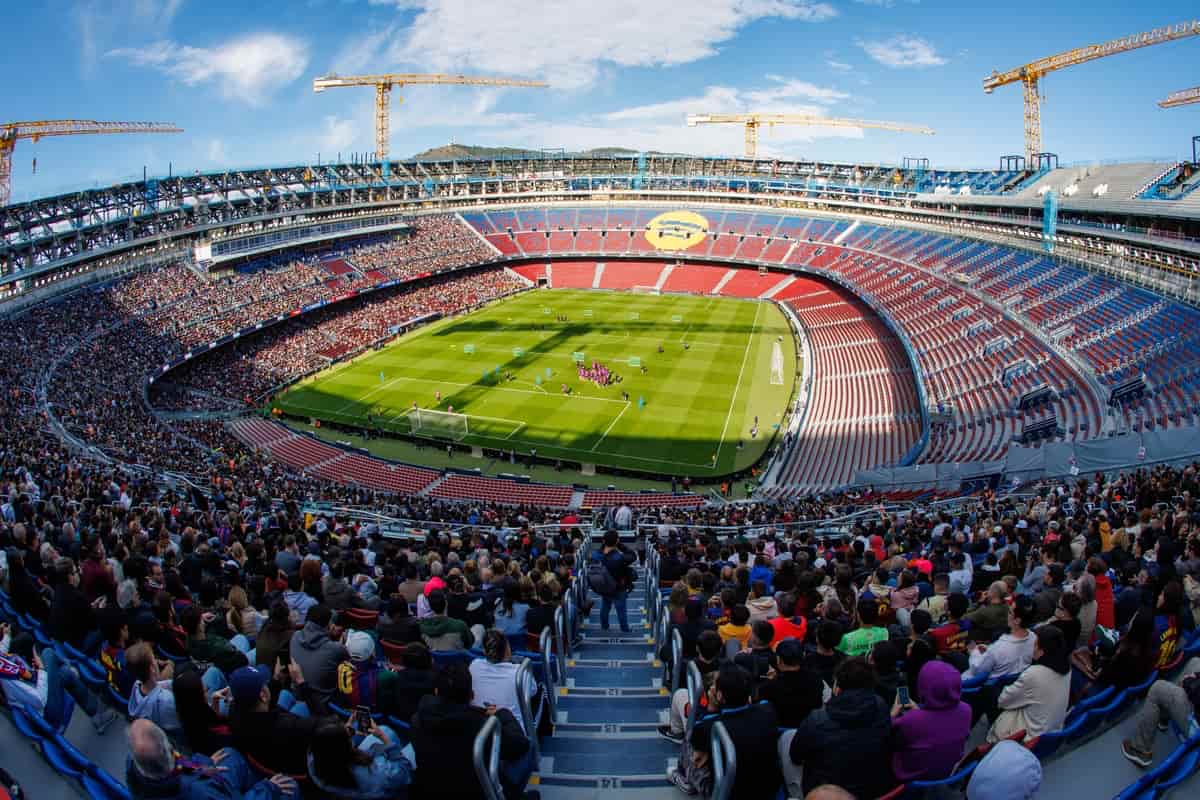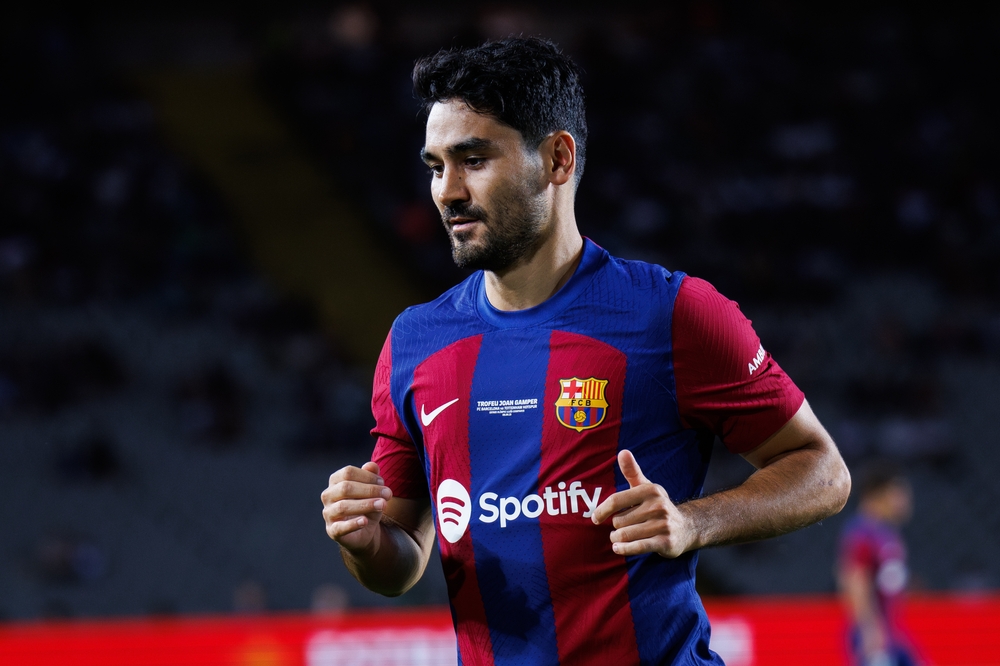



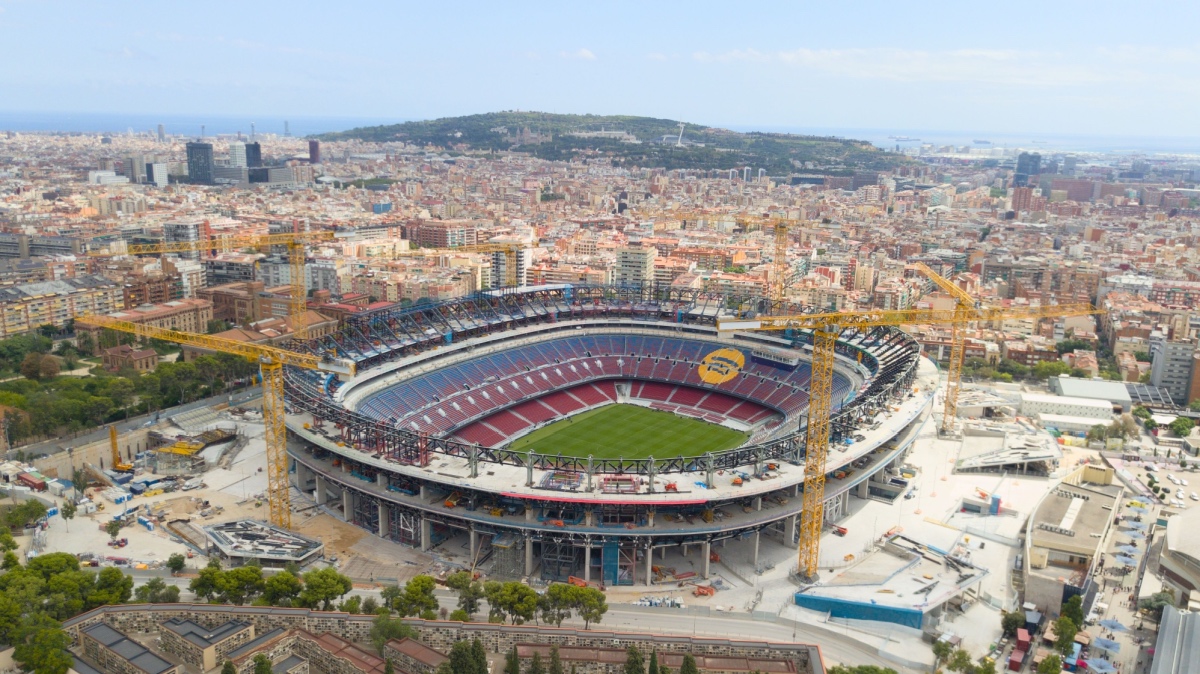
On 28 May, 2023, FC Barcelona played its last match at the Camp Nou to undergo renovations. But over two years later, it is still being built, and becoming a costly venture.
FC Barcelona will play its first home game of the 2025/26 season at its youth academy stadium Estadi Johann Cruyff and not the newly-renovated Camp Nou.
The Blaugrana was expected to play its first home game on September 14 at the Camp Nou, which has been closed for renovations since May 2023, in a La Liga fixture against Valencia. However, the club has still yet to receive a certificate of completion from the city council, La Liga, and UEFA.
In a statement released on September 9, FC Barcelona said the club was “working intensively” to obtain the “necessary administrative permits” for the opening of the Spotify Camp Nou in the coming weeks.
“For this reason, the match (vs. Valencia) will instead be played at the Estadi Johan Cruyff.”
FC Barcelona will be unable to play at the Estadi de Montjuïc, its home stadium for the past two seasons, for the Valencia fixture due to an already scheduled Post Malone concert happening the same day.
Behind Schedule
FC Barcelona was expected to return to the Camp Nou for its annual preseason game – the Joan Gamper Trophy – on August 10, but the fixture against Como was played at the Johann Cruyff instead.
In June, the Catalonia club had been granted permission to play its first three La Liga fixtures away, in order to complete construction on the stadium.
FC Barcelona is expected to play home games against Getafe (September 21), Real Sociedad (September 28) and Paris Saint-Germain (October 1); it is currently unclear whether the Camp Nou will be open for these fixtures.
Under current construction, a new pitch has been installed and reportedly half the capacity of seats have been built. This resulted in the stadium receiving a first phase 1A certification of completion but not sufficient to reopen.
In August, more than 200 safety concerns were reported during a site visit to the new stadium. As of July 2025, a new roof was still being constructed, alongside new VIP and hospitality areas, a new third tier and the surrounding areas of the Camp Nou.
Past failed openings
The latest setback of the Camp Nou reopening is a story all too familiar for FC Barcelona fans over the past year.
A partial opening date was set between November 29 and December 15 for FC Barcelona to return to the Camp Nou, but club officials revealed a return would more likely happen in February 2025.
FC Barcelona then requested an extension on its lease to play at the Estadi de Montjuïc, which expired in March 2025. This was granted and the club subsequently played the remainder of its home games during the 2024/25 season at the Olympic Stadium, but not without potentially teasing a return for El Clasico against Real Madrid in May.
Reports in Spain revealed earlier this year the club was preparing to reopen the Camp Nou in time for the home fixture against arch rivals Real Madrid on May 11, 2025 at half capacity.
This ultimately did not happen and a September 2025 timeframe was set.
The financial incentives of reopening Camp Nou
With multiple reports of failed reopenings over the past year, it is fair to assume FC Barcelona are rushing to host home games back in the Camp Nou due to the revenue it will generate.
Local Barcelona newspaper Mundo Deportivo reported the cost of renovation is around €900m, with the overall Espai Barça project believed to be within the region of €1.5bn. However, this could rise to as high as €2.8bn once complete.
The club have had to refinance debts and loans paid out to the club from Goldman Sachs in order to continue with the construction.
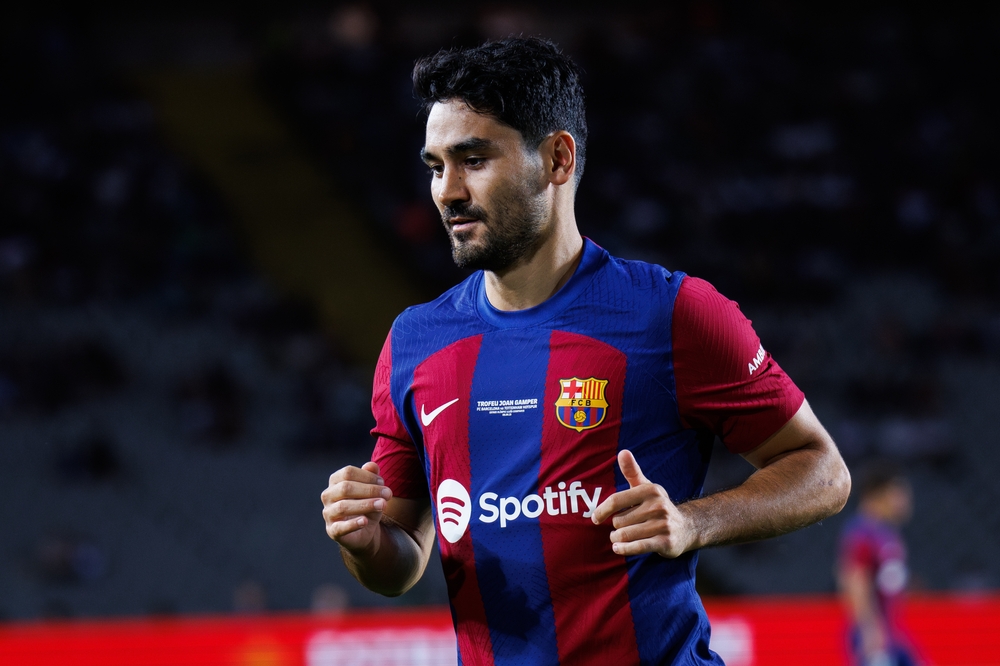
FC Barcelona projects the renovated Camp Nou could generate upwards of €350m in revenue annually once complete. The club is already receiving €70m per year through its four-year sponsorship deal with Spotify, which holds the stadium naming rights for the Camp Nou – titled the Spotify Camp Nou – as well as being the club’s front-of-shirt sponsor.
In a statement released on July 1, FC Barcelona outlined its commercial strategy for the Espai Barça project and how revenue will be generated from the renovated Camp Nou.
With a goal to generate “long-term, sustainable, and recurring income”, Camp Nou will be positioned as a commercial property focusing on selling high-end VIP boxes and hospitality experiences, and has partnered with HPE and Orange to deliver cybersecurity, 5G connectivity and technology across the stadium.
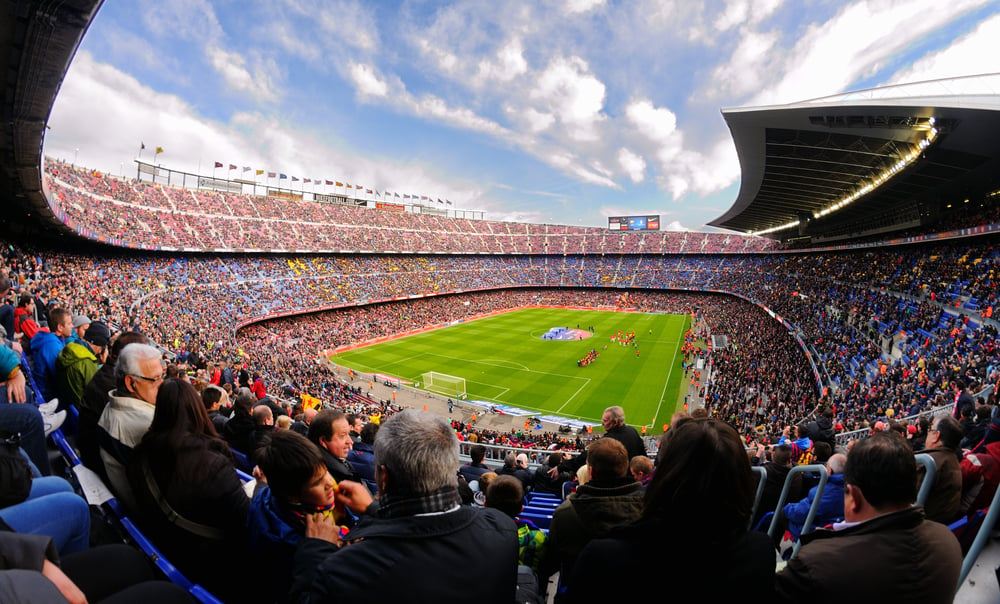
The club will also benefit from an increase in matchday revenue. The Camp Nou, once fully renovated, will hold a capacity of 105,000, making it the largest stadium in Europe.
Catching up to Real Madrid
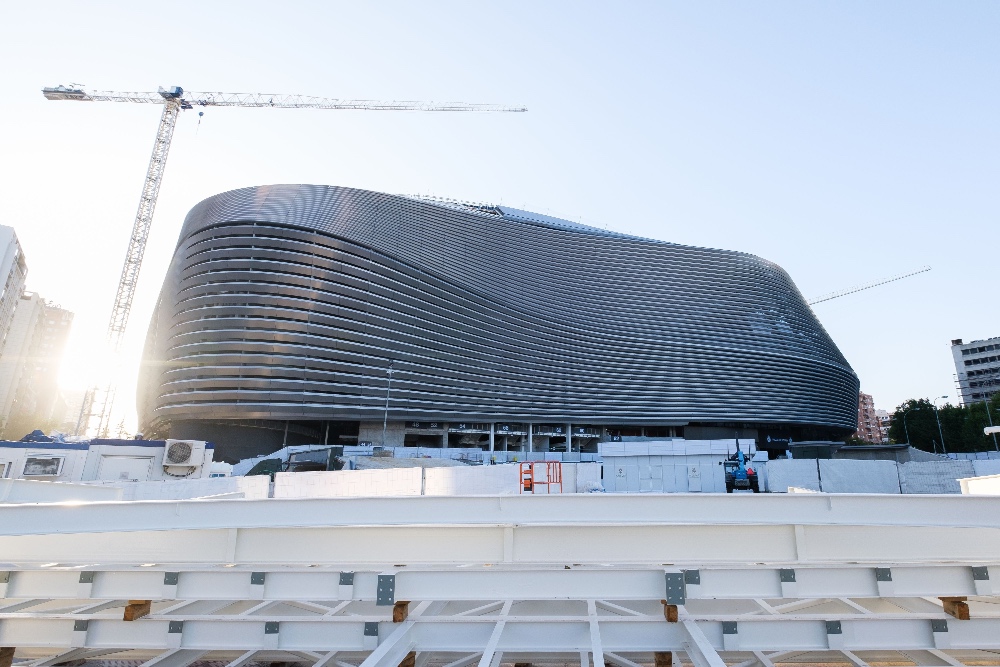
FC Barcelona will also be keen to match or exceed the revenues generated from the newly refurbished Santiago Bernabeu stadium, home to rivals Real Madrid.
Los Blancos began construction on renovating the Santiago Bernabeu in 2019 with Real Madrid playing home games at the Alfredo Di Stéfano Stadium during the 2020/21 season. The team returned to the stadium the following season, albeit under limited capacity, before all construction was finalised in 2024.
The renovated Santiago Bernabeu has been a major revenue driver for Real Madrid and played a key role in the club posting revenues of €1bn-plus in two consecutive years.
With FC Barcelona returning to glory on the pitch, winning La Liga and the Copa del Rey last season, and the emergence of world-class young players such as Lamine Yamal, Pedri and Pau Cubarsí, how long will it be before the club can match their El Clasico rival’s state-of-the-art stadium?