


Premier League and racing inventory used for responsible gambling messages as scrutiny on betting sponsorship intensifies
Premier League training kit, pitchside LED boards and UK racing titles are being handed over to safer gambling messages this week, as Safer Gambling Week activations move from small-print disclaimers into some of sport’s most visible commercial spaces.
Between November 17-23, European Safer Gambling Week is taking place alongside Safer Gambling Week in the UK and Ireland. As part of the campaign, betting operator LeoVegas Group is using its sponsorship assets across football and horse racing to promote responsible gambling tools and awareness rather than standard brand exposure.
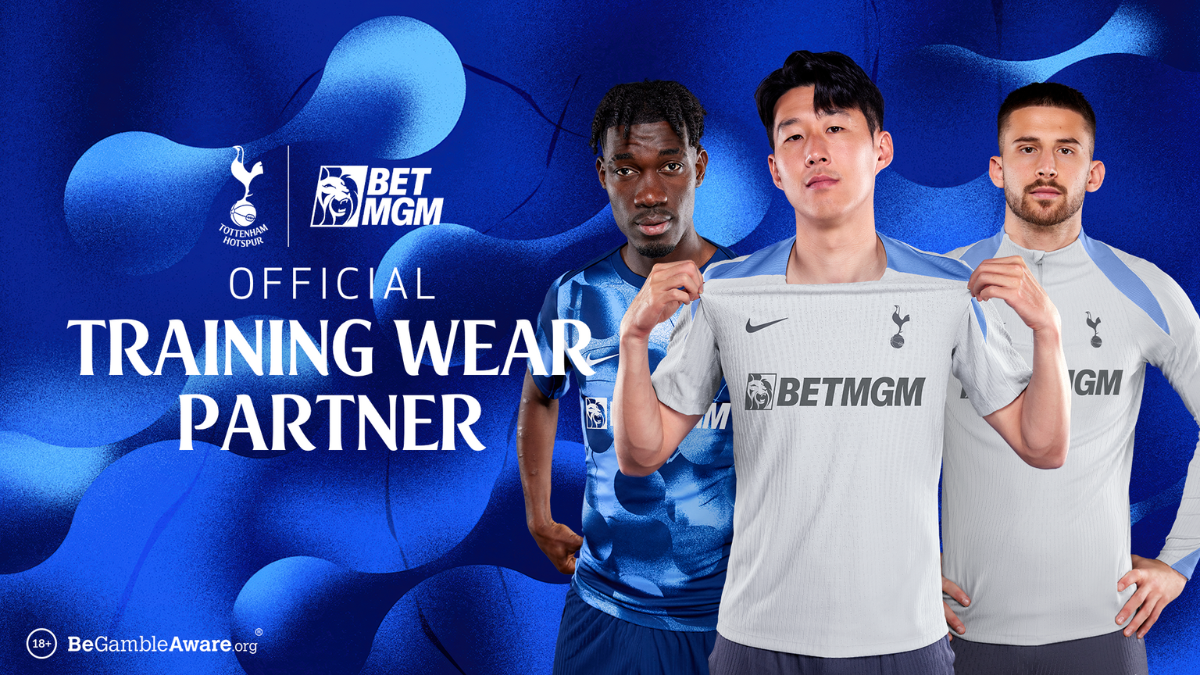
One of the larger moves comes at Tottenham Hotspur, where the training kit sponsor will temporarily remove its logo from the men’s first-team training wear and replace it with the Safer Gambling Week logo.
Given the prominence of training kit in club content, broadcast footage and media photography, the change will put Safer Gambling Week branding in front of global audiences that would usually see operator marketing.
Further visibility will come via Premier League matchdays. Selected fixtures involving Newcastle United and Wolverhampton Wanderers will feature safer gambling messages on pitchside LED boards in the UK and Ireland. Instead of traditional branding, the LED inventory will be used to reinforce campaign themes and signpost safer gambling messaging to supporters watching in stadiums and on television.
The shift extends to horse racing, where LeoVegas holds title sponsorships within Arena Racing Company’s All-Weather Championships. During Safer Gambling Week, sponsored races will carry names such as “Set Deposit Limits at BetMGM” and “Take Time Out During #SGWeek25!”, using race titles themselves to promote deposit limits, time-outs and other player protection tools.
The rebranding means safer gambling prompts will feature in racecards, broadcast graphics and commentary for the duration of the campaign.
Mattias Wedar, LeoVegas Group CEO, said the company was “very happy to be collaborating with field experts and world-leading sports brands throughout the week to promote these important initiatives”. He added that iGaming “is a great source of entertainment” but stressed it is important to gamble responsibly and “make use of all the tools available”.
Gambling on the shirt under increasing pressure
LeoVegas’ decision comes at a time when the visibility of betting brands in sport is under sustained pressure. In the Premier League, clubs have already agreed to remove gambling sponsors from the front of matchday shirts from the start of the 2026/27 season, a voluntary move positioned as a contribution to reducing gambling advertising exposure.
Sleeve deals and other inventory such as pitchside LED boards will remain permissible, but the shirt front is set to disappear as the most contentious slot for betting logos.
That shift sits alongside the UK government’s broader Gambling Act review, where the 2023 white paper promised tougher oversight of advertising and marketing but stopped short of an outright statutory ban on gambling sponsorship in sport. Instead, it signalled closer monitoring of how operators promote their brands and incentives, and left room for further action from the Gambling Commission if industry-led measures are seen to fall short.
Elsewhere in Europe, regulators have gone further. Italy’s “Dignity Decree” has effectively banned gambling advertising and sponsorship, including sports deals, since 2019, with authorities now debating if and how to reopen the door to betting sponsors under tighter conditions and potential levies earmarked for stadium upgrades, women’s and grassroots sport, and addiction programmes.
In Spain, Royal Decree 958/2020 severely restricted gambling advertising and has largely stripped betting brands from club shirts and stadium inventory, part of a package that also curbed the use of celebrities and limited broadcast advertising windows.
At the same time, enforcement action has highlighted the risks around some existing partnerships. In the past year, Premier League clubs have been warned over promoting unlicensed gambling sites on shirts, while the collapse and exit of white-label operator TGP Europe has exposed the extent to which betting sponsors targeting overseas markets relied on UK club deals for visibility. These episodes have underlined both the regulatory and reputational jeopardy for clubs if due diligence on sponsors is found wanting.