










Munegu Sport, betlive.com and Sports Business Academy executives told SBC Summit Tbilisi that sponsorship activation and long-term commitment now decide ROI
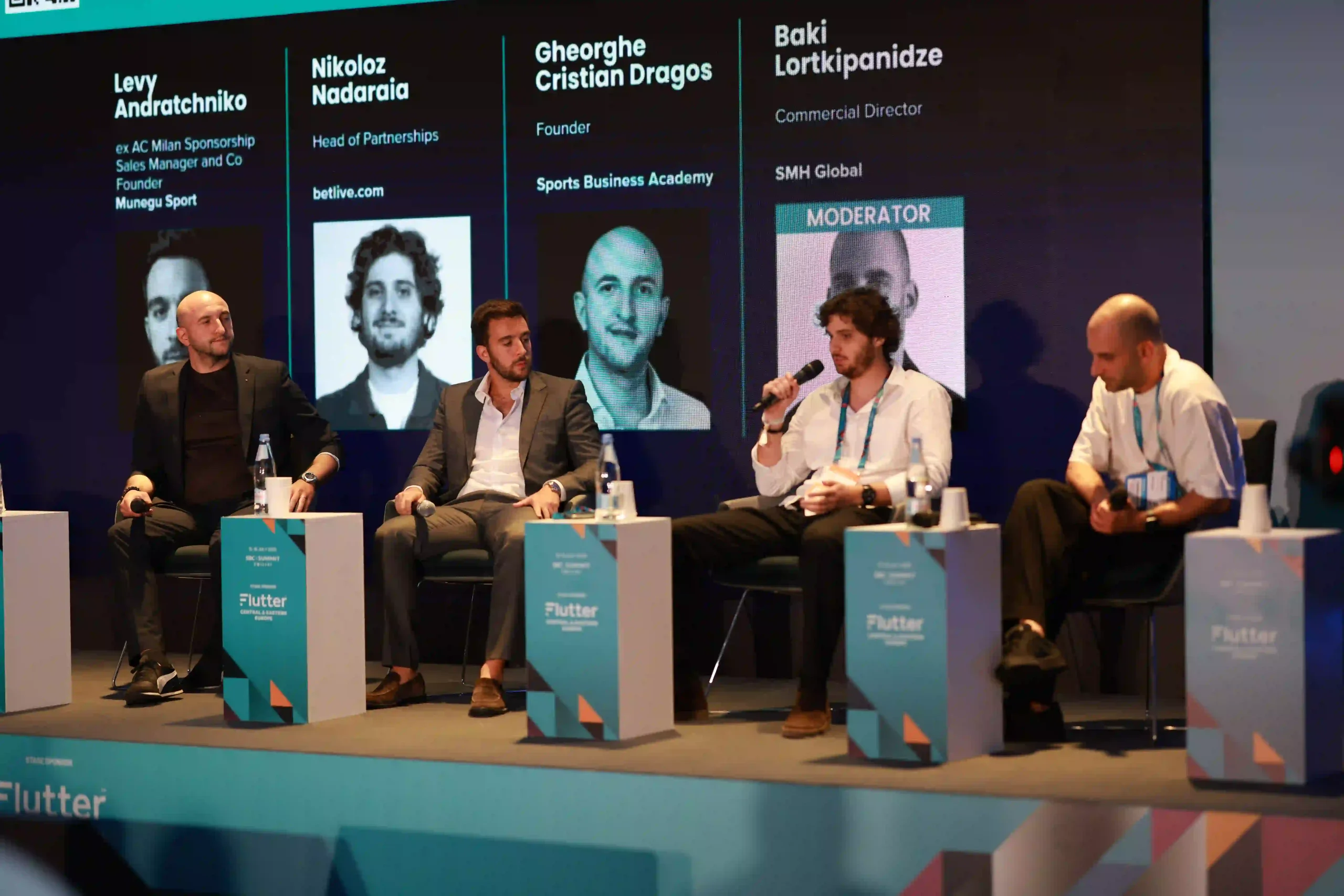
Brands still evaluate football clubs as media buys and expect returns inside 12 months, panellists said during the Sports Rights, Sponsorship & Media: What Still Delivers ROI session at SBC Summit Tbilisi 2026.
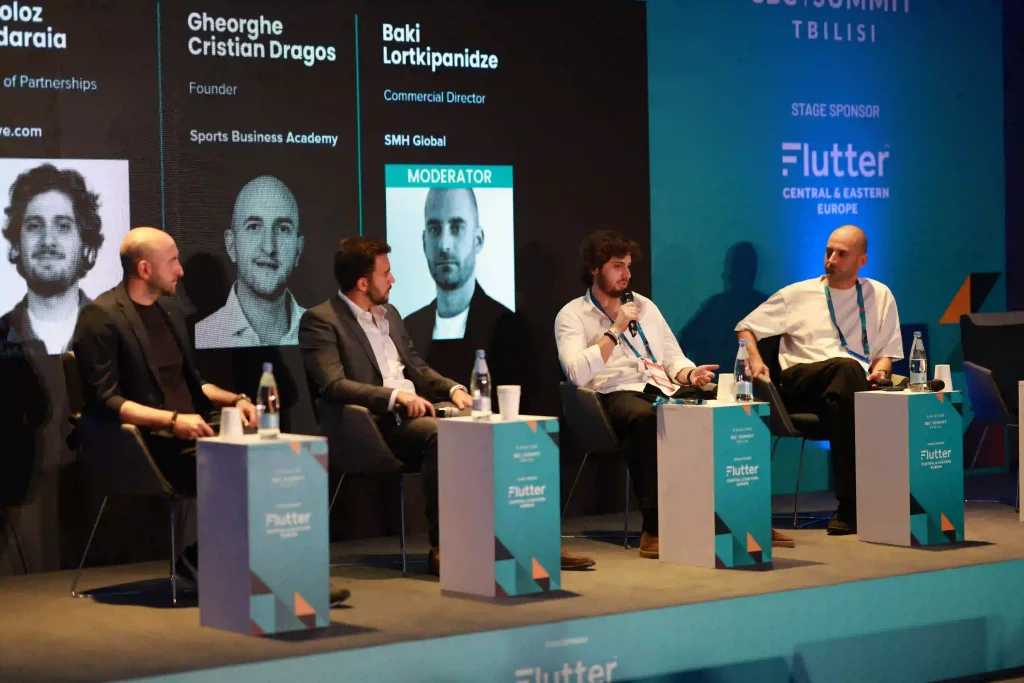
Baki Lortkipanidze, Commercial Director at SMH Global, moderated the panel, which featured Levy Andratchnikov, Co-Founder of Milan- and Monaco-based agency Munegu Sport, Nikoloz Nadaraia, Head of Partnerships at Georgian operator betlive.com, and Gheorghe Cristian Dragos, Founder of the Sports Business Academy.
A platform, not a media buy
Andratchnikov, who co-founded Munegu Sport this year after commercial roles at clubs including Bayern Munich, AS Monaco and Wolverhampton Wanderers, said brands misjudge sponsorship because they price clubs like advertising inventory.
“The common misconception when brands are making decisions is that they evaluate football clubs as a media buy,” he said. “They look at the numbers, they look at the following, and they think the viewership or the fan base is X, so my ROI should be Y. A football club today is not comparable to buying a TV ad, an Instagram ad or a billboard. It is a huge platform that, if utilised correctly, can bring a lot of returns.”
Players themselves have become media channels, he added. “A football player is not just an athlete. He’s an influencer, he’s a streamer, he’s a blogger, he’s a model. When you sponsor a club or an athlete, you’re not just getting the visibility of the pitch – you’re getting everything outside of that.”
Clubs now stage events with no direct link to sport, Andratchnikov said, citing AC Milan‘s activity around fashion and design weeks, which gives partners access beyond 90 minutes of playing time.
Sponsorship signing is not activating
Andratchnikov said there are still issues with closing sponsorship deals and executing them – it remains the biggest failure point. “Bringing a partnership to life and activating it is just as important, if not more important, than signing the deal and announcing it,” he said.
Clubs with large commercial portfolios split the work between a sales team and a partnerships team, he added, “because selling and activating are two different arts.”
Inexperienced sponsors “put money behind the deal, wait one season, then knock on your door and say: where’s my ROI?” he said. Contract assets such as hospitality go unused, he added. “Whether you’re hosting clients, or running a competition where winners go to the stadium and meet the players, that can give birth to other business relationships that you cannot assign a value to.”
Dragos said budgets sometimes built on unrealistic timeframes, as all often those “buying rights in sports expect them to deliver in 12 months. This is a misconception.
“If you want to create a good relationship with the fans, you need at least three to five years,” he said.
He advises brands to delay rather than sign unprepared, he added, at a cost to his own business. “I told them: if you are not prepared to take this sponsorship, please wait, and maybe next year we will work together. Otherwise you can do a lot of damage – to the budget, to the brand and to the relationship.”
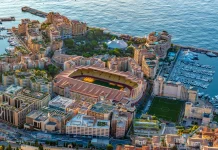
Andratchnikov said concentration beats scale. “It’s better to make the most out of fewer deals than to spread spending across the board,” he said. The biggest rights holders are not automatically the right fit, he added, recalling his time at AS Monaco. “It wasn’t the most followed club or the most watched club. But being in a principality with the highest number of high-net-worth individuals per square metre in the world, for luxury watch brands that’s a better club to choose than one with hundreds of millions of followers.”
Shirts, boards and cooling breaks
Dragos said perimeter advertising still produces the largest measured exposure numbers. “The main asset in a sponsorship is the LED,” he said. “When you measure, the big numbers come from the perimeter.” LED delivers reach but not shared values, he added, which come from deeper partnership work.
Andratchnikov said front-of-shirt sponsorship deals carry reach clubs cannot contract for. “Any time anybody around the world buys that shirt and takes a picture in it for their personal Instagram, you’re getting visibility. If Jay-Z wears your shirt to a concert, you’re getting visibility. If a player scores a good goal and reposts it to his personal Instagram account with 50 million followers, you’re getting visibility. These are things a club cannot guarantee.”
He recalled Atlético Madrid‘s film-studio shirt deal, under which the front-of-shirt branding changed with each new cinema release, producing jerseys carrying titles such as Spider-Man. “I’m not even an Atlético fan, and I still remember this,” he said.
Held in Lisbon from 29 September to 1 October 2026, SBC Summit is one of the world’s largest gatherings of betting and gaming professionals. The event will bring together 40,000 attendees from across the industry for three days of learning, networking, and discussion, alongside a major exhibition featuring leading brands from around the globe.
For more information and tickets, visit sbcevents.com/sbc-summit.