


Live Nation and Ticketmaster are still under heavy scrutiny, as critics raise concerns about the transparency and fairness of the settlement process.
US state attorney generals have vowed to continue the fight after Live Nation and Ticketmaster reached a settlement with the US Department of Justice over an antitrust lawsuit.
The lawsuit, initially filed in 2024, was expected to be one of the most significant antitrust cases in decades and was predicted to have some of the widest ramifications the ticketing industry had ever seen. However, these expectations appear to have fallen flat as the case settled within a week of the trial beginning.
The Department of Justice and multiple US States accused Live Nation of operating an illegal monopoly which drives up ticket prices.
Among the several accusations made in 2024 was the claim that Live Nation-Ticketmaster threatened financial retaliation against a firm unless it stopped one of its subsidiaries from competing for a foothold in the US concert promotions market.
Other allegations included acquiring competitors and competitive threats, locking out competition through exclusionary contracts, blocking venues from using multiple ticketing providers and more.
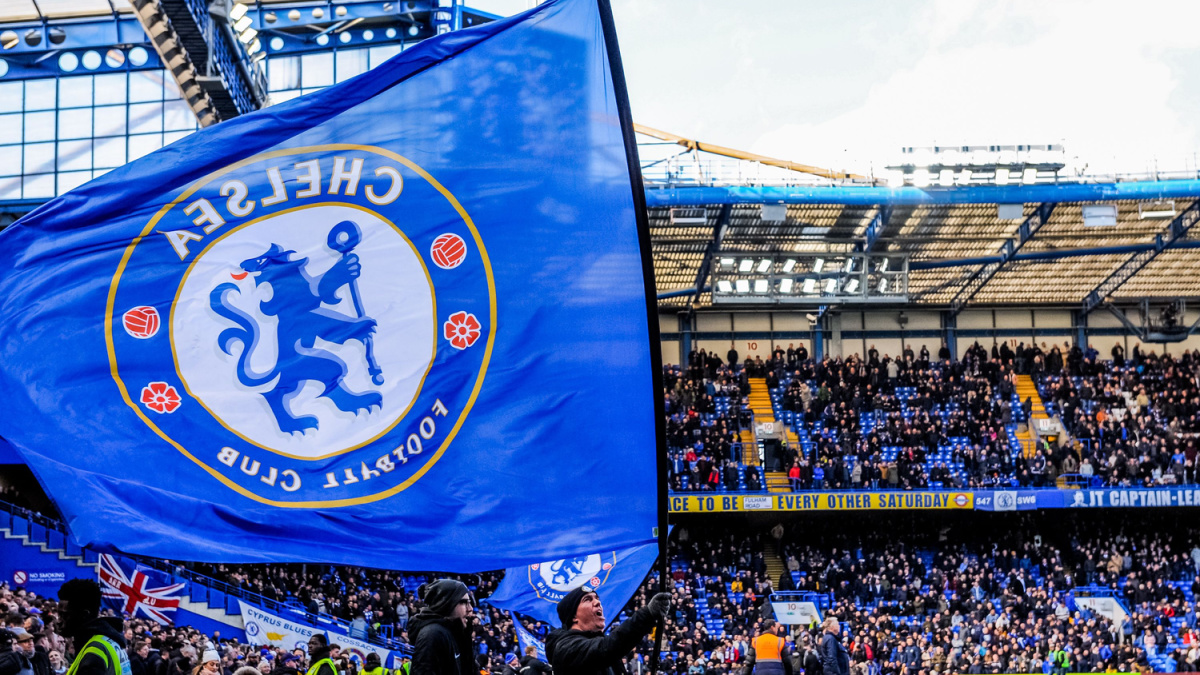
While the focus has mainly been on the music industry, Ticketmaster also plays a large role in sports. Chelsea FC named the company its official ticketing partner in 2025, and the firm holds exclusive partnerships with the National Football League (NFL), National Basketball Association (NBA), National Hockey League (NHL), Major League Baseball (MLB), and Major League Soccer (MLS).
“We allege that Live Nation relies on unlawful, anticompetitive conduct to exercise its monopolistic control over the live events industry in the US at the cost of fans, artists, smaller promoters, and venue operators,” said Attorney General Merrick Garland at the time.
“The result is that fans pay more in fees, artists have fewer opportunities to play concerts, smaller promoters get squeezed out, and venues have fewer real choices for ticketing services.”
A look at the settlement
As part of the reported settlement, Ticketmaster will open its technology to third-party ticketing companies, such as StubHub, so they can list tickets directly through its system.
“We have never relied on exclusivity to drive our ticketing business, it has simply been the result of having the best products, services and people in the industry,” said Michael Rapino, President and CEO of Live Nation.
“We are happy to take greater steps to empower artists and venues in their ticketing decisions, and are confident we will continue to succeed on the quality of what we deliver.”
Live Nation has also set aside $280m to settle with the states, the company said, and the proposed agreement will bar Ticketmaster from requiring artists to use its concert promotion services if they perform at the outdoor amphitheaters it owns.
A win for Live Nation, but who else?
Despite both Live Nation and the Department of Justice celebrating the settlement, others believe it does not go far enough.
Shares of the ticketing company rose by 6.2% on 9 March following news of the settlement, a sign investors were not concerned about significant disruption to the company’s business model.
This reaction may also be due to the fact that one of the central aims of the lawsuit was to dismantle the monopoly Live Nation holds over the live events industry. Early expectations suggested the case could even lead to Live Nation being separated from Ticketmaster.
“It is time to break up Live Nation-Ticketmaster,” said Garland in 2024.
Of the 39 states which joined the lawsuit alongside the DOJ, only Arkansas, Iowa, Mississippi, Nebraska, Oklahoma, South Carolina and South Dakota have said they will join the settlement. This leaves more than 20 states refusing to sign, promising to continue pursuing the case.
New Jersey Attorney General Jennifer Davenport shared her thoughts about the case on X.
“The settlement recently announced does not adequately remedy the harms to the marketplace for live music and concertgoers caused by Live Nation,” she wrote.
“We are willing and able to stand with other partner states to continue litigating this case without the federal government so that we can hold Live Nation accountable in court and secure appropriate relief in this case.”
In addition to politicians taking aim at the settlements, there are also concerns how the lawsuit came to an end.
Judge Arun Subramanian, who presided over the case, demanded to know why Live Nation had not informed him about the agreement during a private evening meeting on 6 March.
Subramanian questioned what he was supposed to tell the jury and criticised what he described as the government’s “absolute disrespect for the court, the jury, and the entire process.”
Judge Subramanian told the jury to go home and return to the courtroom in a week. However, this may not be enough time for the remaining states to assemble a team to continue the case, particularly as Live Nation’s main argument is likely to be the Department of Justice had already chosen to settle the matter.
The settlement still awaits Subramanian approval, which is expected once the public has taken the chance to submit comments.