


Mikie Sherrill says NJ Transit should not shoulder World Cup fan transport costs while FIFA is projected to generate $11bn from the 2026 tournament.
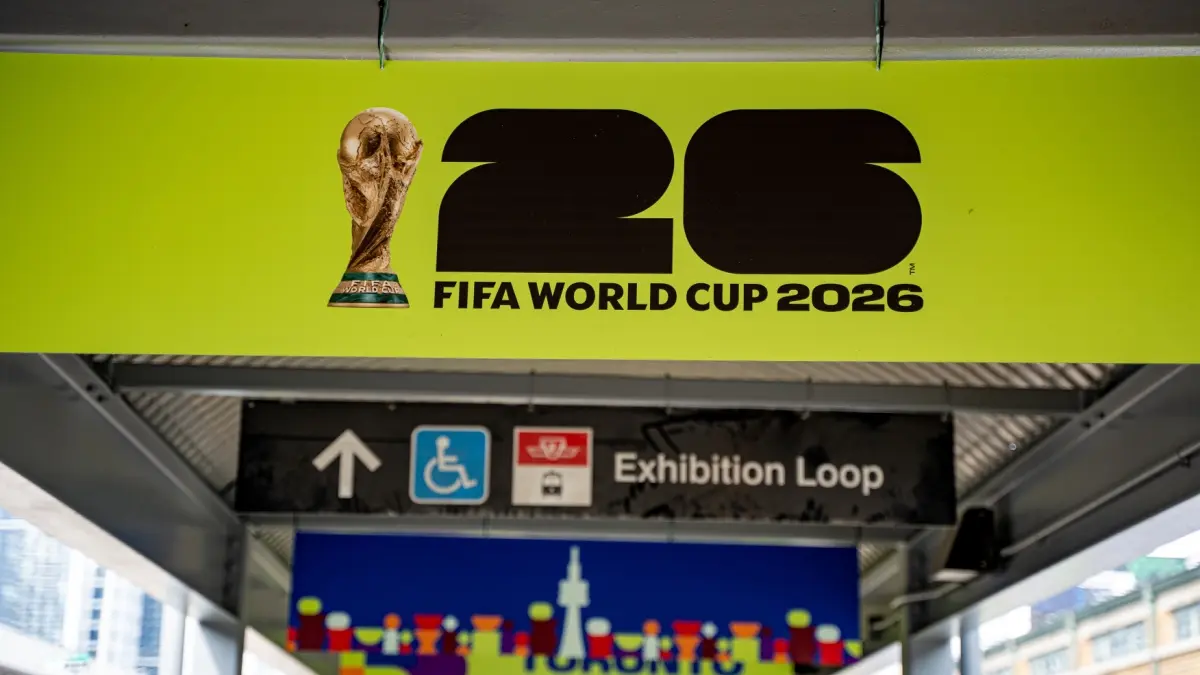
New Jersey Governor Mikie Sherrill has challenged FIFA over the cost of transporting fans during the 2026 FIFA World Cup, stating that the organisation is not contributing financially despite the scale of its expected revenues.
“We inherited an agreement where FIFA is providing $0 for transportation to the World Cup,” Sherrill said.
“And while NJ TRANSIT is stuck with a $48 million bill to safely get fans to and from games, FIFA is making $11 billion.
“I’m not going to stick New Jersey commuters with that tab for years to come.
“FIFA should pay for the rides. But if they don’t – I’m not going to let New Jersey get taken for one.”
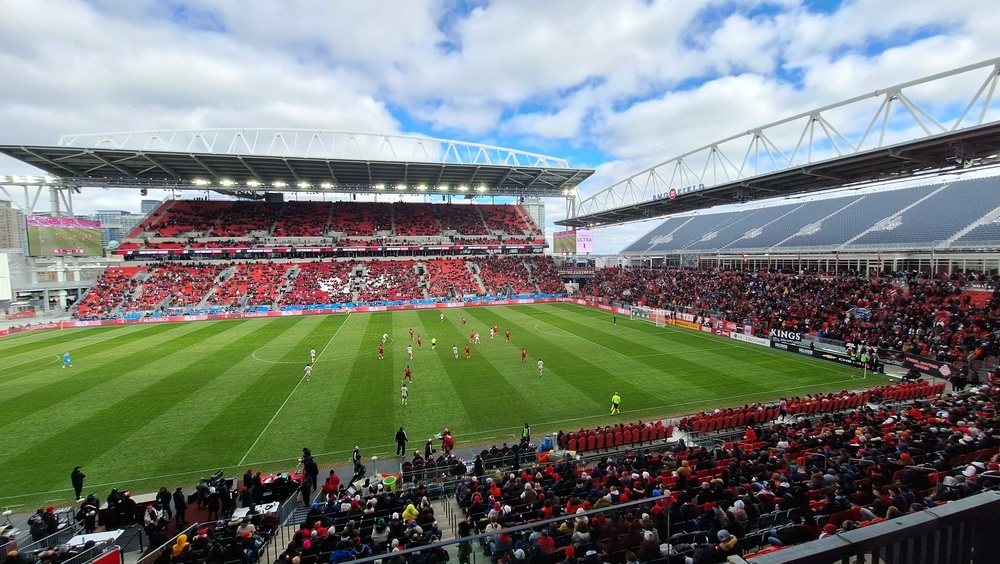
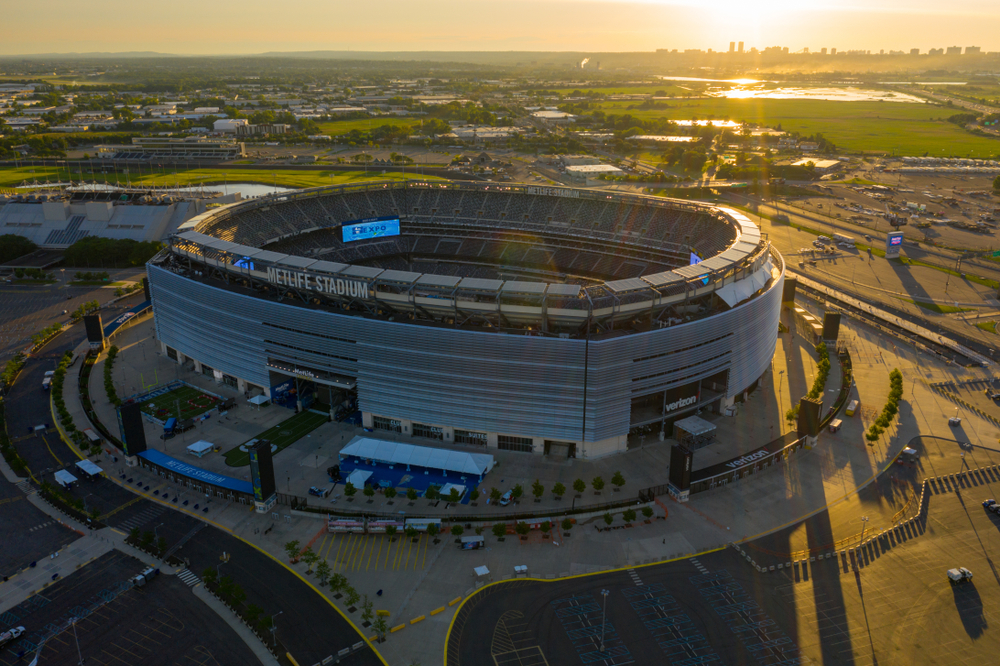
The comments relate to matches scheduled at MetLife Stadium, which will host fixtures as part of the New York/New Jersey World Cup venue. Transport to the stadium is expected to rely heavily on NJ Transit, which faces additional operational costs linked to increased service capacity, staffing and security.
According to Sherrill, those costs are currently estimated at $48m, with no direct contribution from FIFA under existing hosting arrangements.
FIFA is projected to generate approximately $11bn in revenue from the 2026 tournament, driven primarily by broadcast rights, sponsorship and commercial partnerships. As with previous editions of the World Cup, many operational costs tied to hosting, including transport and policing, fall to local organisers and public authorities.
The structure of these agreements has increasingly come under scrutiny in the US, where multiple host cities are preparing for significant infrastructure and service demands. While proponents point to tourism and global visibility as offsets, public agencies are often required to absorb upfront costs.
New Jersey’s position is further complicated by the tournament’s “New York/New Jersey” branding, with matches physically staged in the state but tied to the wider metropolitan market.
Fifa responds strongly
FIFA has pushed back on Sherrill’s claims, stating it was “quite surprised” by the criticism and pointing to the terms of the original host city agreements.
According to FIFA, the 2018 agreements signed with host cities required free transportation for fans attending matches. However, the governing body said it revised those obligations in 2023 following discussions with local organisers, allowing transport to be provided “at cost” rather than fully subsidised.
“Recognising the financial strain this placed on the host cities, back in 2023 FIFA adjusted the Host Agreement requirements across all host cities,” the organisation stated.
FIFA also emphasised its role in long-term planning for the tournament, noting that it has worked with host cities “for years” on transport and mobility strategies, including advocating for federal funding to support infrastructure and operations.
Addressing the broader criticism, FIFA added that it is “not aware of any other major event” held at MetLife Stadium where organisers have been required to cover fan transportation costs, drawing comparisons with other large-scale sporting events and global tours hosted at the venue.
Who pays for the World Cup?
Sherrill’s intervention feeds into a broader debate around the rising cost of hosting major sporting events and how those costs are distributed.
The 2026 FIFA World Cup will be the largest in the competition’s history, expanded to 48 teams and spanning multiple countries and host cities. While this scale is expected to drive record revenues for FIFA, it also increases the operational demands placed on local infrastructure, from transport networks to policing and public services.
Historically, these costs have been absorbed by host governments and city authorities, often justified by projected economic uplift through tourism and global exposure. However, the balance between public investment and private return has faced growing scrutiny, particularly as cost estimates for infrastructure and event delivery continue to rise across host markets.
Brazil’s 2014 World Cup cost an estimated $11bn to $15bn, largely funded by government, while Russia 2018 World Cup required a similar level of state-backed spending. In Qatar, total infrastructure investment linked to the 2022 tournament exceeded $200bn, albeit as part of a wider national development strategy.
At the same time, fans are also facing higher costs. Ticket pricing for recent FIFA tournaments has trended upwards, alongside increased travel and accommodation expenses linked to host city demand. This has led to criticism that the financial burden of the World Cup is being shared across multiple groups, from taxpayers to supporters, while the majority of commercial upside remains concentrated with the organisers.