


Debate over Glasgow 2026 ceremony wear has shifted beyond online abuse, with former athletes questioning whether design choices prioritise visual impact over comfort and practicality.
Team Scotland’s unveiling of its Glasgow 2026 Commonwealth Games ceremony outfits has prompted criticism from former athletes, raising questions over whether presentation and visual identity are being prioritised ahead of athlete comfort.
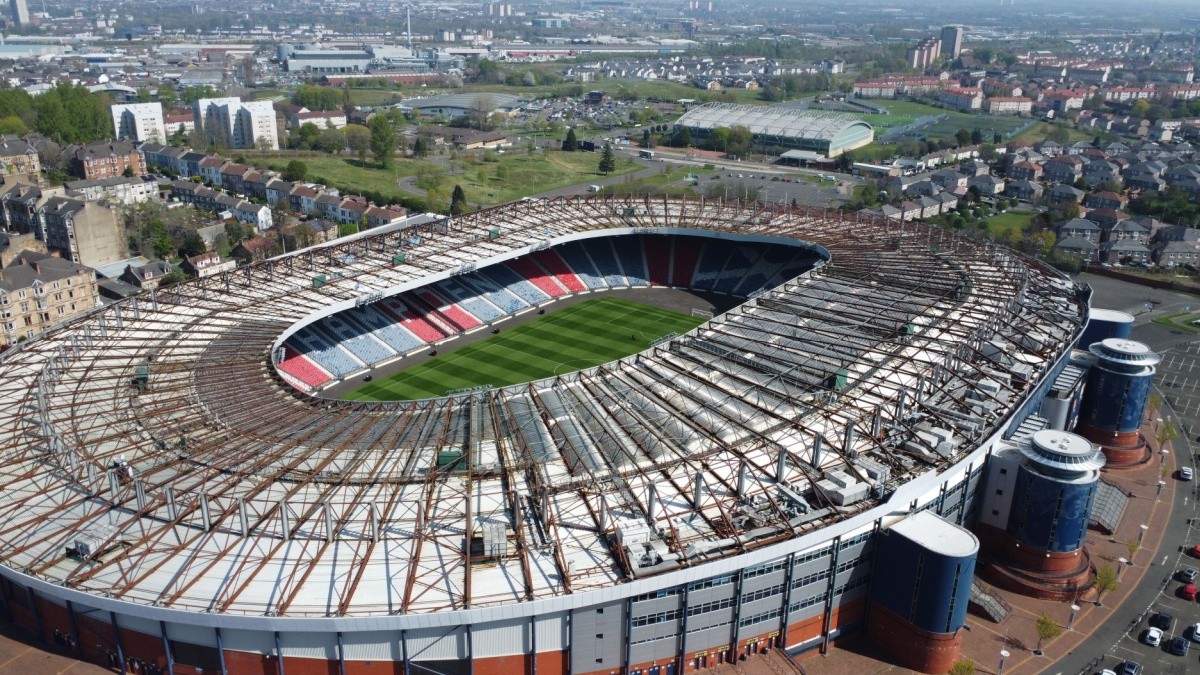
The outfits, revealed on 13 April as part of a 100-days-to-go milestone, are set to be worn during the Opening Ceremony on 23 July, as Glasgow hosts approximately 3,000 athletes from 74 nations and territories.
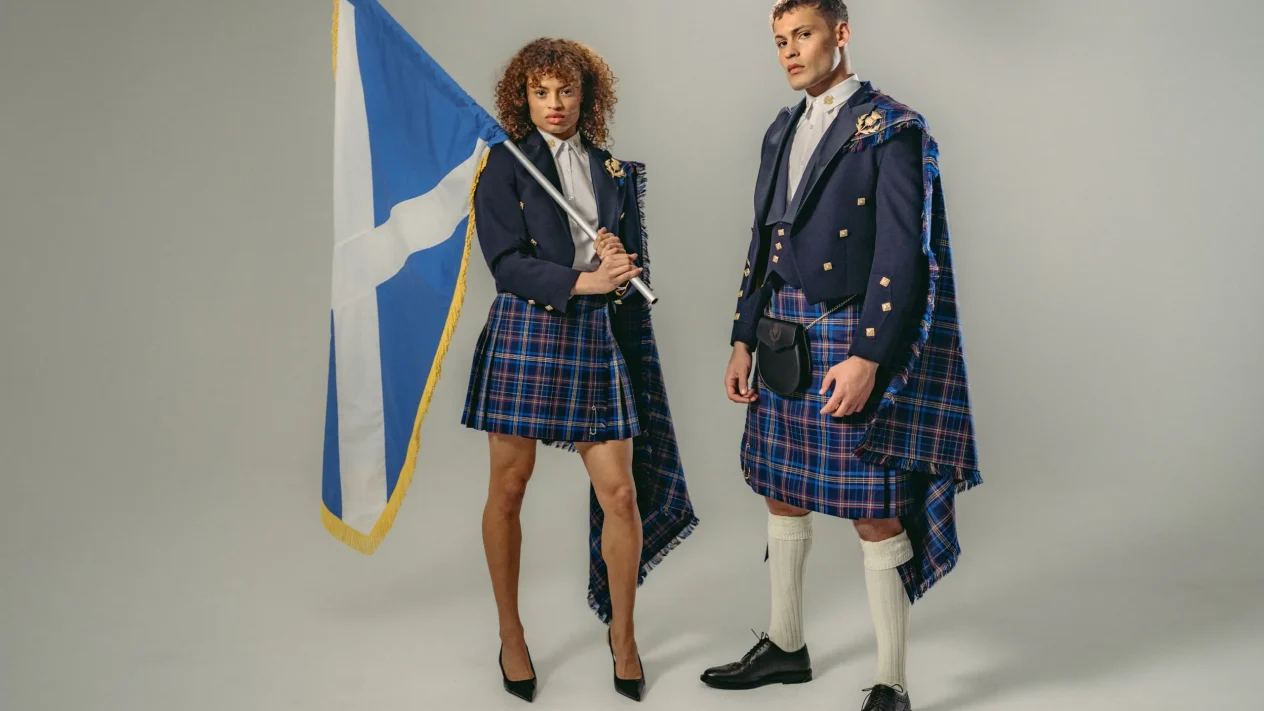
Designed by Siobhan Mackenzie, the collection centres on a new Team Scotland tartan, incorporating metallic gold elements intended to represent “ambition and pursuit of success”, alongside what organisers described as an “eye-catching contemporary twist on tradition”.
However, reaction to the reveal has extended beyond aesthetics, with former Olympian Sharron Davies suggesting the criticism has been mischaracterised by organisers.
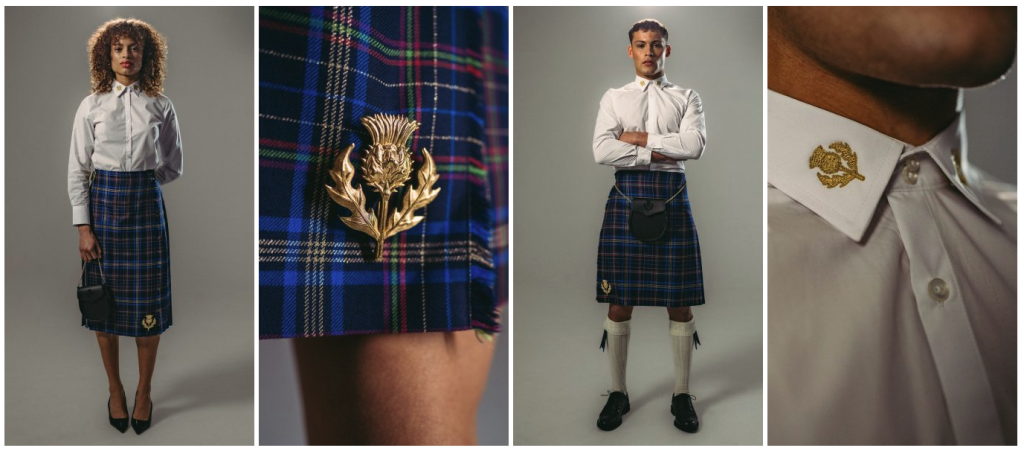
“I think you’re missing the point somewhat,” Davies said in response to Team Scotland’s statement. “It wasn’t the models who people were having a go at but the overtly sexualised outfit that was chosen for your female athletes.
“As a past female elite athlete personally there is no way on earth I’d want to totter around of 4 inch heels at a long opening ceremony before I was to compete. It was an unwise choice.”
Team Scotland had earlier issued a statement condemning “abhorrent online abuse” directed at the models involved in the launch campaign, adding that “discrimination has no place in sport or society” and that it would continue to support those targeted.
The organisation also reiterated its broader positioning of Glasgow 2026 as “the most inclusive, community-driven and connected Games yet”.
Is too much being asked of athletes?
While the statement focused on safeguarding individuals featured in the campaign, Davies’ response highlights a separate concern centred on athlete experience, particularly the physical demands of participating in an opening ceremony.
Such ceremonies, which can last several hours, require athletes to remain on their feet for extended periods before competition begins, placing increased emphasis on comfort and practicality in uniform design.
Team Scotland noted in its original announcement that female athletes would be able to choose kilt length and that adaptations would be made for para athletes where required, pointing to an element of flexibility within the designs.
The episode reflects a broader dynamic facing organising committees and national teams, as ceremony outfits increasingly serve dual roles: presenting national identity on a global broadcast stage while also meeting the practical needs of athletes preparing to compete.
With major sporting events placing growing emphasis on visual storytelling and digital engagement, uniform launches have become a key moment in the commercial and branding calendar. However, the reaction to Team Scotland’s designs suggests that balancing those objectives with athlete-first considerations remains a sensitive and closely scrutinised area.
Glasgow 2026 is set to begin in July, with organisers continuing to position the event around themes of inclusivity and community engagement in the lead-up to the Games.