







Clubs across the Premier League are taking different paths on ticket pricing, exposing a fragmented commercial strategy
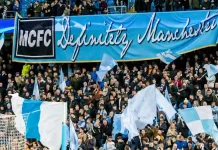
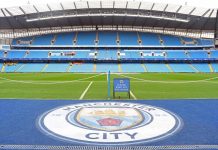
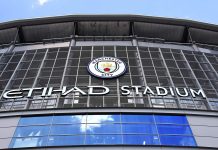
Manchester City has frozen season ticket and matchday prices for the 2026/27 season, the third consecutive year without increases for renewing supporters.
Following a consultation with its fan engagement group City Matters, the club said the decision was down to the “extraordinary accumulated impact” of cost-of-living pressures on fans and their families.
General admission season tickets and Premier League match-by-match prices for junior and adult Matchday Members will stay the same, with Manchester City also introducing a new pricing tier for selected mid-week fixtures starting from £25 for adults.
City Matters said it is “delighted with the club’s ticketing announcement and the decisions that have been made” following months of engagement with the club, adding that the outcome demonstrates “the real and positive impact” of the fan network.
There will be some increase, with the club raising annual adult Matchday Membership by £3. At the same time, Manchester City will introduce 4,000 new Flexi-Season Tickets, with half reserved for junior supporters as part of its long-term fan development strategy. This also follows the club’s strategy to increase hospitality sections, which allow the club to generate more revenue than standard seats.
/ Shutterstock.com
The fragmented strategies of Premier League clubs
Manchester City’s decision to freeze ticket prices places it at one end of Premier League pricing, where clubs are taking very different approaches under commercial and fan pressure.
City is not alone in opting for stability, with Nottingham Forest also freezing all prices for 2026/27, while Sunderland has gone a step further by introducing personalised pricing based on supporter tenure and history.
At the other end of the spectrum, Manchester United has introduced a 5% rise across season tickets and matchday pricing, while Newcastle United has increased standard seating by 5% and premium memberships by 15%.
Bournemouth, Brentford and Brighton have all also implemented more modest increases, generally in the low single-digit range, and described as inflation-linked or “very slight”.
However, there is no consistent league-wide approach, with each club effectively setting its own commercial direction based on internal priorities.
This divergence becomes more evident when looking at revenue structures. At Manchester United, matchday income accounted for just over 20% of total revenue in 2024, suggesting that pricing decisions are still commercially significant even for global brands with strong commercial and broadcast income.
This context also helps explain the club’s messaging around its 5% price rise, as United stated it is aiming to “return Manchester United to the top of domestic and European football” while continuing to invest in the squad and infrastructure.
While matchday revenue includes tickets, hospitality and in-stadium spending, it remains a key area for clubs looking to balance operational costs with on-pitch investment.
Manchester City’s matchday income made up just over 10% of total revenue in the same period, with commercial and broadcast streams carrying far greater weight in its financial model. This difference could help explain why Manchester City has been able to prioritise price stability while others adopt incremental increases.
Fan pressure becomes a commercial factor
If pricing strategy across the league is fragmented, Liverpool’s reaction to its latest increases shows how it can also become politically charged.
The club has introduced inflation-linked rises for the next three seasons, with general admission tickets increasing between £1.25 and £1.75 per match in 2026/27 and a longer-term cap of up to 5% annually.
Ahead of its recent win against Crystal Palace, fans staged protests at Anfield, including a continued boycott of pre-match flags and banners on the Kop, as well as the “not a pound in the ground” campaign targeting club matchday spend.
During the match, thousands of supporters held up yellow cards featuring messaging around ticket price concerns, while banners across the stadium carried criticism of ownership and calls for talks with the club.
Protests peaked in the 13th minute, which was a reflection of the club’s projection that prices could rise by up to 13% over the three years.