













An independent commission ruling on Southampton’s alleged training ground spying will test how English football governs competitive integrity when promotion money is on the line
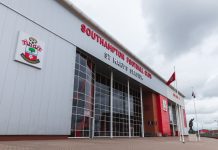
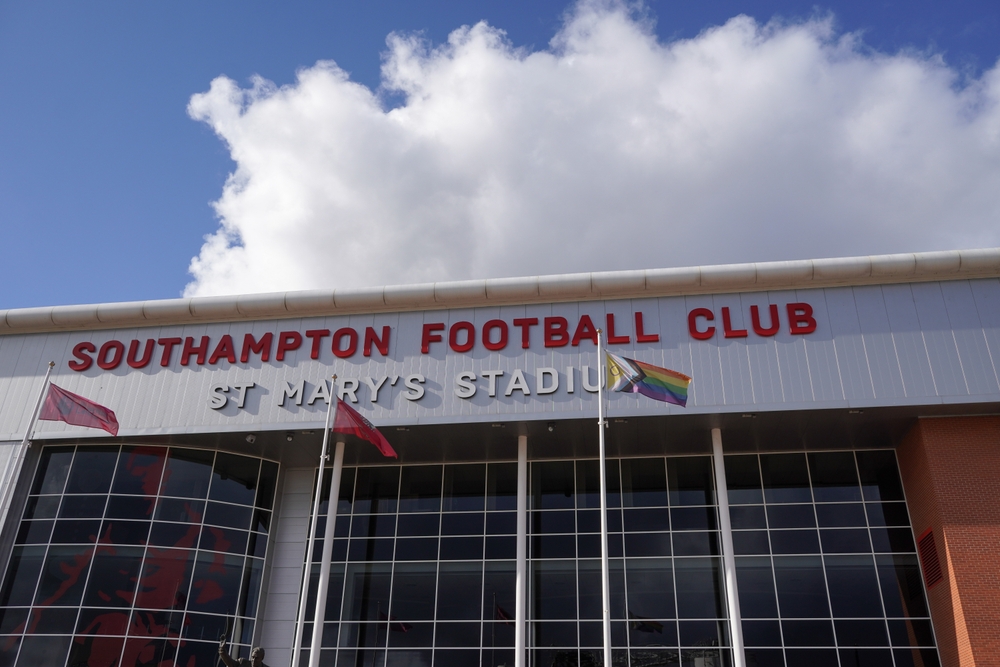
The English Football League (EFL) faces one of its most consequential disciplinary decisions today as an independent commission rules on whether Southampton FC breached competition regulations by spying on Middlesbrough FC‘s training session ahead of their Championship play-off semi-final.
Southampton stand charged with violating two EFL regulations – one requiring clubs to act in good faith toward each other, and Regulation 127, which prohibits observing an opponent’s training within 72 hours of a scheduled fixture. The club has issued no denial.
The commission, chaired by a King’s Counsel, began its hearing this morning and is expected to deliver a verdict today, though deliberations could run into Wednesday.
What makes today’s ruling significant beyond the immediate fixture is that Regulation 127 has never previously been breached. The commission is effectively writing the enforcement framework from scratch, and whatever sanction it lands on will set a marker for clubs across the football pyramid on the consequences of surveillance.
EPL: The commercial stakes shaping the decision
The timing could hardly be higher-stakes. Promotion to the Premier League via the EFL Play-Off Final carries a minimum £110m in broadcasting revenues, so a fine for Southampton, however large by Championship standards, would not make much of a dent against the upside of winning the final.
The commercial makeup of the situation against the regulatory breach narrows the options the commission has. A points deduction applied at the start of next season is possible, though enforcement becomes complicated if Southampton are promoted – the EFL would need the Premier League’s cooperation to carry the penalty across divisions.
Expulsion from the play-offs is the only sanction that directly addresses the advantage allegedly gained, but it would trigger an immediate appeal from Southampton and significant logistical disruption to a showpiece event with tickets already sold and travel booked.
The 2019 Leeds United case – where the club was fined £200,000 for sending staff to watch Derby County train – offers limited guidance. No rule existed at the time, and Regulation 127 was introduced as a direct response to that event.
Governance credibility on the line
Governing bodies across sport have faced sustained scrutiny over whether their disciplinary frameworks are fit for purpose when commercial pressures are greatest – and English football is no exception.
Despite being the aggrieved party, Middlesbrough have not been granted interested party status in the hearing – meaning they have no legal representation and no right of appeal.
Only the EFL or Southampton may challenge the outcome. Middlesborough have engaged leading sports lawyer Nick de Marco, but are largely limited to pursuing a separate compensation claim – a path the club has taken before, reaching a settlement with Derby County in 2021 over separate financial irregularities.