


















New research estimates that illegal streaming accounts for around £700m in lost revenue for the UK live sports industry each year.
The figure is noted in The Price of Piracy, a report produced by WPI Economics and backed by organisations including the BBC, the Premier League, Formula 1, Sky and the City of London Police.
Lost revenue has become a priority in the fight against piracy in recent years, with sports leagues warning that it can affect investment across professional sport.

José Ignacio Carrillo de Albornoz, Institutional Audiovisual Anti-fraud Manager at La Liga, told Insider Sport in July: “Football depends on the value of its audiovisual rights.”
La Liga said it loses between €600m (£513.75m) and €700m (£599.37m) annually as a result of piracy, with similar concerns raised in Italy last year. Serie A CEO, Luigi De Siervo, said at the time that illegal streaming cost the Italian league $345.3m (£255m) in revenue.
De Siervo tied the losses to investment in Italian football, explaining that money lost to piracy isn’t reinvested into areas such as youth development. He described this as a “major issue that has led our national team to face many difficulties”.
Italy’s men’s national team has failed to qualify for three consecutive FIFA World Cups, missing the 2018, 2022 and 2026 tournaments.
However, the potential impact of piracy isn’t limited to success on the pitch. According to The Price of Piracy report, illegal streaming across sport, television and film is associated with an estimated 10,400 fewer jobs and £366m in lost annual tax revenues.
How football is tackling piracy
As reported by the Financial Times, the report is backed by anti-piracy campaign BeStreamWise, which is calling for a government-supported strategy and improved cooperation between platforms, internet providers and content companies.
A cross-industry approach has become common to the anti-piracy efforts of several major rights holders. La Liga has arguably been football’s most active league in combating piracy, using tactics ranging from rewarding supporters for reporting bars showing illegal streams, to targeting VPN providers it believes are being used to bypass blocking measures.
The latter led to a dispute with FIFA over its sponsorship deal with ExpressVPN, when La Liga questioned whether the company had complied with measures ordered by French courts and called for greater due diligence around commercial partnerships.
“Protecting the audiovisual ecosystem is a shared responsibility,” Carrillo de Albornoz told Insider Sport in July.
In other parts of the world, authorities have focused on illegal suppliers. During Euro 2024, Italy’s Guardia di Finanza blocked IPTV platforms serving around 1.3 million subscribers. In the UK, five people were jailed in 2023 for operating a Premier League streaming service which generated around £7m over five years.
Is enforcement enough?
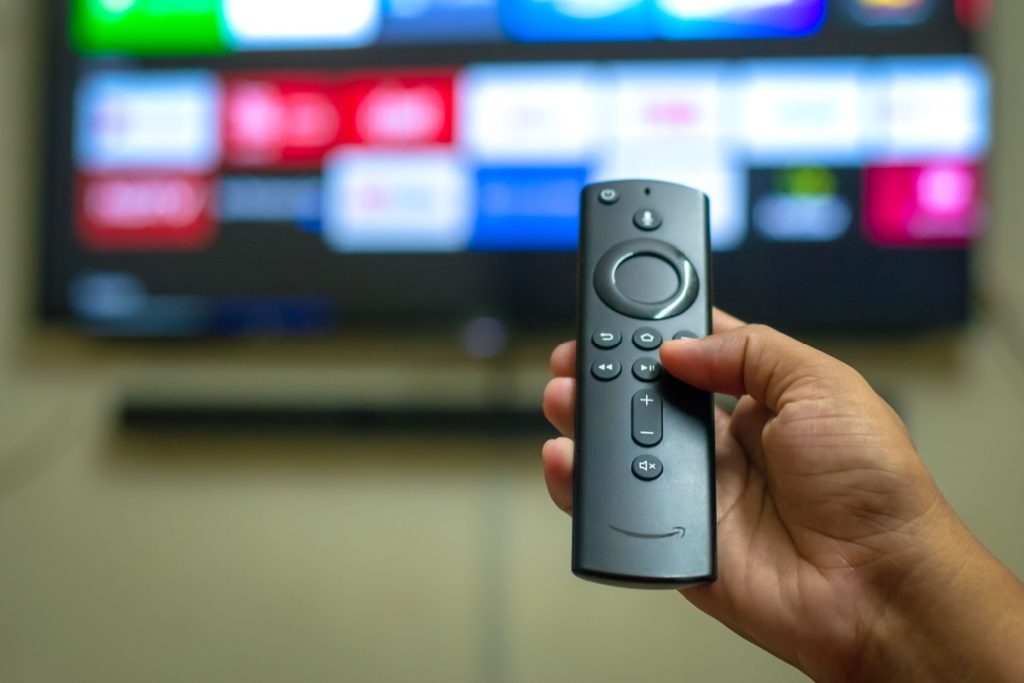
Despite these measures, The Price of Piracy found almost one in three UK adults had recently accessed content illegally.
The rise in adoption is usually motivated by cost, fragmentation and accessibility. UK fans need to pay for multiple subscriptions to follow televised matches and the 3pm blackout means some games cannot legally be watched live domestically.
Pressure to reconsider the blackout has increased, with Premier League CEO Richard Masters suggesting the league, EFL and FA will revisit the rule ahead of the next domestic rights cycle.
The league has also entered into direct-to-consumer streaming with Premier League+, which launched in Singapore this season and offers all 380 matches.
“We’ll learn from that. It’s the first time we have our own customers. We’ve got to manage churn, we’ve got to set prices. We’re doing that and we’ll learn an enormous amount from it,” Masters said last month.
A UK launch could potentially address fragmentation and accessibility, although the league would need to balance this against the guaranteed billions it currently receives from broadcasters across the world.
La Liga, however, rejected suggestions that cost or accessibility could justify piracy when asked by Insider Sport whether it needs to reconsider the affordability and accessibility of its broadcast model.
“Accessibility and affordability are important objectives, but they can never justify the illegal distribution or consumption of copyrighted content, nor criminal business models built on copyright infringement,” said Carrillo de Albornoz.