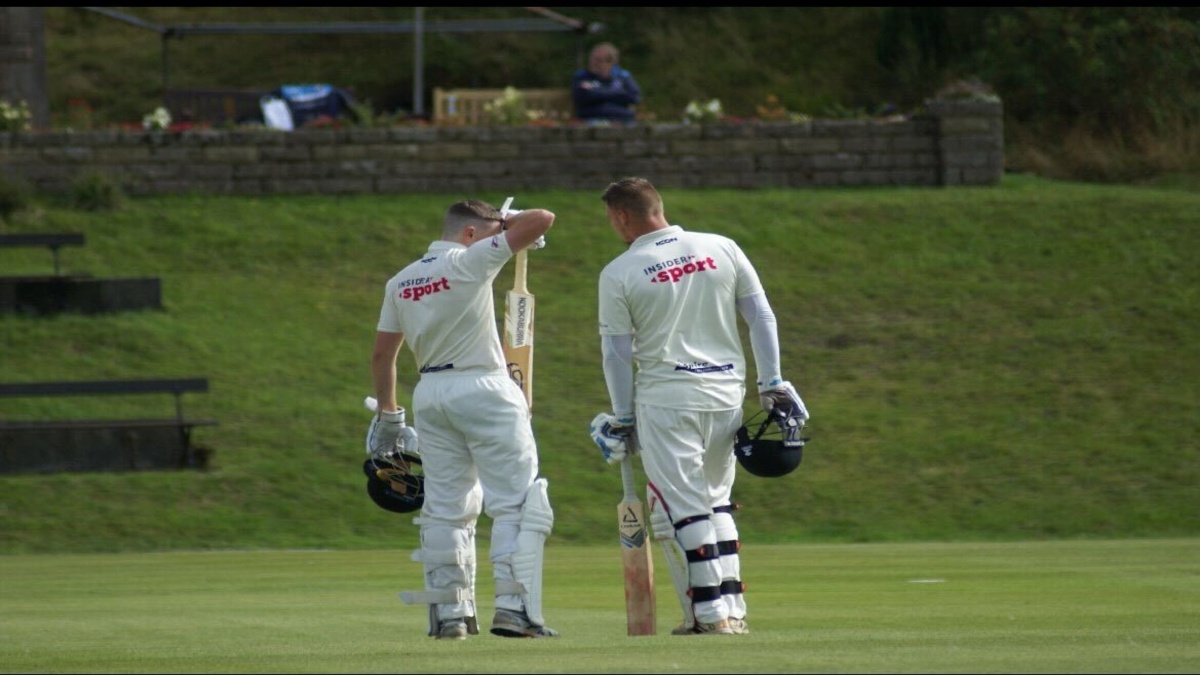
In this regular series, Insider Sport speaks to volunteers at Old Glossop Cricket Club to uncover what goes into sustaining grassroots sport, who these people are beyond the game, and what drives their dedication.
Sports news was once dominated by athletes, their weekend heroics or blunders, transfers between clubs, or sometimes even a new hairstyle.
However, as sports have become more business-minded, so too have the stories. Accountants, once quietly tucked away at their desks, are increasingly making headlines.
Chelsea, for example, sparked a media uproar when the club sold its women’s team to comply with the Premier League’s Profit and Sustainability Rules. The move turned a pre-tax loss of $122.7m (£90m) in 2023/24 into a pre-tax profit of $175.1m (£128.4m), a move some described as “clever accounting.”
While high-profile clubs grab attention for financial wizardry, the importance of accountants in sports has long existed, just usually out of the spotlight.
At the grassroots level, Stephen Lumb, Treasurer at Old Glossop Cricket Club, may not be juggling multi-million-pound assets, but his careful, methodical approach to the club’s finances is equally crucial.
As seen in the past two editions of this series, the connection between the club and its volunteers is wide-ranging.
Lumb, originally from Moston in North Manchester, recalls cricket “wasn’t really something that was overly popular back then… it was all football and rugby.” He played briefly for a club in Moston in his late 20s and early 30s, having spent much of his youth playing games with friends on local fields.
When his son was born, Lumb moved to Glossop. His ex-partner already had two children, one of whom “was really into cricket” and Lumb began accompanying them to the club, which introduced him to Old Glossop.
His own son, Ethan, has since progressed through the junior ranks: “He was playing from under-11, so he’s basically gone through the whole junior levels with the club… now he’s pretty much a regular in the first team.”
He also remembers Ethan taking part in what is now called the All Stars and Dynamos programme from around the age of four or five.
From dad duties to club finances?
When Lumb isn’t staring at spreadsheets for Old Glossop, he is balancing the books as a professional accountant.
He tells Insider Sport he was approached to become the club treasurer after the previous volunteer stepped away when their child moved to another club.
His experience immediately lifted the club’s financial operations, not just because he describes his work as “itemised”, but because the previous treasurer presented their numbers “on just a sheet of paper.”
Though a sheet of paper might seem minimal effort, Lumb quickly acknowledged the significant commitment involved. The sheet represented a willingness to step outside one’s comfort zone to ensure the club’s continuation when no one else would.
He explained the previous volunteer hadn’t necessarily wanted the role but stepped in because “sometimes at the AGM, nobody puts their hand up… so someone at the end of the day says, ‘I’ll try and do my best.’ They did it their way, and they weren’t an accountant.”
With Lumb in the role, said sheet of paper has grown into detailed spreadsheets, tracking every type of income and expenditure.
Matchday takings and sponsorships
Old Glossop’s finances are built around two main streams, matchday revenue and commercial income. Matchday takings rely on fixtures and events such as All Stars and Dynamos, but the single most important revenue source is the bar.
Lumb is quick to point out how fortunate the club is to have one. “Some of the cricket clubs don’t even have a bar, so I’m not really sure how they manage,” he says. Without it, he adds, budgeting would be much more difficult, and the club’s ability to invest in future projects would be far more limited.
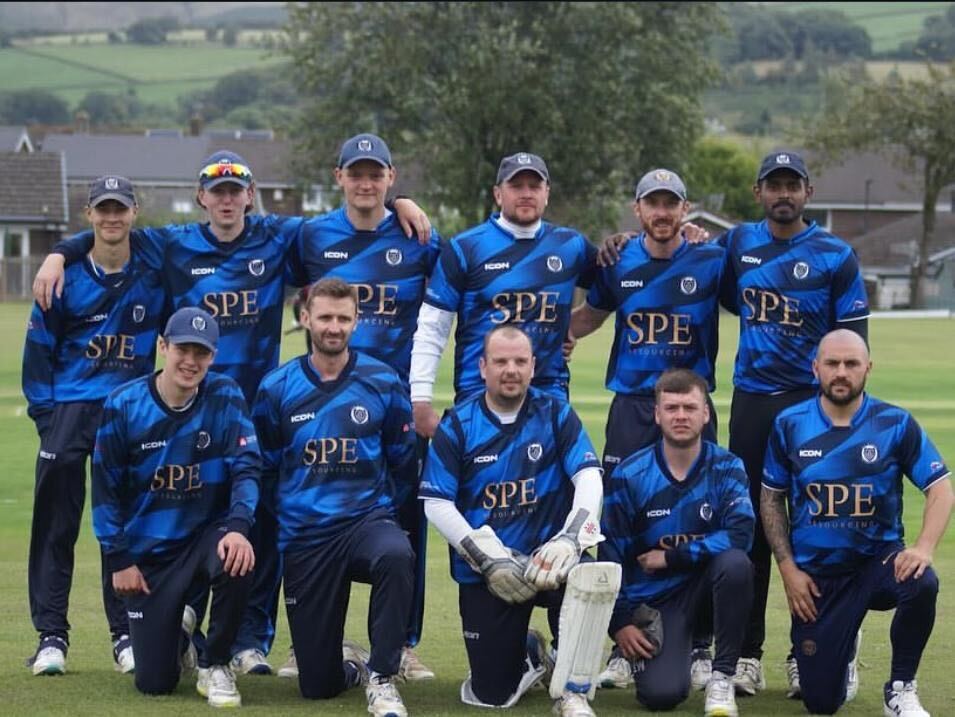
Sponsorships, like the club’s with Insider Sport, add another layer, though they can be tricky to secure. The club has been running player sponsorships for two seasons and the secretary works hard to promote events, book food trucks and secure funding from the National Lottery and local authorities.
Keeping track of it all falls to Lumb. He maintains around ten spreadsheets covering everything from player subscriptions and sponsorship money to fundraising initiatives and other income streams.
“I just like to present the figures and give people a bit more idea of where we’re at,” he says. “It’s a lot more detailed and they appreciate the fact they can see things clearly.”
The club’s biggest expenses are for overseas players, who are allowed one paid amateur per team. Other costs, such as insurance or utilities, are relatively small. Revenue can fluctuate, with sunny early summer bringing good bar takings, while later months saw income drop and the first team faced a tense last game to avoid relegation.
Thanks to this oversight, the club can plan ahead. Crowdfunding helped fund new practice nets and upcoming projects including an electronic scoreboard and upgraded changing rooms for juniors and women’s teams, timed for the 125th anniversary.
Sustaining grassroots
Given Lumb’s family connection, love for the game and access to the numbers, Insider Sport asked what he sees as the biggest challenges facing grassroots cricket.
He points to keeping young players involved as the main difficulty, noting that many drift away to other sports as they reach their mid-teens.
“My son is the only player left from his age group, he’s the only player that’s actually still actively playing local cricket,” he says.
Importantly, Lumb sees these players not just as numbers or a way to generate resources but as people who benefit from the sense of community that grassroots cricket offers.
While his role is one of the few at the club that doesn’t require him to be there in person every week, the detail he keeps in the accounts means his connection to the club is one of the strongest.