Your article was successfully posted to your social media. Want to share more? Go ahead!
image credit: photoyh / Shutterstock.com
There is an upcoming void coming to the Premier League sponsorship market, as the ban on gambling front-of-shirt sponsorship comes into effect at the start of the 2026/27 season.
Nick LaManna, Brand Strategy at Designit, writes for Insider Sport on the opportunity this will create for Premier League club’s to re-strategise their approach to sponsorship, no longer looking for quick-fix financial incentives, but rather a throwback to iconic, meaningful sponsors of the past.
LaManna, reflects on the iconic Premier League shirt sponsors of 90s and 2000s and calls on clubs to begin to cultivate similar partnerships with companies that not only strike a resemblance with the clubs ethos, but foster a meaningful relationship that will also connect with its fans.
Nick LeManna, Designit, Brand Strategy
What a football club wears on the front of its shirt matters. Shirts are more than just kits – they are a canvas for culture. For shared identity. For sparking memories of glorious victories, or brave defeats.
So when the Premier League’s front-of-shirt ban for gambling firms finally comes into play in the 2026/7 season, it will mark a watershed moment. It could wipe out £126m in annual revenue from 11 clubs alone – but this isn’t just about lost revenue.
Front-of-shirt sponsors have long been more than income streams. They are symbols of club identity, fan connection, and cultural relevance. The boom in vintage football shirt popularity owes as much to the “old school” sponsors on the kit as to the badge on the chest.
As clubs’ commercial teams scout for the next wave of partners, likely tech, trading, and crypto firms, they should think twice before jumping into deals with the highest bidder. In fact, this is an opportunity for football clubs to rewrite the rulebook of brand sponsorship, to partner with culturally relevant brands that fans resonate with. In doing so, strengthening their own brand identity and values.
From monetisation to meaning
Money’s influence on the beautiful game is more significant now than it ever has been. Money has been pumped into English football at an ever-increasing rate since the advent of the Premier League in the 1992/93 season, a league created due to commercial factors. In a bid to create a more financially stable environment for clubs, the league has enforced Profit and Sustainability Rules (PSR).
And in this current climate, where filling up club purses can be a huge advantage, there is a temptation to pick any old shirt sponsor on a short-term deal and squeeze that partnership for every last drop of revenue. It could make all the difference when it comes to signing (or not signing) that striker.
But short-termism comes at a cost. Sponsors that don’t speak to the people in the stands weaken the very narrative that drives long-term loyalty and value.
The kits that football fans get misty-eyed about are mostly from the noughties and 90s. The romance of that “prime Barclays” era is born out of a few factors, one of which is the iconic players associated with it – Thierry Henry, Wayne Rooney, Mile Jedinak (ok, maybe not that last one).
Partnering with brands the supporters like and identify with is one thing, but the best shirt sponsorships can also strengthen the club’s own brand.
A more aggressive, direct style of play, perhaps, comes into it too, but fundamentally, we love that era of the Premier League because football and the surrounding culture still felt very much like it belonged to the people. The same can be said of the 90s when David Beckham and Eric Cantona became icons while having a huge cultural impact off the pitch.
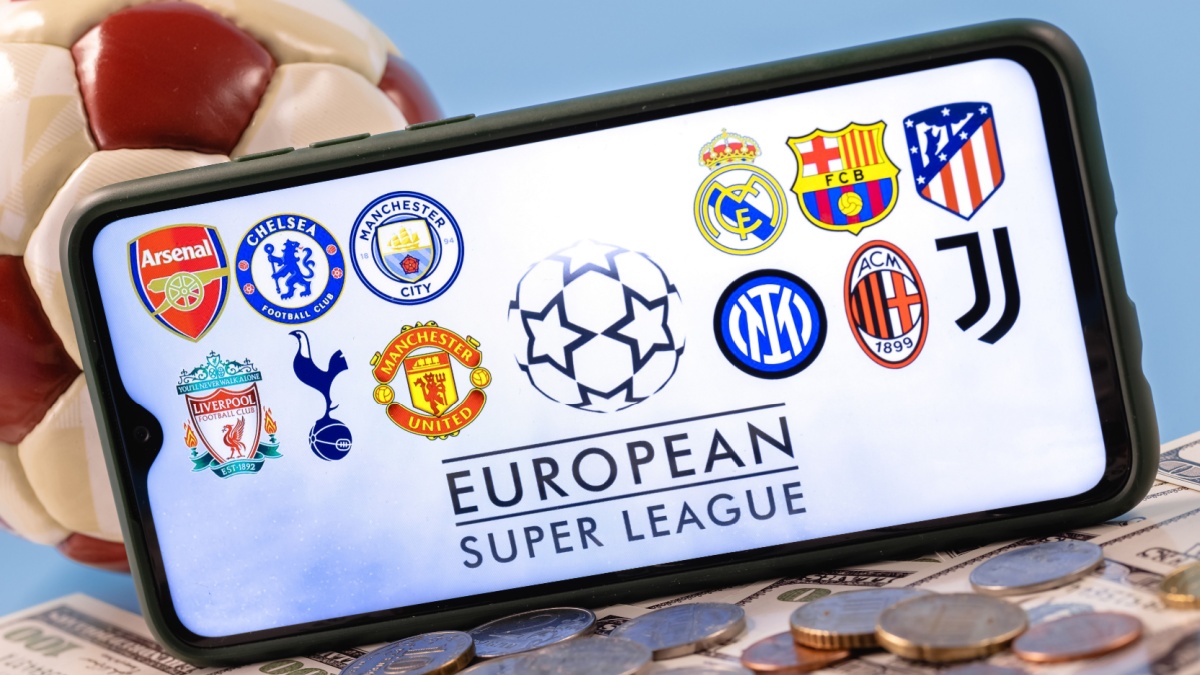
Today, everything from fans protesting over ticket price increases, all the way to the European Super League initiative, which will no doubt rear its ugly head again soon enough, points to a disconnect between the fans and club hierarchies.
And we see that too in shirt sponsors: I doubt Snapdragon – a brand of system-on-chip from semiconductor and telecommunications company Qualcomm, that currently adorns the front of Manchester United’s shirts – is of any consequence to those sitting in the Stretford End. The sponsors of that 90s and 2000s period, however, were of far more relevance to supporters, especially local supporters. JVC (Arsenal), Carlsberg (Liverpool), Autoglass (Chelsea) – all promoted products and services fans might actually use.
These sponsors were also cultural touchstones, part of the era’s broader aesthetic and emotional memory. They aligned with music, fashion, and even local pride. That kind of resonance is hard to buy and even harder to manufacture retroactively.
Today, fans are more brand-savvy and culture-conscious than ever. The backlash against gambling and crypto sponsors (77% of fans, according to YouGov, see gambling companies as inappropriate sponsors) isn’t just a moral movement, but also stems from a desire for authenticity and to see the clubs they support align with their values.
Partnering with brands the supporters like and identify with is one thing, but the best shirt sponsorships can also strengthen the club’s own brand. Take FC Barcelona and UNICEF’s collaboration in the 2000s. It was a branding match made in heaven, the perfect embodiment of the Spanish giant’s “more than a club” ethos. It was also a strategic masterstroke. For years, the Barcelona shirt bucked the trend of having no sponsors. To have their first “sponsor” be a charitable organisation, “eased” fans into this change.
Choosing the right sponsor in this era of football can only be done by having a close eye on fan culture, and particularly the subcultures all over the world that have become increasingly visible thanks to social media. Smart sponsors should be looking to co-create, rather than clutter, fan culture.
FC Barcelona, again, is a great example of how to do this. The club’s deal with Spotify is perfect for a front-of-shirt sponsorship: a minimalist, instantly recognisable logo that adds to the aesthetic design of their kits. Using artist collaborations for derby fixtures – branding Barcelona’s kits with the logos of the Rolling Stones, Travis Scott and others – creates something unique, fresh and that chimes with the cornerstones of football fandom: culture, identity and community. These kits give fans something to collect and bond over, not just wear to the games.
image credit: Maxisport / Shutterstock.com
Relevance by design
Aesthetics remain a key determinant for success in translating a front-of-shirt sponsor into a brand experience that drives loyalty and cultural impact for both the sponsor and the club.
Design matters. AON’s logo, while unrelated to fans’ lives (it’s an insurance consultancy firm if you’re interested), still looked sharp on a winning Manchester United side. That visual credibility can go a long way. But the truly iconic partnerships? They combine aesthetics with cultural currency.
Atletico Madrid’s Spider-Man kit, or Fiorentina’s Nintendo shirts aren’t just remembered because they looked good. They spoke to something wider. They became part of football folklore, crossing over into streetwear, pop culture, and collective memory. Sponsors and clubs should be looking to make an enduring impact. Being visually striking is vital, but the collaborations that live longest in the memory are the ones that are embedded in culture as well.
Today, shirts are no longer just sportswear; they’re content, fashion, statements. They get shared, collected, and worn on the street. And in that context, sponsorship becomes part of the club’s brand system. Pick the right one, and you are going to be building greater loyalty, as well as broader cultural reach.
The fabric of the game
Football clubs are increasingly treating their offering as broader than what happens on the pitch; they see themselves as all-encompassing entertainment providers, where fan experience and engagement matter more than ever.
That means front-of-shirt sponsors can no longer just be about the money they generate. Kits are more than a commercial space: they are symbols of club identity, history and fan connection. Done right, they are an integral part of the club’s brand and an opportunity to bring fans in as well as revenue.
The best shirt sponsors are the ones that add to the meaning of the badge stitched beside them. That’s one thing you can bet on.



Designit: Choosing the right Premier League sponsor to connect to the club’s soul
You’ve shared it!
There is an upcoming void coming to the Premier League sponsorship market, as the ban on gambling front-of-shirt sponsorship comes into effect at the start of the 2026/27 season.
Nick LaManna, Brand Strategy at Designit, writes for Insider Sport on the opportunity this will create for Premier League club’s to re-strategise their approach to sponsorship, no longer looking for quick-fix financial incentives, but rather a throwback to iconic, meaningful sponsors of the past.
LaManna, reflects on the iconic Premier League shirt sponsors of 90s and 2000s and calls on clubs to begin to cultivate similar partnerships with companies that not only strike a resemblance with the clubs ethos, but foster a meaningful relationship that will also connect with its fans.
What a football club wears on the front of its shirt matters. Shirts are more than just kits – they are a canvas for culture. For shared identity. For sparking memories of glorious victories, or brave defeats.
So when the Premier League’s front-of-shirt ban for gambling firms finally comes into play in the 2026/7 season, it will mark a watershed moment. It could wipe out £126m in annual revenue from 11 clubs alone – but this isn’t just about lost revenue.
Front-of-shirt sponsors have long been more than income streams. They are symbols of club identity, fan connection, and cultural relevance. The boom in vintage football shirt popularity owes as much to the “old school” sponsors on the kit as to the badge on the chest.
As clubs’ commercial teams scout for the next wave of partners, likely tech, trading, and crypto firms, they should think twice before jumping into deals with the highest bidder. In fact, this is an opportunity for football clubs to rewrite the rulebook of brand sponsorship, to partner with culturally relevant brands that fans resonate with. In doing so, strengthening their own brand identity and values.
From monetisation to meaning
Money’s influence on the beautiful game is more significant now than it ever has been. Money has been pumped into English football at an ever-increasing rate since the advent of the Premier League in the 1992/93 season, a league created due to commercial factors. In a bid to create a more financially stable environment for clubs, the league has enforced Profit and Sustainability Rules (PSR).
And in this current climate, where filling up club purses can be a huge advantage, there is a temptation to pick any old shirt sponsor on a short-term deal and squeeze that partnership for every last drop of revenue. It could make all the difference when it comes to signing (or not signing) that striker.
But short-termism comes at a cost. Sponsors that don’t speak to the people in the stands weaken the very narrative that drives long-term loyalty and value.
The kits that football fans get misty-eyed about are mostly from the noughties and 90s. The romance of that “prime Barclays” era is born out of a few factors, one of which is the iconic players associated with it – Thierry Henry, Wayne Rooney, Mile Jedinak (ok, maybe not that last one).
A more aggressive, direct style of play, perhaps, comes into it too, but fundamentally, we love that era of the Premier League because football and the surrounding culture still felt very much like it belonged to the people. The same can be said of the 90s when David Beckham and Eric Cantona became icons while having a huge cultural impact off the pitch.
Today, everything from fans protesting over ticket price increases, all the way to the European Super League initiative, which will no doubt rear its ugly head again soon enough, points to a disconnect between the fans and club hierarchies.
And we see that too in shirt sponsors: I doubt Snapdragon – a brand of system-on-chip from semiconductor and telecommunications company Qualcomm, that currently adorns the front of Manchester United’s shirts – is of any consequence to those sitting in the Stretford End. The sponsors of that 90s and 2000s period, however, were of far more relevance to supporters, especially local supporters. JVC (Arsenal), Carlsberg (Liverpool), Autoglass (Chelsea) – all promoted products and services fans might actually use.
These sponsors were also cultural touchstones, part of the era’s broader aesthetic and emotional memory. They aligned with music, fashion, and even local pride. That kind of resonance is hard to buy and even harder to manufacture retroactively.
Today, fans are more brand-savvy and culture-conscious than ever. The backlash against gambling and crypto sponsors (77% of fans, according to YouGov, see gambling companies as inappropriate sponsors) isn’t just a moral movement, but also stems from a desire for authenticity and to see the clubs they support align with their values.
Sponsors as brand collaborators
Partnering with brands the supporters like and identify with is one thing, but the best shirt sponsorships can also strengthen the club’s own brand. Take FC Barcelona and UNICEF’s collaboration in the 2000s. It was a branding match made in heaven, the perfect embodiment of the Spanish giant’s “more than a club” ethos. It was also a strategic masterstroke. For years, the Barcelona shirt bucked the trend of having no sponsors. To have their first “sponsor” be a charitable organisation, “eased” fans into this change.
Choosing the right sponsor in this era of football can only be done by having a close eye on fan culture, and particularly the subcultures all over the world that have become increasingly visible thanks to social media. Smart sponsors should be looking to co-create, rather than clutter, fan culture.
FC Barcelona, again, is a great example of how to do this. The club’s deal with Spotify is perfect for a front-of-shirt sponsorship: a minimalist, instantly recognisable logo that adds to the aesthetic design of their kits. Using artist collaborations for derby fixtures – branding Barcelona’s kits with the logos of the Rolling Stones, Travis Scott and others – creates something unique, fresh and that chimes with the cornerstones of football fandom: culture, identity and community. These kits give fans something to collect and bond over, not just wear to the games.
Relevance by design
Aesthetics remain a key determinant for success in translating a front-of-shirt sponsor into a brand experience that drives loyalty and cultural impact for both the sponsor and the club.
Design matters. AON’s logo, while unrelated to fans’ lives (it’s an insurance consultancy firm if you’re interested), still looked sharp on a winning Manchester United side. That visual credibility can go a long way. But the truly iconic partnerships? They combine aesthetics with cultural currency.
Atletico Madrid’s Spider-Man kit, or Fiorentina’s Nintendo shirts aren’t just remembered because they looked good. They spoke to something wider. They became part of football folklore, crossing over into streetwear, pop culture, and collective memory. Sponsors and clubs should be looking to make an enduring impact. Being visually striking is vital, but the collaborations that live longest in the memory are the ones that are embedded in culture as well.
Today, shirts are no longer just sportswear; they’re content, fashion, statements. They get shared, collected, and worn on the street. And in that context, sponsorship becomes part of the club’s brand system. Pick the right one, and you are going to be building greater loyalty, as well as broader cultural reach.
The fabric of the game
Football clubs are increasingly treating their offering as broader than what happens on the pitch; they see themselves as all-encompassing entertainment providers, where fan experience and engagement matter more than ever.
That means front-of-shirt sponsors can no longer just be about the money they generate. Kits are more than a commercial space: they are symbols of club identity, history and fan connection. Done right, they are an integral part of the club’s brand and an opportunity to bring fans in as well as revenue.
The best shirt sponsors are the ones that add to the meaning of the badge stitched beside them. That’s one thing you can bet on.