


The Commonwealth Games’ move from the BBC to TNT Sports is yet another example of rights holders prioritising commercial certainty over free-to-air reach
The Commonwealth Games will move behind a paywall in the UK for the first time, after Warner Bros. Discovery secured exclusive live broadcast rights for Glasgow 2026.
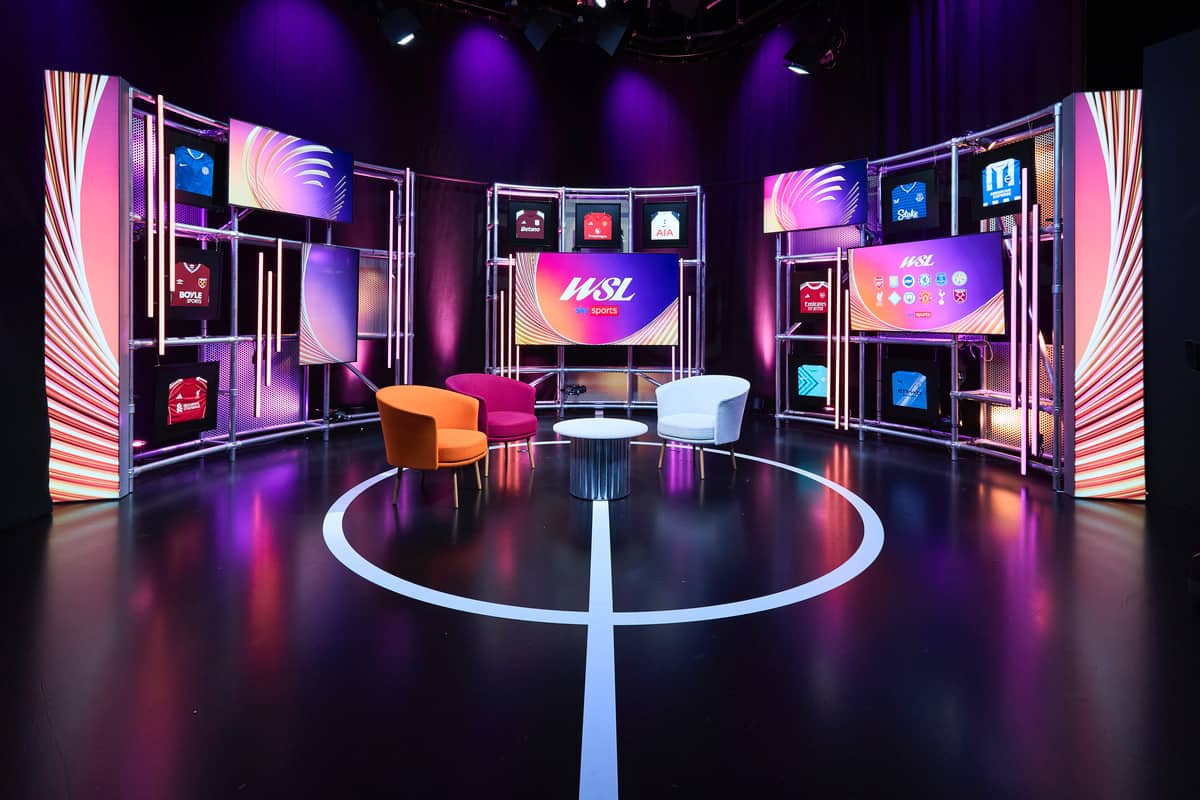
Under the agreement, TNT Sports will act as the UK and Ireland’s live broadcast partner, distributing more than 600 hours of coverage, with every sport and event also available to stream on HBO Max following its UK launch in March 2026.
Katie Sadleir, CEO of Commonwealth Sport, described the deal as a “landmark moment” for the event, highlighting the broadcaster’s Olympic experience.
“With a heavyweight broadcast partner like Warner Bros. Discovery onboard across the UK and Europe for Glasgow 2026 and the recent decision to award the 2030 Commonwealth Games to India, alongside strong interest for 2034, the future of our Movement has never been more secure,” Sadleir said.
Warner Bros. Discovery Sports Europe EVP Scott Young added the company would bring “comprehensive, immersive and accessible” coverage to the Games, promising a stronger focus on athlete storytelling and full-event visibility across its platforms.
The deal continues the broadcaster’s push to position TNT Sports and HBO Max as multi-sport destinations, following its coverage of the Paris 2024 Olympic Games and its partnership with the International Olympic Committee through to Brisbane 2032.
End of a 70-year free-to-air era
While the organisers say the partnership offers growth and financial support, it also brings an end to the BBC’s association with the competition.
After more than 70 years as the home of the Commonwealth Games, the BBC was outbid by TNT Sports for the 2026 Glasgow edition, ending a run dating back to 1954, during which the broadcaster aired 18 consecutive Games.
The BBC confirmed it “was unable to match” Warner Bros. Discovery’s offer, adding to the trend of free-to-air broadcasters losing out due to rising rights fees and smaller budgets from public funding.
One of the most prominent examples of the BBC struggling to maintain rights is the FA Cup, though the broadcaster will still show 14 matches per season, including the final. However, it only held onto the tournament due to TNT Sports agreeing to share rights.
Commonwealth Sport has faced a lot of criticism for putting the competition behind a pay wall but it’s perhaps not surprising when taking into account the organisation’s financial challenges in recent years.
Financial concerns escalated in 2023 when Melbourne pulled out as host of the 2026 Games, with the Victorian government stating its AUS$2.6bn ($1.72bn) budget was insufficient to meet projected costs of AUS$6bn to AUS$7bn.
Glasgow stepped in after months of uncertainty, backed by a commitment from the Commonwealth Games Federation to invest £100m ($134.3m) into the event and an agreement that the Games would not require financial underwriting from either the Scottish or UK governments.
Commonwealth Games Federation President Chris Jenkins said at the time the objective was to “reset and reframe the Commonwealth Games as a co-created, sustainable model that minimises costs.”
The move to a subscription broadcaster may fit within this broader reset, as TNT Sports’ promise of more coverage means sports such as athletics, swimming and Para events will receive more live exposure than they traditionally have under free-to-air schedules.