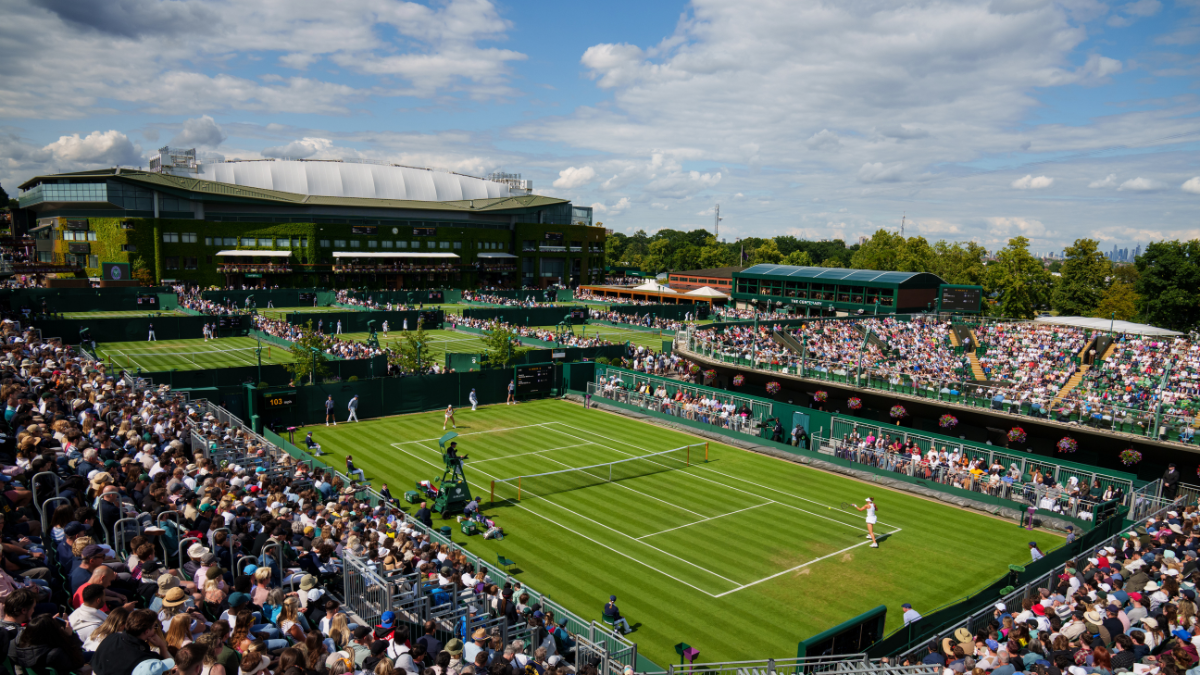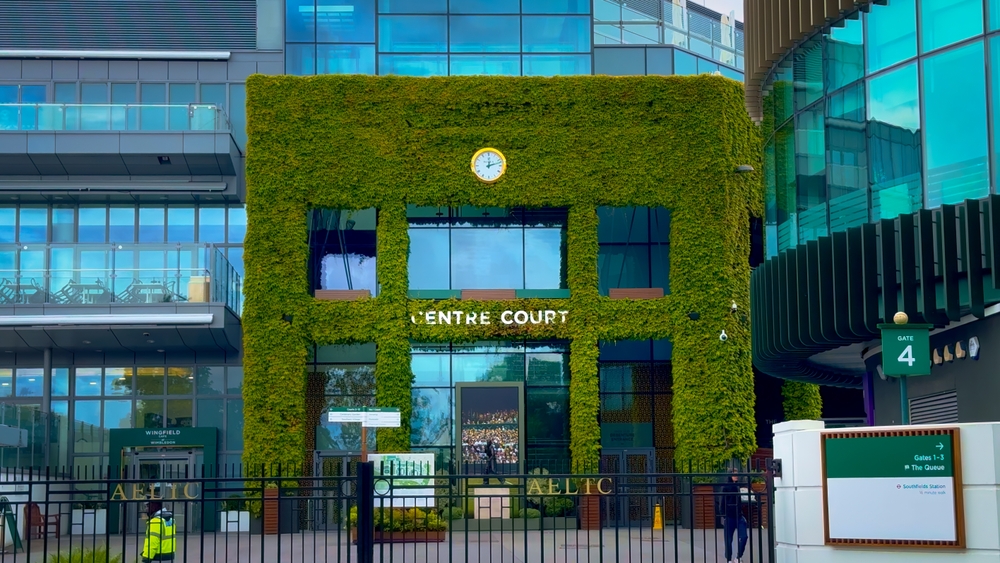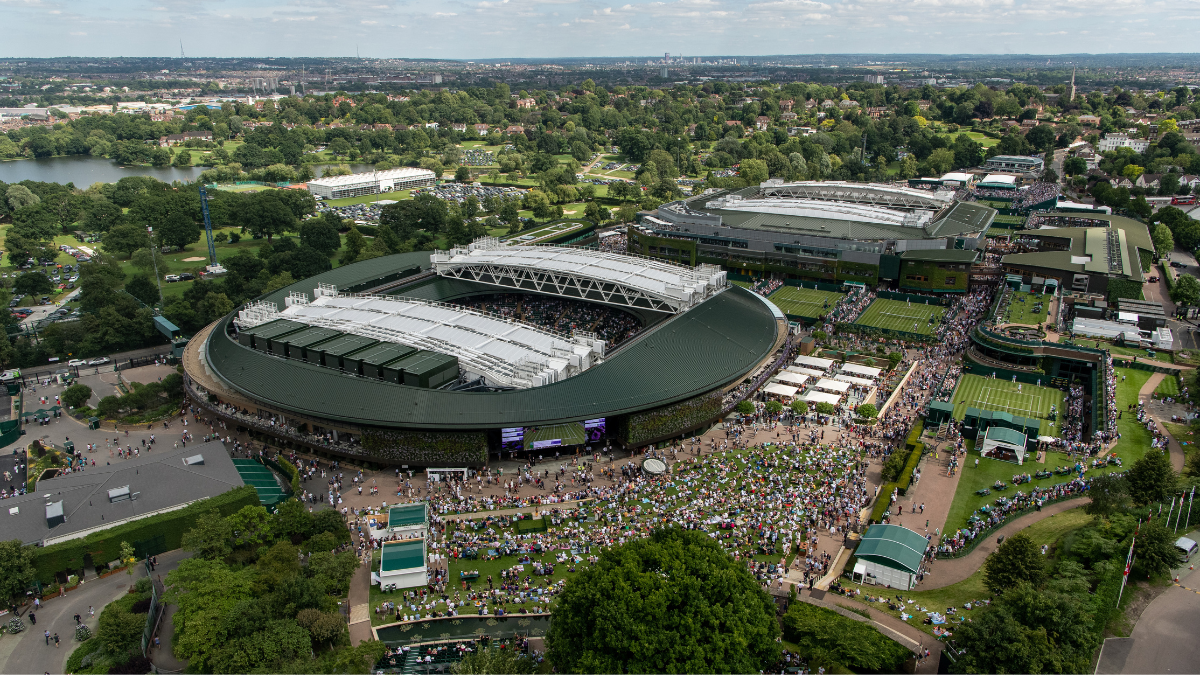



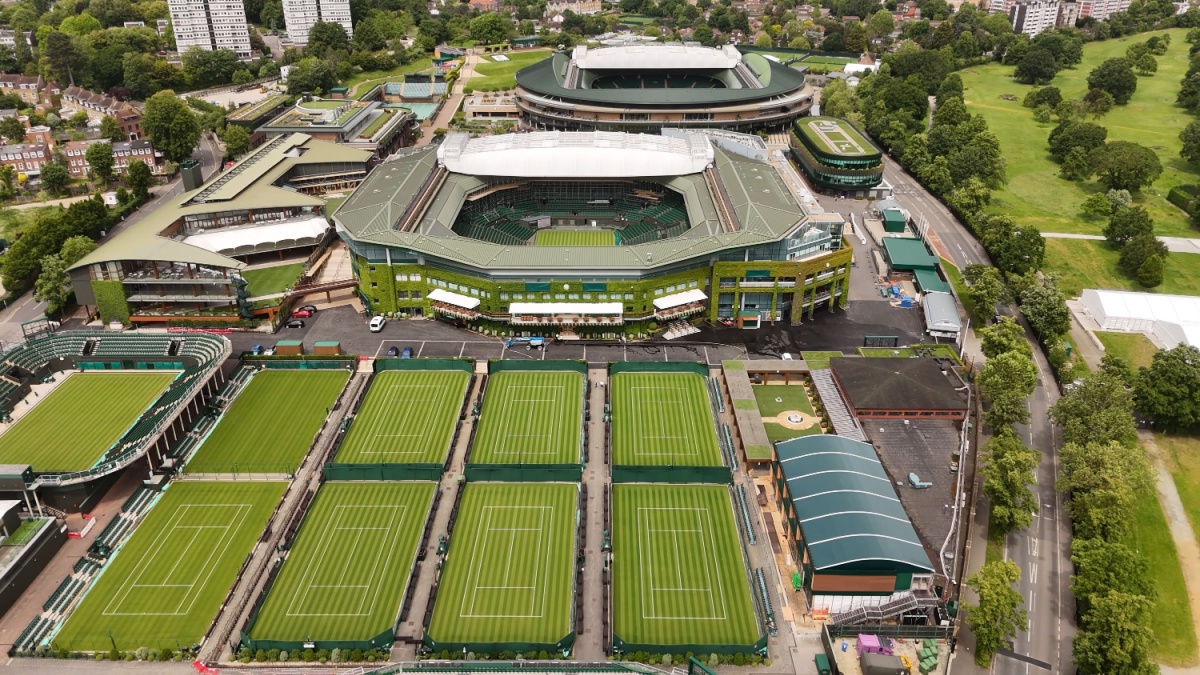
Wimbledon host, The All England Club, has cleared a major legal hurdle in its plans to build 28 new courts and a public park, after a judge ruled Victorian-era recreation law does not apply to golf course land
The All England Lawn Tennis Club (AELTC) has won a High Court ruling which clears the way for its planned expansion at Wimbledon, after a judge found the former Wimbledon Park Golf Club site is not subject to a statutory public recreation trust.
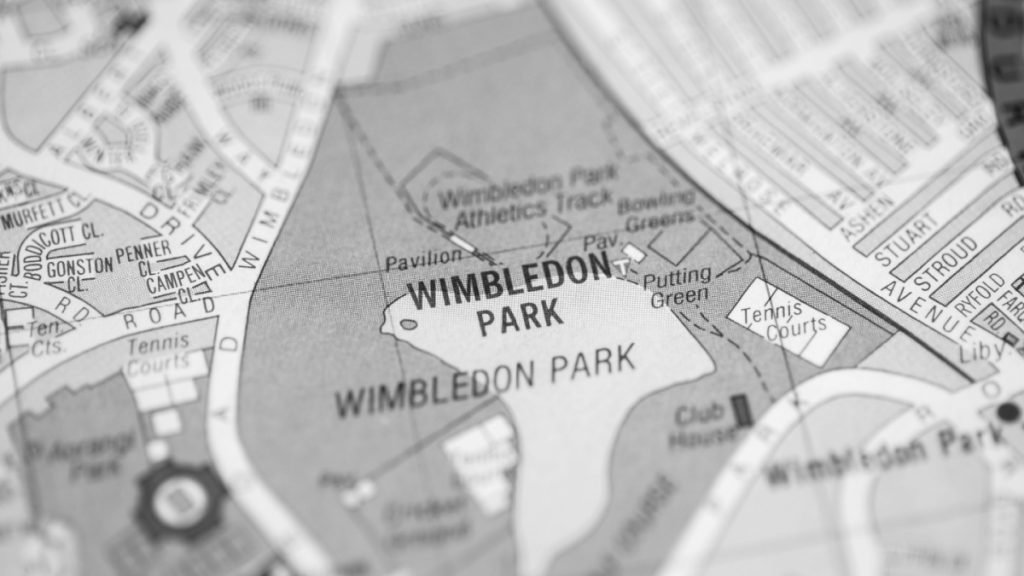
The claim was brought by the All England Lawn Tennis Ground, the property subsidiary of the All England Club and host of Wimbledon, which owns the 73-acre site across Church Road from the existing club.
Justice Nicholas Thompsell‘s judgment, handed down on 19 March, means the club can pursue its plans for 28 new grass courts, a show court, and a 9.4-hectare public park on the former golf course.
These proposals have been challenged by Save Wimbledon Park (SWP), a company formed by local residents opposed to the development.
A century of private use
SWP’s case rested on section 164 of the Public Health Act 1875, under which land held by a local authority for public recreation becomes subject to a statutory trust, effectively preventing private development.
The group argued that when London’s local government was reorganised in the 1960s and the land transferred to the London Borough of Merton, it had inadvertently become bound by that legislation, even though it had operated as a private members’ golf club since before the First World War.
Justice Thompsell rejected this argument, however. He found the former golf club site had never at any point been appropriated or dedicated to public use.
The previously named Wimbledon Corporation, which acquired the wider Wimbledon Park Estate in 1915, had kept the site fenced off and leased to the Golf Club throughout its ownership, while separately laying out the adjacent parkland for public recreation.
The judge also found that the reorganisation of London’s local government in the 1960s was designed to transfer existing functions between authorities rather than alter the basis on which land was held.
The site had been used as “a private golf club and not for the purposes of public recreation” from the moment it was acquired.
The trust that never arose
SWP also relied on a 2023 Supreme Court ruling – Day v Shropshire Council – which established that moving land out of local authority ownership does not automatically extinguish an existing public recreational trust.
But Justice Thompsell found the cases were not comparable because in Day, a trust had existed at the point of sale. On the former Wimbledon Park Golf Club site, one had never come into being at all.
A statutory trust, he found, only arises once land has actually been laid out and made available for public use.
Because that never happened, there were no public rights over the site and nothing capable of binding the All England Club when its property subsidiary purchased the freehold from LB Merton in 1993.
“Land that had never been appropriated or designated for the purposes of public enjoyment,” the judge held, “could be sold without imposing onto the purchaser a public trust where one had never before existed.”
The ruling does not fully bring the matter to a close; the SWP has mounted a separate challenge against the Greater London Authority‘s decision to approve planning permission for the development, with an appeal on one remaining ground still pending.
Restrictive covenants in favour of LB Merton will also need to be resolved before construction can begin.
Nonetheless, the judgment removes the most legally complex barrier the project has faced since the All England Club acquired the lease from Wimbledon Park Golf Club’s members for £65m ($86.9m) in 2018.