


High Court upholds All England Club’s controversial expansion plans, but questions over land rights, local trust, and delivery remain
On July 21, Justice Saini dismissed a legal challenge to one of the most ambitious and contested projects in UK sport: the All England Lawn Tennis Club’s (AELTC) plans to redevelop Wimbledon Park Golf Course.
The ruling concludes the judicial review stage of a four-year legal and planning saga, but with separate land ownership issues still pending and campaigners seeking appeal, the path to ground-breaking remains far from clear.
The long road to redevelopment
2018–2021: Land acquisition and long-term vision
AELTC’s £65m acquisition of the Wimbledon Park Golf Club lease in 2018 was the first move in a strategic bid to future-proof the Wimbledon Championships. The goal was to bring qualifying rounds on-site, matching standards set by other Grand Slams. By 2021, AELTC had also secured the freehold from Merton Council, setting the stage for a large-scale development on 39.7 hectares—roughly the size of 50 football pitches.
2021–2023: Local resistance gathers momentum
The project met immediate backlash. The land, designated as Metropolitan Open Land (MOL), part of a Grade II* listed historic landscape, and protected under restrictive covenants, became a flashpoint for local and environmental concerns. Save Wimbledon Park Ltd (SWP), a resident-led campaign group, emerged to challenge the loss of green space, claiming the plans violated public recreation rights dating back to the Wimbledon Corporation Act 1914.
2024: Planning approval amid split councils
In 2024, Merton approved the project; neighbouring Wandsworth rejected it. The Greater London Authority (GLA) “called in” the decision, and in November 2024, Deputy Mayor Jules Pipe approved the plan, citing “very special circumstances” (VSCs). These included a £336 million projected annual economic uplift, enhanced biodiversity, and a net gain in public park access.

The High Court verdict: planning permission upheld
On 21 July 2025, the High Court rejected SWP’s three grounds for judicial review:
- That the GLA had failed to properly consider the land’s status under a statutory public trust and restrictive covenants;
- That the Club’s past management had caused “deliberate damage” to a heritage asset;
- And that the proposed private tennis complex conflicted with planning policy around public sport and recreation provision.
Saini found that while the land may be subject to significant legal constraints, it was lawful for the GLA to assess the scheme based on planning merits, assuming future obstacles could be resolved.
He ruled that the GLA acted rationally in deciding that the scheme’s benefits were “not time-sensitive,” and therefore did not need to weigh legal impediments heavily in its balance.
“The proposal would provide significant benefits… clearly outweigh[ing] the harm identified in relation to MOL, open space and heritage,” the Deputy Mayor had concluded—a view the court ultimately upheld.
Appeal incoming
SWP responded with disappointment and signalled its intention to seek permission to appeal. The group contends that the GLA made a “significant legal error” by downplaying the statutory trust and covenants, which they argue make the approved plans undeliverable.
“The AELTC have conceded that their proposed development is incompatible with the statutory public recreation trust,” SWP said in a bulletin published on July 21. “The restrictive covenants remain firmly in place… Merton remain silent on the question of whether they intend to enforce the covenants, or not.”
A separate case in the Chancery Division, due in January 2026, will determine whether the statutory trust still binds the land. Until then, uncertainty remains over the legal title and deliverability of the site.
The business of Wimbledon
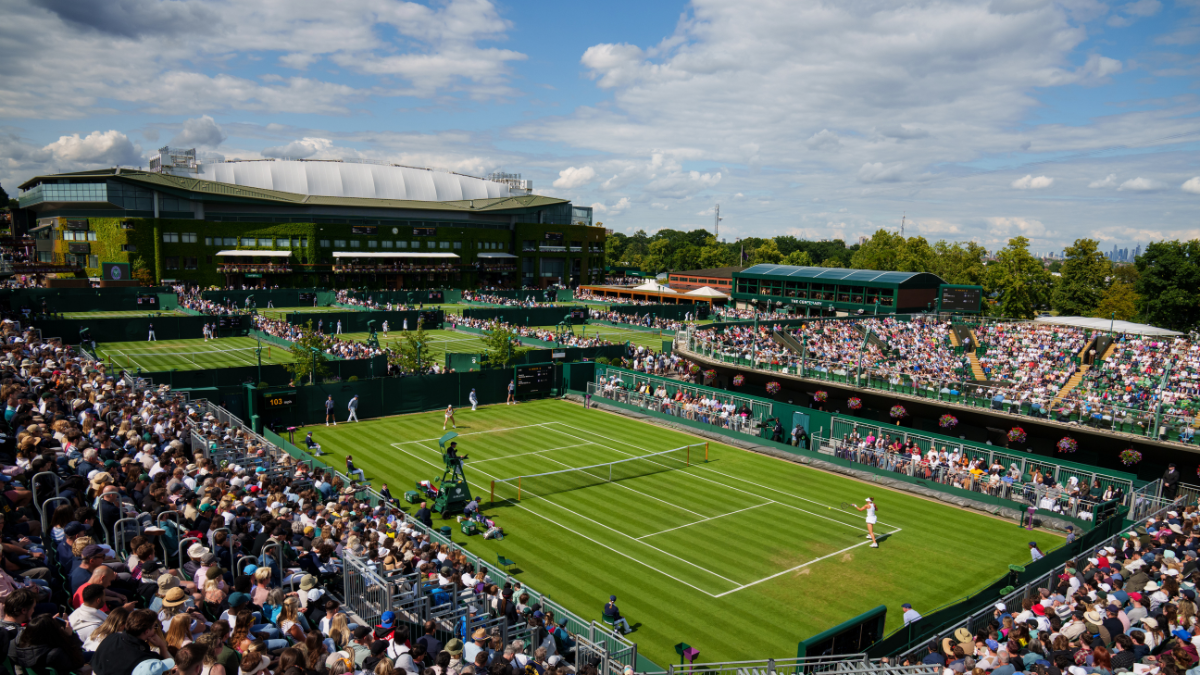
Wimbledon remains the only Grand Slam that hosts qualifying off-site, at the Bank of England’s Roehampton grounds.
In an increasingly commercial tennis landscape, the Club has stressed that maintaining its place atop the sport requires integrated infrastructure, more courts, and new hospitality offerings.
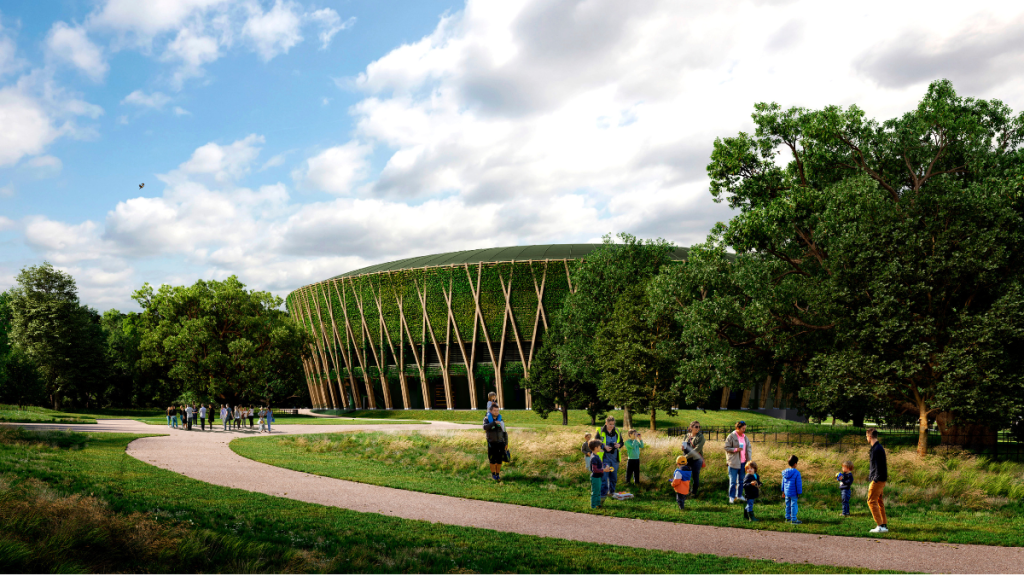
The proposed site includes 38 new grass courts and an 8,000-seat show court. Also central to the VSC case is the creation of 11.1 hectares of managed parkland, improved access around Wimbledon Park Lake, and a £10.7m community contribution.
But critics say this comes at the cost of long-standing public protections. SWP warned that “if it stands, this judgment may set a worrying precedent for the unwanted development of protected green belt and public open spaces around London and across the country.”
While AELTC holds planning permission, it cannot yet proceed with development. The Club must navigate unresolved legal barriers, most notably, the restrictive covenants tied to Merton Council and the statutory trust status still under litigation.
The planning fight may be over, but the land rights battle is just beginning.