


A controversy over chalk at the World Snooker Championships has highlighted deeper tensions around performance and regulation.
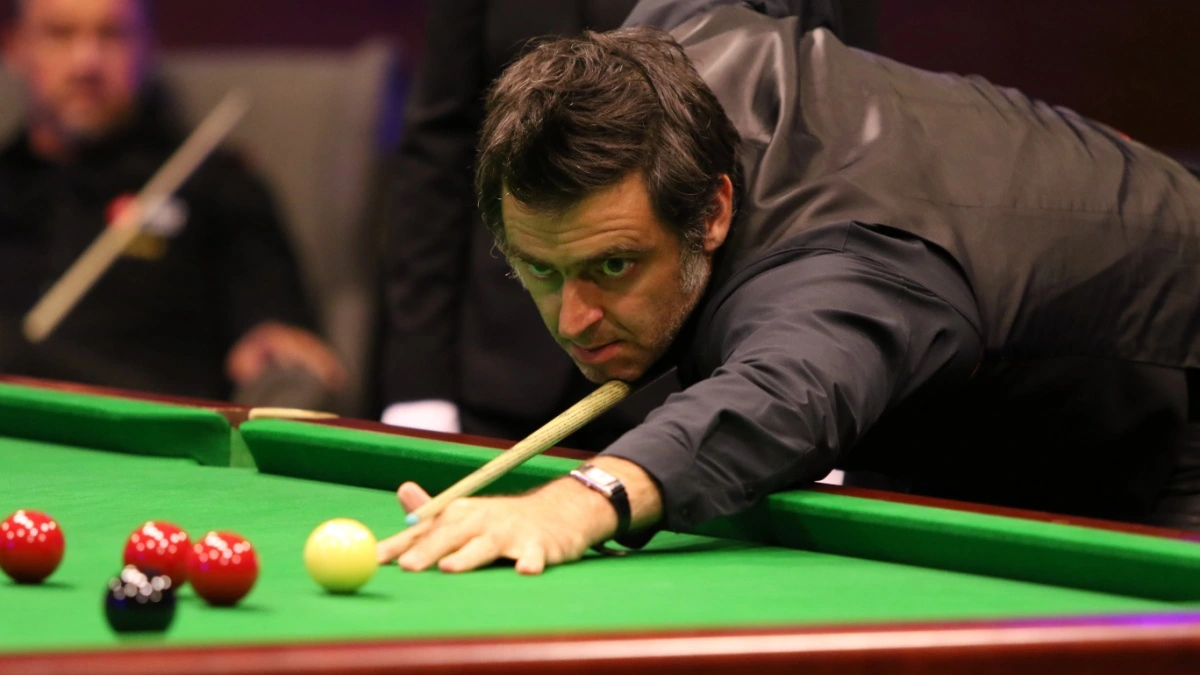
Snooker player Ronnie O’Sullivan has found himself in the middle of a controversy at the World Snooker Championship.
The issue, named “chalkgate”, is in relation to O’Sullivan’s use of Triangle Chalk, an older product that leaves visible residue on the table and has been linked by some players to inconsistent ball contact during matches.
The majority of professional players have started to use modern alternatives, such as Taom Chalk, which is designed to reduce marks on the cloth and limit the risk of “kicks”, unpredictable deflections caused by debris between the cue ball and object ball.
While the choice of chalk is not currently regulated, issues during matches at the Crucible have led to calls from players to start to do so, particularly as O’Sullivan is one of only a few professional players still using the older product.
Players question competitive impact
Several players at the World Snooker Championship have publicly questioned whether the use of traditional chalk creates an uneven playing field.
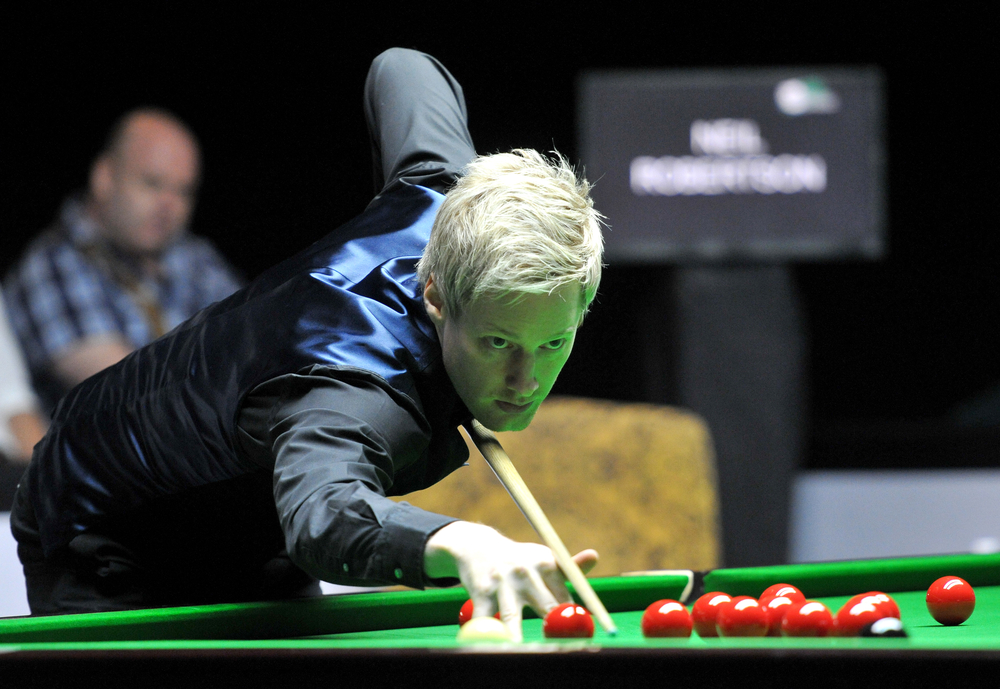
Neil Robertson has called for the chalk to be banned and argued that its impact isn’t just about how it leaves the table looking a mess.
“It destroys the game,” Robertson said, referring to the frequency of kicks and the visible effect on the table.

John Higgins, who beat O’Sullivan at the tournament, shared those concerns, suggesting the issue is not necessarily about intent.
“It just messes the table up,” Higgins said, describing the experience as “like going back in time playing” compared to newer equipment.
There is recognition that O’Sullivan’s decision may also be linked to performance, with Higgins suggesting that the seven-time world champion’s superior cue ball control allows him to manage conditions differently, potentially turning what is a disadvantage for others into a slight advantage.
However, O’Sullivan, under current rules, is allowed to use Triangle Chalk until regulators intervene.
Technology and the integrity question
In sports such as athletics, equipment has come under a lot of scrutiny, particularly following recent discussions around performance-enhancing footwear at events.
Last week, the London Marathon saw several record‑breaking runs, including times under the two‑hour barrier. The performances were celebrated, but also led to questions about whether athletes are genuinely getting faster or whether technology is creating the impression of progress.
However, Snooker is rarely mentioned in these conversations, as it is a traditional sport relatively untouched by new technology. There have been developments in cues, tables and accessories generally focused on consistency, but not many changes that lead to significant performance gains.
What makes the chalk problem interesting is that rather than enhancing performance, the concern is that certain equipment choices could negatively affect playing conditions for others.
Insider Sport has contacted the World Professional Billiards and Snooker Association to find out if there are any plans to address the request.