Days after the inaugural Enhanced Games concluded in Las Vegas, organisers are attempting to shift the conversation from anti-doping controversy and mixed sporting results towards sponsor demand, audience reach and long-term commercial viability.
Just days after the inaugural Enhanced Games concluded in Las Vegas, organisers are already attempting to reposition the project from a controversial sporting experiment into what they describe as a commercially viable sports and entertainment property.
Enhanced, the company behind the Games, announced on May 26 that it had secured more than $32m in aggregate sponsorship deal value tied to the inaugural event and its wider commercial ecosystem.
The figure includes partnerships with companies such as Roku, Rumble, Rezolve AI, Public and ZOOP, as well as additional agreements across health, technology and lifestyle sectors. However, the company also acknowledged within the release that “sponsorship deal value” should not be interpreted as recognised revenue under US GAAP accounting standards.
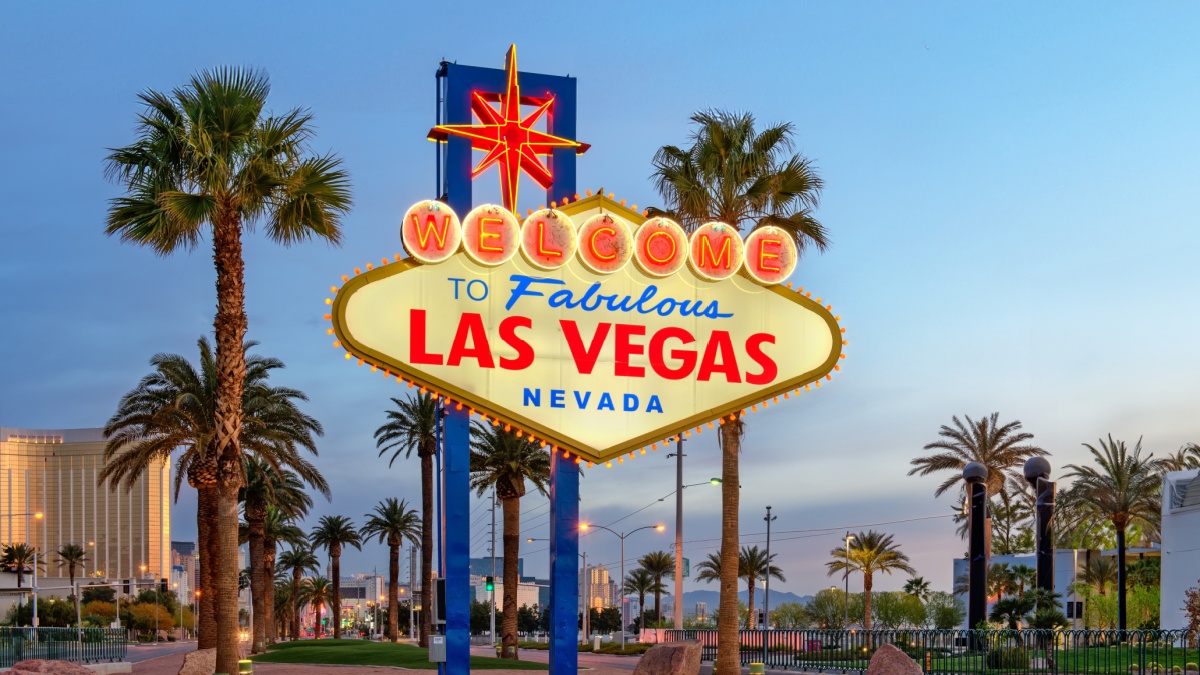
The inaugural Enhanced Games took place at Resorts World Las Vegas across 23-24 May, with organisers positioning the event as an alternative elite sporting competition built around medically supervised performance enhancement and athlete autonomy.
Founded by Aron D’Souza, the project has faced sustained criticism from anti-doping organisations and governing bodies since its launch was first announced. Critics have accused the Games of undermining the integrity and safety of elite sport, while organisers argue they are modernising a system they believe already tolerates widespread enhancement behind closed doors.
Despite the backlash, the commercial profile of the event has continued to grow.
According to Enhanced, the Games were streamed free across the Roku Sports Channel throughout North America, alongside distribution on platforms including Rumble, YouTube and X. The company also claimed more than 181 creators and streamers covered the event during the weekend.
Several of the partnerships announced ahead of the event extended beyond traditional sponsorship inventory.
Rezolve AI, for example, is helping develop the company’s “Live Enhanced” direct-to-consumer platform, while Public was named the official brokerage and investment partner of the Games.
A new business model for a new games
The approach reflects a business model Insider Sport previously explored ahead of the Games’ debut, where the competition itself acts as part sporting event, part media vehicle and part marketing funnel for performance-health and wellness products.
Rather than relying solely on traditional sports revenues such as ticket sales and media rights, Enhanced has positioned itself around audience attention, consumer products, creator distribution and performance-focused health technologies.
This strategy may also help explain why the company’s latest announcement focuses heavily on commercial traction rather than the sporting outcomes themselves.
While the Games succeeded in generating online attention and controversy, the actual competitive results fell short of some of the transformational rhetoric that had surrounded the project.
Attendance at the purpose-built Las Vegas venue was reportedly around 2,500, while livestreams peaked at approximately 60,000 viewers during the final day, according to previous Insider Sport reporting.
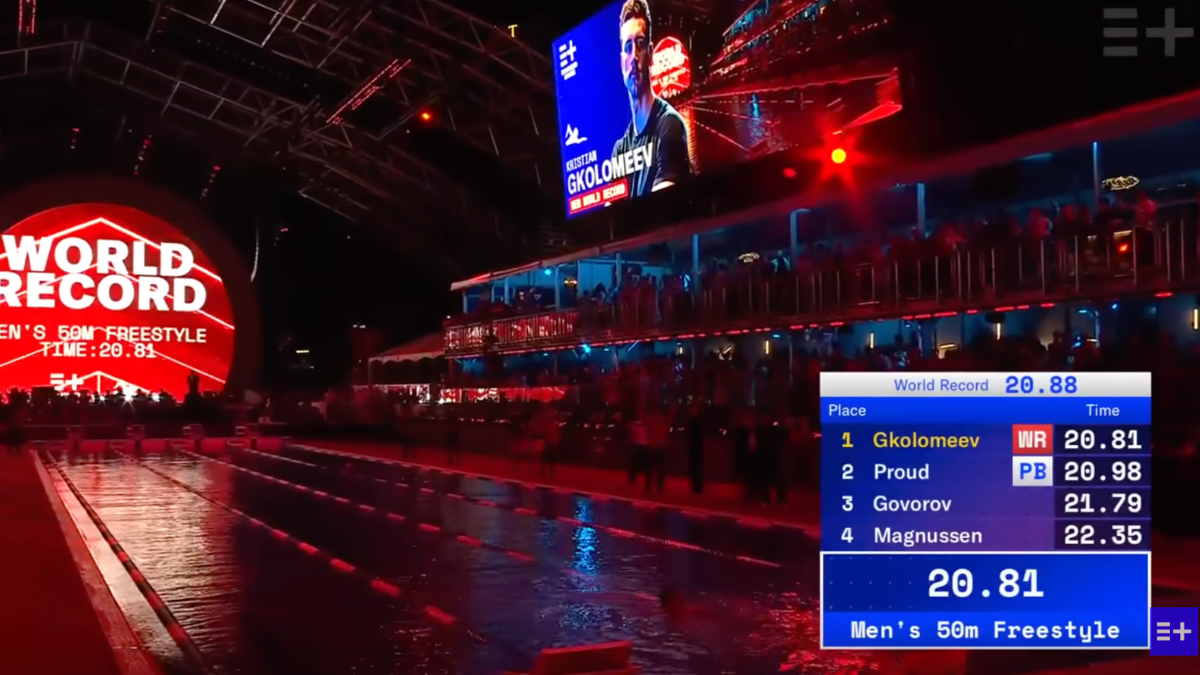
Only one world record was broken across the weekend, achieved by Greek swimmer Kristian Gkolomeev in the 50m freestyle. Notably, Gkolomeev competed without performance-enhancing drugs, despite the event’s central premise being built around enhanced athletic performance.
US sprinter Fred Kerley, one of the event’s headline names, also fell well short of challenging Usain Bolt’s 100m world record after previously suggesting he could threaten the mark at the Games.
Nevertheless, the company believes the inaugural event has created momentum heading into future editions.
In the latest announcement, Enhanced CEO Maximilian Martin described the Games as “a new accessible category of live sport” and claimed the inaugural sponsorship total was “not a ceiling” but “a starting point”.
The company added that discussions are ongoing with additional brands across sectors including performance nutrition, health technology, apparel and financial services.
One and done?
Questions around legitimacy, however, remain unresolved.
World Aquatics previously introduced eligibility rules threatening lifetime bans for athletes or officials involved in competitions “embrace scientific enhancements”, while the World Anti-Doping Agency (WADA) warned athletes they risk anti-doping violations and long-term reputational damage by participating.
Enhanced itself also filed an $800m antitrust lawsuit against World Aquatics, USA Swimming and WADA last year, accusing sporting bodies of attempting to protect monopolistic control over elite competition. The case was later dismissed by a US federal judge.
For now, the Enhanced Games remains one of the most divisive projects in global sport. Yet whether traditional governing bodies approve of the concept or not, the organisation’s growing list of sponsors and media partners suggests parts of the sports and entertainment industry are willing to test whether controversy itself can become a commercially sustainable business model.